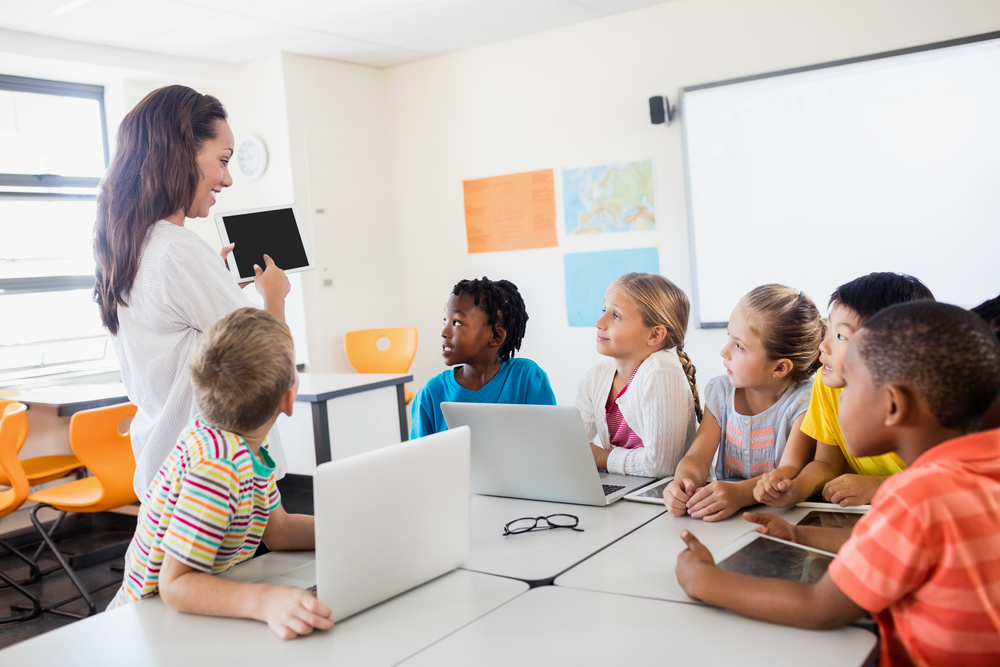
Investing in technology for education purposes is a smart move that schools and educational institutions are making. In today’s digital age, where everything is becoming more automated and connected, integrating technology into the classroom can help enhance learning experiences for students of all ages.
One of the primary benefits of investing in technology for education purposes is that it allows teachers to create interactive and engaging lessons. With tools such as interactive whiteboards, tablets, and laptops, teachers can incorporate multimedia elements like videos, images, and animations into their lessons. This makes learning more interesting and helps students retain information better since they are actively engaged in the process.
Another significant advantage of using technology in the classroom is that it provides personalized learning opportunities to students. Adaptive software programs can tailor materials to an individual student’s level of understanding based on their responses to questions or activities. This means that each student can learn at their own pace without feeling overwhelmed or bored by material that is either too easy or too difficult.
Online collaboration tools like Google Docs make group projects easier by allowing multiple users to work on documents simultaneously from different locations. This feature saves time and increases productivity while still giving students the chance to collaborate with peers.
Furthermore, investing in technology for education purposes also prepares students for real-world applications outside of school. As many jobs now require some degree of technological proficiency, introducing devices such as laptops or tablets helps prepare them for what they may encounter later in life.
However, investing in technology does come with costs attached – both financial investment but also training time required by staff members who need to learn how best to use new technologies effectively within their teaching practices.
It’s important not only consider financial costs when investing but also weigh up other factors such as sustainability (including maintenance requirements), technical support available after purchase as well as considering which technologies will have longevity over time rather than quickly becoming obsolete.
Finally yet importantly there must be considerations made about how much screen-time young people are exposed to – devices should not be used to replace other important elements of education such as outdoor learning, physical activities, or interactions with peers.
In conclusion, investing in technology for educational purposes can have a positive impact on both students’ academic performance and their future job prospects. However, it’s crucial that schools conduct thorough research before making any investments and ensure they invest in technologies that will stand the test of time. Furthermore proper training for teachers is essential to make sure they are able to use these new tools effectively within their teaching practices.
 Alternative Amie
Leave a comment