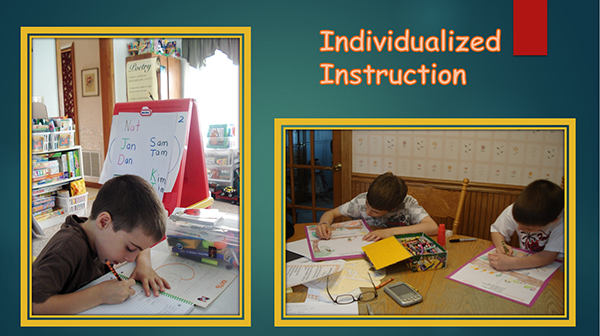
Individualized Instruction: A Comprehensive Guide to Alternative Schooling and Education
As the traditional education system struggles to meet the needs of every student, alternative schooling and education methods are becoming more popular. One such method that is gaining traction is individualized instruction. This approach tailors learning experiences to each student’s unique strengths, weaknesses, interests, and pace. In this post, we will explore what individualized instruction is, how it works, its benefits and drawbacks, and examples of schools using this method.
What Is Individualized Instruction?
Individualized instruction (II) refers to a teaching philosophy that recognizes that no two students have the same learning styles or abilities. Therefore, teachers must adapt their methods to suit each student’s needs instead of expecting them all to learn at the same pace or in the same way. II prioritizes personalization over standardization and encourages self-directed learning.
How Does Individualized Instruction Work?
In an II model classroom setting, teachers work with students on an individual basis rather than as a group. Students may be given personalized curriculums based on their academic level or personal interests while having access to resources like textbooks, technology tools like tablets or laptops for research purposes along with other materials available online via educational websites such as Khan Academy among others.
Teachers may also use one-on-one coaching sessions where they can assess a student’s progress regularly by checking in with them about their understanding of material covered during class time while adjusting lesson plans accordingly based on feedback received from these conversations.
Benefits of Individualized Instruction
There are numerous benefits associated with individualizing instruction:
1. Personalization – Students receive tailored lessons that cater specifically to their skill levels which helps boost confidence because they feel understood by their teacher.
2. Increased engagement – When students feel connected to what they are studying because it aligns with their interests and passions.
3. Flexibility – With customized lessons comes flexibility; students can move through curriculum items quickly or slowly depending on their pace.
4. Self-Learning – Students are more self-directed, which helps them develop a sense of responsibility and independence.
5. Opportunities for Mastery – When students understand the material thoroughly, they can focus on mastering it instead of simply moving onto the next topic.
Drawbacks of Individualized Instruction
While individualizing instruction has numerous benefits, there are some potential drawbacks to keep in mind:
1. Lack of Social Interaction – With individualized instruction comes less interaction with peers as each student is working at their own pace and level.
2. Resource Demands – Individualizing instruction requires additional resources like textbooks, technology tools like tablets or laptops for research purposes along with other materials available online via educational websites such as Khan Academy among others.
3. Teacher’s Time Management – Teachers must manage time effectively so that each student receives personalized attention while still making sure all curriculum objectives are met.
Examples of Schools Using Individualized Instruction
Many schools have adopted an II approach to education; two examples include:
1) Montessori Schools- These institutions follow Maria Montessori’s teaching philosophy, which encourages hands-on learning experiences and self-discovery through play-based activities rather than structured lesson plans.
2) Waldorf Schools- This type of school emphasizes experiential learning over academic achievement by integrating arts into the curriculum and focusing on building relationships between students and teachers.
Conclusion
In conclusion, individualized instruction offers several benefits to students who may struggle in traditional classroom settings by providing tailored lessons catered specifically towards their abilities, interests, and passions while promoting independent thinking; however, there may be resource demands associated with this approach that could affect its implementation in certain settings. As educators continue exploring alternative schooling methods to improve education systems around the world furthering our understanding of how best we can use new technologies such as AI-powered tutoring systems alongside traditional approaches will likely help us better tailor our efforts towards helping students achieve success academically.
 Alternative Amie
Leave a comment