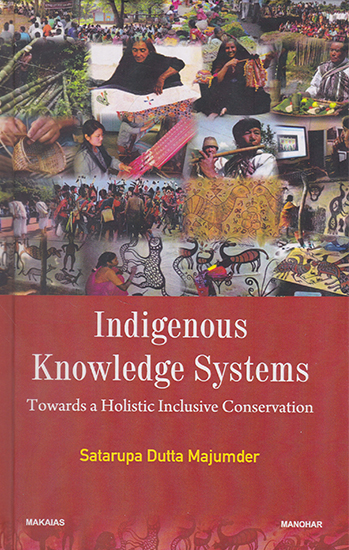
Interview with Indigenous Educator on Traditional Knowledge and Skills
In this interview, we speak with an Indigenous educator who shares their perspective on traditional knowledge and skills. The educator highlights the importance of preserving and passing down these practices to future generations.
Q: What are some examples of traditional knowledge and skills in your culture?
A: Our culture values a strong connection to nature, so many of our traditional practices involve sustainable living techniques such as hunting, fishing, foraging, and gardening. We also have a deep understanding of medicinal plants and their healing properties.
Q: How do you incorporate traditional knowledge into your teaching?
A: I believe it’s important to integrate cultural teachings into all aspects of education. For example, when teaching science we can discuss how our ancestors used plants for medicine or how they observed the natural world to predict weather patterns. Additionally, language classes provide an opportunity to teach our native language which is essential for maintaining our identity as indigenous people.
Q: Why is it important to preserve these traditions?
A: These traditions define who we are as indigenous people; they connect us to our past while providing guidance for the future. It’s crucial that young people learn about their heritage so they can appreciate its value and pass it down to future generations.
In conclusion, incorporating indigenous knowledge into education helps students develop a deeper appreciation for other cultures while enriching their own understanding of the world around them. By preserving these traditions we ensure that our children have access to valuable resources that will help them navigate challenges in life while remaining grounded in their heritage.
 Alternative Amie
Leave a comment