Social-Emotional Learning: The Key to Effective Alternative Education
Alternative education is a growing trend in the modern world, with many parents and educators seeking out alternative approaches to traditional schooling. These alternative approaches aim to provide students with a more personalized and engaging learning experience that fosters their social-emotional development.
In this article, we will explore what social-emotional learning (SEL) is, why it matters for alternative education, and how schools can integrate SEL into their curriculum.
What is Social-Emotional Learning?
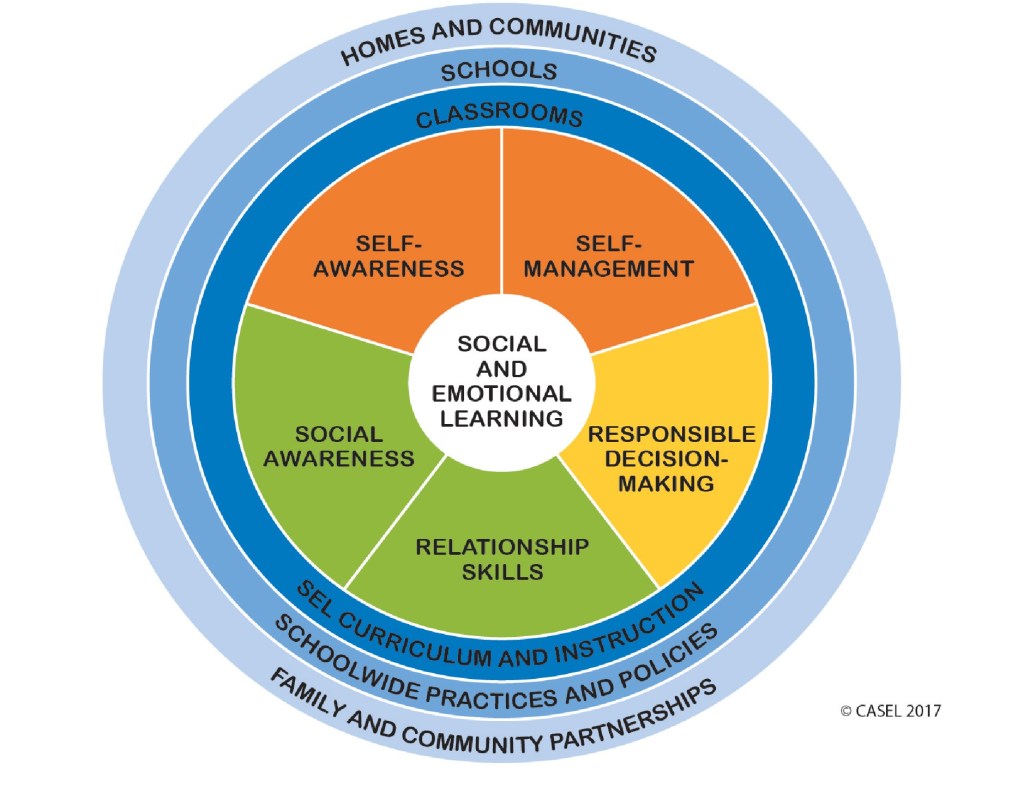
Social-emotional learning (SEL) refers to the process of developing self-awareness, self-management, social awareness, relationship skills, and responsible decision-making. SEL helps students understand their emotions and manage them effectively while also building positive relationships with others.
SEL involves teaching children how to identify their feelings accurately, communicate those feelings effectively, develop empathy for others’ emotions and perspectives, set achievable goals while managing stressors or distractions that may arise along the way.
Why Does SEL Matter in Alternative Education?
Alternative education programs often focus on student-centered approaches where learners are given more freedom than traditional classroom settings. While this approach allows for greater creativity and individuality in learning experiences – it also requires strong interpersonal skills such as empathy and communication skills.
By integrating SEL activities into alternative educational programs – teachers can promote healthy emotional intelligence growth among students who might find school challenging due to differences in academic or socio-economic backgrounds or other factors that would have been hard under conventional classroom settings.
Moreover – incorporating SEL practices into non-traditional educational models help students build resilience-oriented coping mechanisms which can be beneficial during times when they face hardships outside of school environments such as peer pressure or family conflicts.
How Can Schools Incorporate SEL Practices Into Their Curriculum?
Integrating social-emotional learning into an institution’s curriculum requires planning from administrators and educators alike. Here are some ways schools can incorporate these practices:
1. Start by Assessing Student Needs
Before implementing SEL practices, schools should assess their students’ social-emotional competencies to determine the areas of focus. This evaluation can be done through surveys or assessments that are data-driven and help identify the strengths and weaknesses of learners.
2. Create a Safe Environment
Creating a safe environment for students is crucial in promoting SEL activities. Schools can do this by ensuring that there are no bullying or harassment incidents within their premises; teachers should also be trained on ways to promote inclusivity while allowing individuality among learners.
3. Incorporate SEL into Daily Activities
SEL practices need not necessarily be separate from other educational activities – they can instead be incorporated into daily routines such as morning meetings, recesses, or even lunch breaks where positive communication, self-reflection and emotional regulation skills could become part of everyday conversations.
4. Provide Professional Development Opportunities for Teachers
Educators play a significant role in promoting social-emotional learning among students – providing them with opportunities to learn about these practices will ensure that they have the right tools and knowledge needed to guide learners effectively.
5. Involve Parents and Guardians
Parents play an essential role in children’s lives – involving them in school-based SEL activities ensures continuity between home life and school life experiences for kids who might find it challenging to adjust otherwise.
Conclusion:
Social-emotional learning plays an integral part in alternative education curriculums wherein educators aim at cultivating well-rounded individuals who possess strong interpersonal skills such as empathy, communication abilities, self-awareness, responsible decision-making capabilities among others.
Incorporating these practices into non-traditional educational models requires planning from administrators alongside educators who must work together towards creating a welcoming environment that promotes inclusivity while respecting individuality amongst all learners. Ultimately social-emotional learning provides critical foundational skills that enable students to succeed academically and navigate challenges outside classroom settings which is why it must remain an essential component of alternative education programs moving forward.
 Alternative Amie
Leave a comment