The concept of autonomous education is gaining popularity among parents who are looking for alternative schooling options for their children. This approach to education places the responsibility of learning entirely on the student, giving them complete control over what they learn, how they learn it, and when they learn it. In this post, we will discuss what autonomous education is all about, its benefits and challenges.
What is Autonomous Education?
Autonomous education is an educational philosophy that puts students in charge of their own learning. It focuses on empowering students to take charge of their own learning by providing them with a safe environment where they can explore their passions and interests without being told what to do or how to do it.
In an autonomous classroom setting, teachers act as mentors rather than authority figures who dictate what students should learn. Instead of following a strict curriculum set out by the school or state authorities, students have the freedom to design their curriculums based on their interests and goals.
Benefits of Autonomous Education
Autonomous education has several advantages for both students and educators alike:
1) Increased motivation: When given autonomy over their learning process, students become more invested in the material they are studying because it aligns with their personal interests and goals.
2) Better retention: Because autonomous learners have full control over what they study and how they study it, information tends to stick better compared to traditional methods where content is forced onto learners.
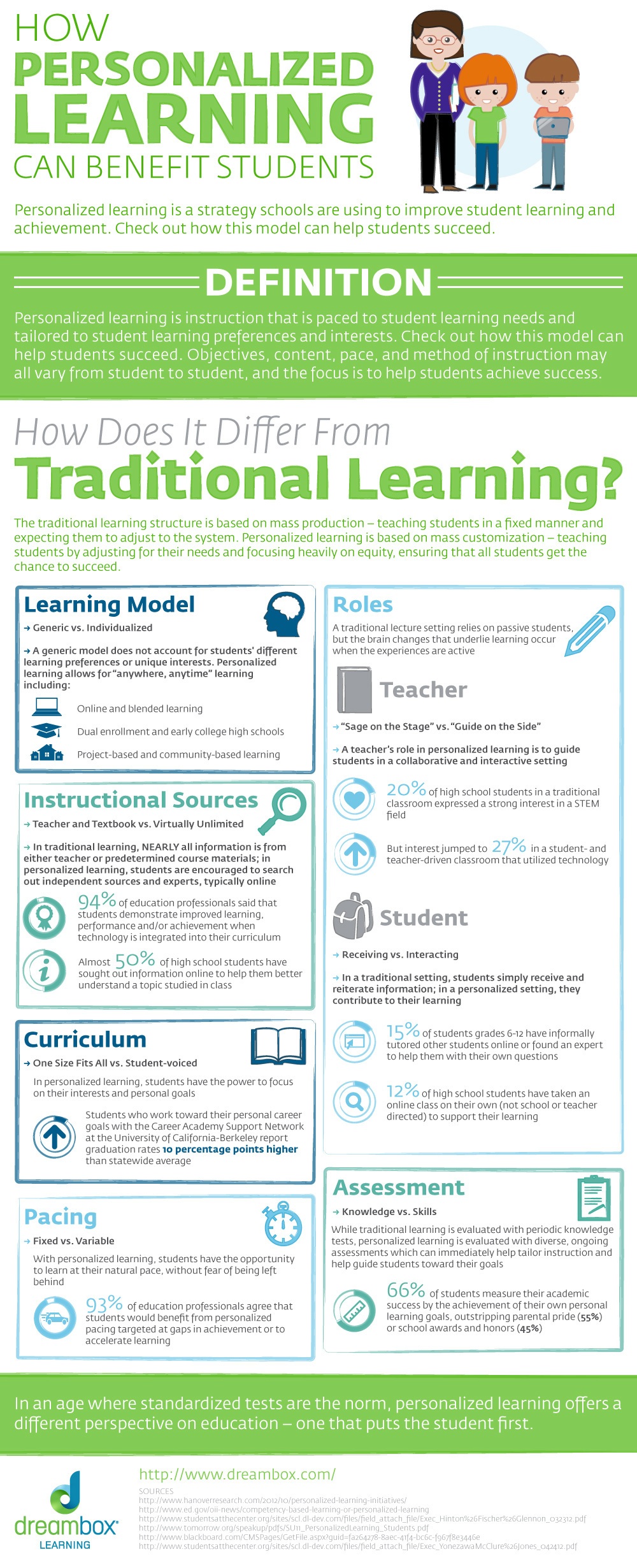
3) Personalized Learning: Each student learns differently; therefore, allowing each child’s path towards knowledge means tailoring teaching styles according to individual needs. This creates a personalized experience that caters specifically to each student’s unique requirements.
4) Self-Exploration: Students develop critical thinking skills through independent problem-solving techniques while discovering new ways of self-expression through avenues previously unexplored within traditional classrooms such as art or music courses not offered at school level due budget issues
5) Positive Attitude Towards Learning: By taking ownership of their education, students develop a positive attitude towards learning which carries with them throughout life.
Challenges of Autonomous Education
While there are several benefits to autonomous education, there are also some challenges that need to be addressed:
1) Lack of Structure: When given complete autonomy over their learning process, some students may lack the structure they need to stay on task and achieve their goals.
2) Socialization: Autonomous learners often struggle with socialization as they don’t have the same opportunities for social interaction as traditional schooling environments.
3) Accountability: Because they aren’t held accountable by traditional grading systems or other external factors, autonomous learners must rely on self-motivation and discipline to succeed in their studies.
4) Limited resources: Due to budget constraints and limited access to resources like textbooks or technology infrastructure, it can be difficult for autonomous learners who do not have access to these materials.
How can educators implement Autonomous Learning?
In order for educators to successfully implement autonomous education into their classrooms, they must first understand how it works and what strategies will help support student success. Here are some ways teachers can promote an autonomous approach within the classroom setting:
1) Create a supportive environment where students feel comfortable taking risks without fear of failure.
2) Encourage student-led discussions that focus on exploring ideas rather than just finding answers.
3) Offer choices in assignments so that each student has options tailored specifically towards individual interests and career aspirations.
4) Use project-based learning methods where students work collaboratively on real-world problems or projects relevant within society today such as environmental issues or community development programs.
5) Allow time for personal reflection at regular intervals during class sessions in order allow students time think critically about what is being learned and why it matters.
Final Thoughts
Autonomous education is an approach that provides a unique opportunity for both teachers and learners alike. By empowering students with control over how they learn and what subjects they explore, we give them the freedom to explore and discover their passions while building on what they already know. While autonomous education has its challenges, with proper support from educators, it can be a highly effective way to enable learners to become self-directed, lifelong learners who are capable of achieving their goals in life.
 Alternative Amie
Leave a comment