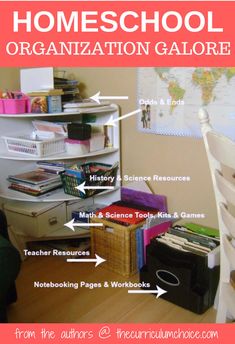
Alternative education and schooling are becoming increasingly popular in today’s society. As parents and educators search for more dynamic, effective ways of learning, alternative schools have emerged as a viable option. One type of alternative schooling that has gained popularity is the organization style.
The organizational style emphasizes structure and routine in both teaching methods and daily activities. This approach creates an environment that fosters discipline, responsibility, and independence for students.
One characteristic of the organizational style is its emphasis on schedules. Students follow a set timetable throughout the day, with specific blocks of time dedicated to each subject area. This structured approach helps students develop self-discipline as they learn to manage their time effectively.
Another element of the organizational style is its focus on individualized instruction. Teachers can tailor their lessons to meet the needs of each student while still ensuring that all students cover required material at a pace appropriate for them.
In addition to providing individual attention, teachers who use this method also encourage independent learning by assigning projects or tasks that require students to work independently or in small groups.
Organizational-style schools often employ various techniques such as goal setting and reflection to help promote personal growth among students. These practices help students become aware of their strengths and weaknesses while encouraging them to take ownership over their education.
One potential downside of this approach is that it may not be suitable for every student; some children may struggle with adapting to a highly structured environment or find it difficult to work independently without constant guidance from teachers or peers.
However, research shows that many children benefit greatly from the organizational-style approach. Studies indicate that these programs tend to produce high-achieving students who perform well academically while also developing valuable life skills such as time management, self-discipline, critical thinking abilities ,and effective communication skills
Furthermore, because these schools are usually smaller than traditional public schools (often only enrolling 100-200 pupils), they offer closer-knit communities where individuals can form stronger relationships with peers and staff members.
The organizational-style approach is not limited to the elementary or secondary school level. It can be adapted for use in higher education, where students may have more flexibility in their schedules but still require discipline and structure to succeed academically.
In fact, some universities have implemented similar approaches to help students stay on track and graduate within a timely manner. For example, one university has developed a program that incorporates individualized study plans, regular check-ins with academic advisors, and a mandatory career development course.
While the organizational style may not work for every student or institution, it offers an alternative approach that emphasizes discipline while promoting independent thinking and self-discipline. This method can provide students with valuable skills they need to succeed both academically and in life beyond schooling years.
In conclusion, if you are considering alternative education options, take time to research different styles of teaching methods before making your decision. The organizational style could be an excellent option for those looking for structured learning environments that foster independence and encourage personal growth among pupils at all levels of schooling.
 Alternative Amie
Leave a comment