Unschooling: A Statistics-Based Style Post
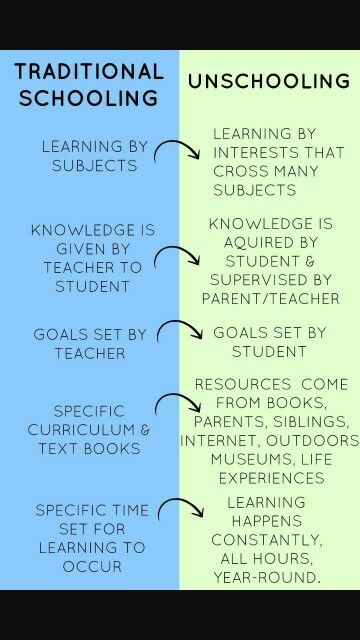
As a form of alternative education, unschooling has been gaining popularity over the years. Unschooling is a type of homeschooling where children are given the freedom to learn what they want and when they want it, without a structured curriculum or predetermined lesson plans. Instead, unschoolers learn through their own interests and experiences, guided by their parents or guardians.
The idea behind unschooling is that children will naturally be curious about the world around them and will seek out knowledge on their own if given the opportunity. Unschoolers believe that traditional schooling can stifle this natural desire to learn by imposing rigid schedules and standardized testing.
But how effective is unschooling as an educational method? Let’s take a look at some statistics-based evidence.
Academic Achievement
One concern often raised about unschooling is whether it prepares students for higher education or professional careers. Critics argue that without formal instruction in core subjects like math and science, students may struggle to succeed academically later in life.
However, studies have shown that many unschooled students go on to attend college and pursue successful careers. In fact, according to one survey of 232 grown-up unschooled individuals conducted by Peter Gray (2013), over two-thirds had attended college or university, compared with just under half of all U.S. adults aged 25-29 at the time of the survey who had completed an associate’s degree or higher (U.S. Census Bureau). Many of these former unschooled students also reported feeling well-prepared for college despite never having followed a traditional curriculum during their earlier schooling years (Gray & Riley; Hennessy).
Furthermore, research indicates that there may be advantages to learning outside of traditional classroom environments. For example, one study found that self-directed learners tend to be more persistent in pursuing long-term goals than those who rely on extrinsic motivation (Ryan & Deci, 2000). Additionally, unschooled children often develop strong problem-solving skills and are adept at finding creative solutions to complex challenges (Gray).
Socialization
Another concern often raised about unschooling is that it may limit a child’s opportunities for socialization. Critics argue that without regular interaction with peers of the same age, children may struggle to develop important social skills.
However, studies have shown that unschooled children actually tend to be more socially engaged than their traditionally-schooled peers. One study found that homeschoolers in general were more involved in community activities and had more positive relationships with people of different ages than public school students did (Ray & Wartes).
Moreover, many unschooling families actively seek out opportunities for their children to interact with others outside of the home environment. This can include participation in extracurricular activities like sports teams or music lessons, as well as attendance at co-op classes or other group learning events.
Happiness and Mental Health
Finally, one potential advantage of unschooling is its focus on promoting happiness and mental health among students. Traditional schooling has been linked to increased levels of stress and anxiety among young people due to factors such as academic pressure and bullying (Shepherd et al., 2018). In contrast, by allowing students to learn at their own pace based on their individual interests and preferences, unschooling may help foster a sense of autonomy, competence, relatedness – three basic psychological needs identified by self-determination theory research literature – which are associated with greater life satisfaction overall (Deci & Ryan).
Indeed, anecdotal evidence suggests that many unschooled individuals report feeling happier and more fulfilled than those who followed traditional educational paths. In an article published by Psychology Today titled “Unschooling: Letting Children Learn Naturally,” author Peter Gray interviewed several former unschoolers who shared positive experiences they had gained from this method of learning. The interviewees described feeling more self-motivated and enthusiastic about learning, as well as being able to pursue their passions with greater freedom than they would have had in a traditional school setting.
Conclusion
Overall, unschooling remains a controversial topic in the education community, with supporters and critics on both sides. However, based on the statistics available, it appears that this alternative educational method can be effective for many students when implemented correctly. By allowing children to learn at their own pace based on their individual interests and preferences, unschooling may help foster academic achievement as well as social engagement and mental health benefits.
As always with any education choice or decision-making process, it is important for families considering unschooling to do their research carefully before making a final decision. But given the growing body of evidence supporting this approach to learning – coupled with the high level of satisfaction reported by those who have chosen it – unschooling is certainly worth exploring further for anyone looking for an alternative to traditional schooling paradigms.
 Alternative Amie
Leave a comment