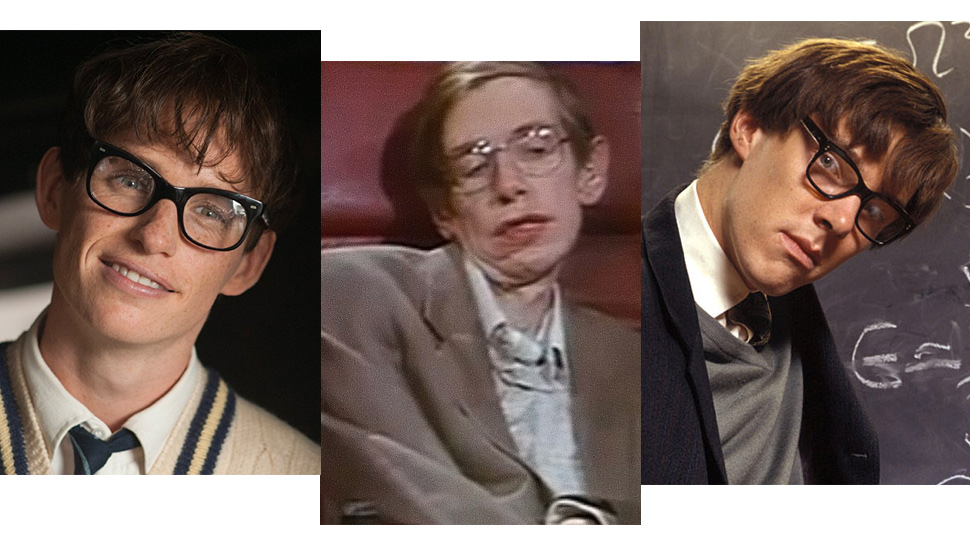
Stephen Hawking was one of the greatest minds of our time, and his contributions to science and education have had a profound impact on our understanding of the universe. Despite being diagnosed with ALS at the age of 21, Hawking continued to make groundbreaking discoveries throughout his life, inspiring countless people around the world.
Hawking’s work in theoretical physics revolutionized our understanding of black holes and the origins of the universe. He proposed that black holes emit radiation, which came to be known as Hawking radiation, a theory that challenged long-standing ideas about how these objects worked. His work on quantum mechanics and cosmology has also helped us better understand how the universe began and evolved over time.
Beyond his scientific achievements, Hawking was also an advocate for education and accessibility. He believed that everyone should have access to knowledge regardless of their background or physical abilities. This led him to support various educational initiatives such as creating programs for children interested in science and advocating for increased funding for research.
One notable example is his co-founding The Motor Neurone Disease Association’s Care Centres which provide specialist care services for people living with motor neurone disease (MND). In addition he also founded The Stephen Hawking Foundation which aims to promote science education accessible through technology
His writing career is another testament to this belief in accessibility; some titles are “A Brief History Of Time” or “The Universe In A Nutshell”, he wrote about complex topics but made them understandable even by those without a background in physics or advanced mathematics.
In addition, despite his physical limitations due to ALS, he remained active in academia until late into his life. Even after losing control over most parts of his body, he continued working on theoretical physics using computer-generated voice systems controlled by eye movements.
However it wasn’t just academics who were impacted by Stephen’s contribution: popular culture references can be found across various media – from TV shows like “The Big Bang Theory” to music bands like Pink Floyd, who included recordings of his lecture in their live shows.
Stephen Hawking’s legacy continues to inspire new generations of scientists and educators. His contributions have not only advanced our knowledge of the universe but also challenged us to think differently about accessibility and education. He remains a symbol for perseverance, curiosity and the pursuit of knowledge even when faced with seemingly insurmountable challenges.
 Alternative Amie
Leave a comment