As a writer and journalist, I have had the opportunity to learn about different styles of education. While traditional education systems are still prevalent in many parts of the world, alternative schooling methods are gaining popularity for their unique approach to learning. One such method is Project-based learning (PBL).
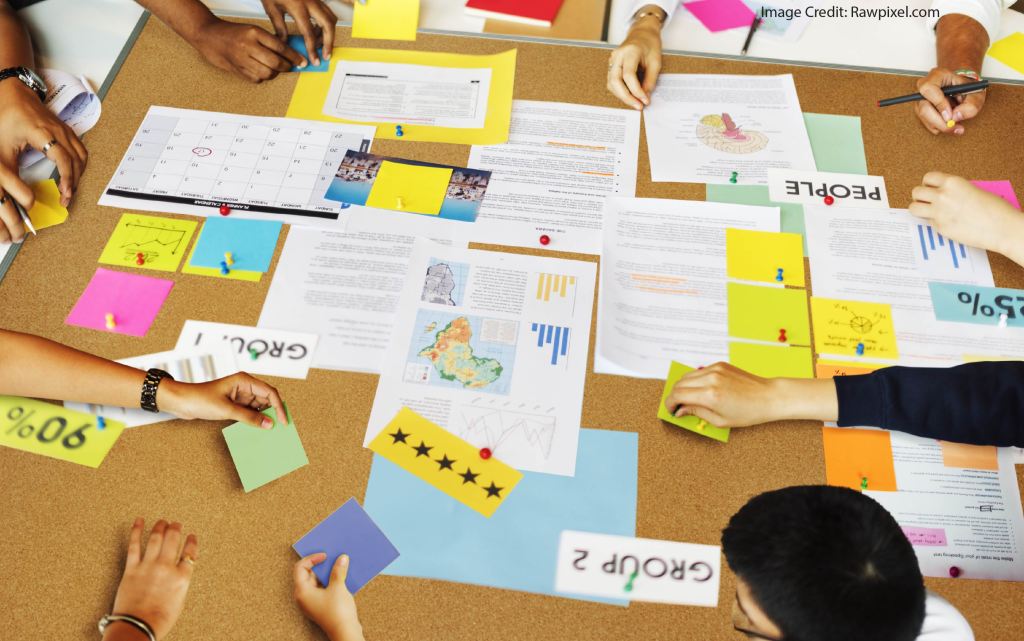
Project-based Learning is a student-centered teaching method that involves students in complex, long-term projects that require sustained effort and collaboration. PBL allows students to learn by actively engaging with real-world problems and situations, rather than just passively absorbing information from textbooks.
One of the most significant benefits of Project-based Learning is that it fosters a deeper understanding of concepts than traditional teaching methods. Students who engage in PBL develop critical thinking skills as they research and analyze data related to their project goals.
In PBL, teachers act more like facilitators or guides rather than knowledge dispensers. They provide support throughout the project but allow students to take ownership of their learning experience. This approach encourages creativity, independence, and self-motivation among learners.
Another advantage of PBL is that it helps students develop essential life skills such as communication, time management, problem-solving techniques – all abilities needed for success beyond school walls.
As someone who has experienced traditional teaching methods during my formative years – which mostly involved rote memorization – I can say without hesitation that Project-based Learning certainly seems like a lot more fun! The focus on practical applications often leads to engaging activities where you get hands-on experience while having fun at the same time!
The process begins with identifying an issue or challenge around which students will build their project work. These can range from social issues like poverty alleviation or healthcare access to environmental concerns such as waste management or deforestation.
Once identified, teams are formed based on interests and skill sets so everyone has something valuable to contribute towards the solution. Each team member brings their unique perspective and expertise into play when brainstorming ideas for tackling the challenge at hand.
Teams then develop a project plan that includes timelines, goals, and resources needed to achieve their objectives. They conduct research, gather data and create prototypes while refining their strategies along the way.
PBL also promotes collaboration between students which can translate into more effective teamwork skills in future workplaces. The diverse backgrounds of learners often lead to new and innovative ideas that would have been impossible with just one perspective in play.
As an added bonus, PBL projects can be integrated across multiple subjects so students learn how interconnected different areas of study are. For example, a student working on a waste management project might need to utilize math concepts for calculating landfill space or science methodologies for analyzing decomposition rates.
The final step involves presenting findings and solutions to peers, teachers, families or even real-world stakeholders who stand to benefit from the work done by these young minds! This not only builds confidence but also reinforces learning as they receive feedback from experts outside the classroom walls.
In conclusion, Project-based Learning is an excellent alternative method for education that provides students with practical skills while fostering creativity and independence. It’s not always easy but it’s definitely worth trying out if you’re looking for a change of pace in your schooling experience!
 Alternative Amie
Leave a comment