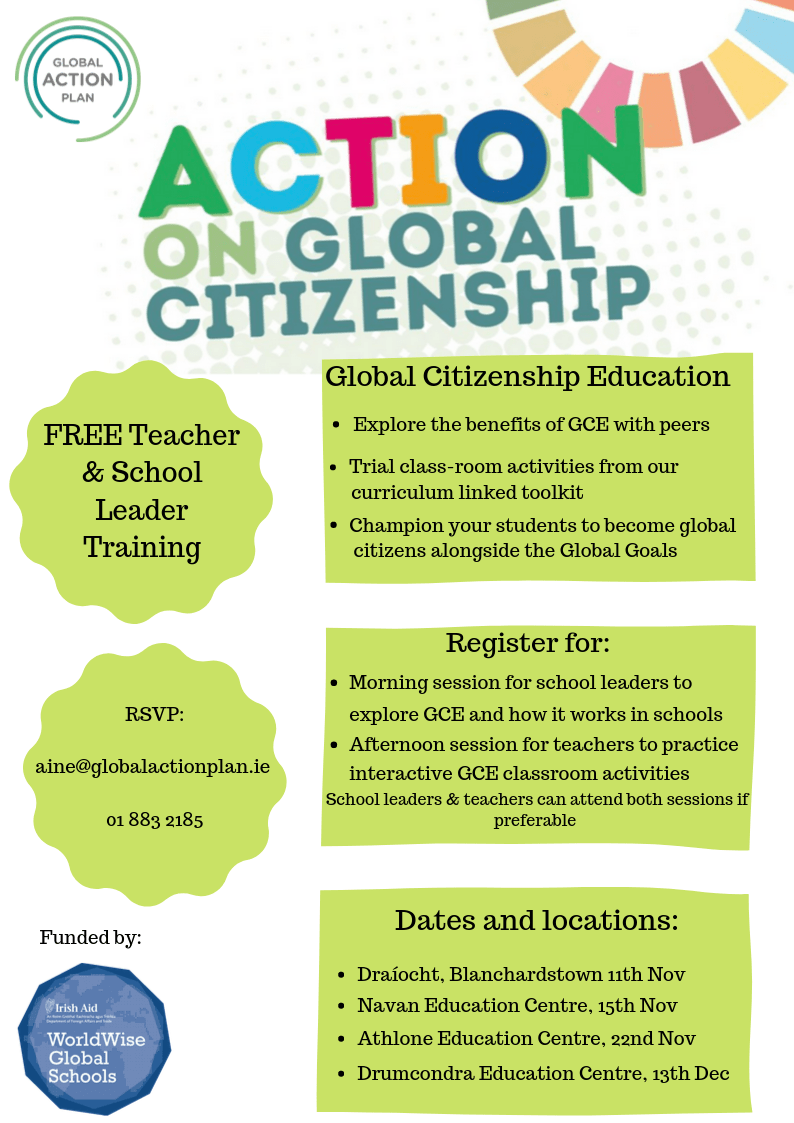
Global Citizenship Education: Preparing Students for a Diverse and Complex World
In today’s increasingly interconnected world, it is essential that students develop the knowledge, skills, and attitudes necessary to become responsible global citizens. Global citizenship education (GCE) aims to do just that by providing learners with the tools they need to understand complex global issues such as climate change, poverty, conflict resolution, human rights violations, and cultural diversity.
What is Global Citizenship Education?
Global citizenship education can be defined as an educational approach that seeks to empower learners to become active participants in their local communities and the wider world. It encourages students to think critically about global issues and provides them with opportunities to engage in meaningful learning experiences that promote empathy, respect for diversity, social justice, sustainability, and peace.
According to UNESCO (United Nations Educational Scientific and Cultural Organization), GCE aims “to develop knowledge of contemporary issues through appropriate curricula at all levels; build skills for critical thinking; foster values consistent with democratic societies; support civic engagement; encourage international cooperation on key challenges facing humanity; ensure access to quality education for all.”
Why is Global Citizenship Education Important?
The increasing complexity of our world requires individuals who are able to navigate diverse perspectives and find solutions that benefit everyone involved. By promoting intercultural understanding and building bridges across differences of race/ethnicity/nationality/language/religion/gender/sexuality/class/etc., GCE helps prepare students for life in a pluralistic society where mutual respect is crucial.
Furthermore, GCE can help address some of the pressing challenges we face globally such as environmental degradation/climate change/pollution/biodiversity loss/resource depletion/waste management/human-made disasters/public health crises/pandemics/income inequality/unemployment/socio-economic exclusion/political instability/corruption/violent extremism/war/conflict/displacement/migration/refugee crisis/etc. By empowering young people with the knowledge/skills/values to address these issues, GCE can contribute to creating a more sustainable and just world.
How is Global Citizenship Education Implemented?
GCE can be integrated into all aspects of the educational process from curriculum design to pedagogy, assessment, and extra-curricular activities. Here are some examples of how GCE can be implemented in practice:
1) Curriculum Design: Schools can revise their curricula to include global themes such as sustainability, human rights, intercultural communication, conflict resolution, peacebuilding, etc. Teachers can also develop project-based learning experiences that allow students to explore real-world problems related to these themes.
2) Pedagogy: Teachers can use inquiry-based methods that encourage students to ask questions and find answers through research, dialogue, and reflection. They can also use experiential learning strategies such as service-learning/community engagement/internships/study abroad programs/etc., which provide students with opportunities to apply their knowledge/skills/values in real-world contexts.
3) Assessment: Schools can assess student learning outcomes related to global citizenship using multiple measures such as performance tasks/rubrics/self-reflection/peer feedback/portfolio assessments/etc.
4) Extra-Curricular Activities: Schools can offer clubs/teams/events that promote global awareness/cultural exchange/social activism/volunteering/service projects/etc. These activities provide students with additional opportunities for personal growth and civic engagement beyond the classroom.
Benefits of Global Citizenship Education
Global citizenship education offers numerous benefits not only for individual learners but for society as a whole. Here are some of the key benefits associated with GCE:
1) Develops critical thinking skills: By examining complex global issues from multiple perspectives and engaging in debate/discussion/reflection about them, students develop strong critical thinking skills that are essential for success in college/work/life.
2) Fosters empathy/respect/tolerance: By interacting with people from diverse backgrounds (e.g., different cultures/races/nationalities/languages/religions/etc.) and learning to appreciate their unique perspectives, students develop empathy, respect, and tolerance for others.
3) Promotes social justice: By examining the root causes of social injustices (e.g., poverty/discrimination/oppression/exploitation/etc.) and advocating for change through activism/service projects/volunteering/community organizing/etc., students become agents of positive social change.
4) Encourages environmental responsibility: By studying environmental issues such as climate change/pollution/deforestation/biodiversity loss/waste management/water scarcity/etc. and engaging in sustainable practices such as recycling/reducing energy consumption/composting/gardening/bike riding/public transportation use/etc., students become responsible stewards of the planet.
5) Prepares students for global citizenship: By developing knowledge/skills/values related to intercultural communication/human rights/conflict resolution/peacebuilding/global governance/international cooperation/etc., students become equipped to function as responsible global citizens who can contribute positively to a diverse and complex world.
Conclusion
Global citizenship education is an essential educational approach that prepares learners for life in today’s interconnected world. By providing opportunities for critical thinking, intercultural understanding, civic engagement, sustainability, peacebuilding, human rights advocacy, and more, GCE helps create responsible global citizens who are equipped to address the pressing challenges we face as a society. As educators and parents alike recognize the importance of GCE in shaping future generations’ lives on earth will only get better with each individual’s contribution towards creating a caring world community.
 Alternative Amie
Leave a comment