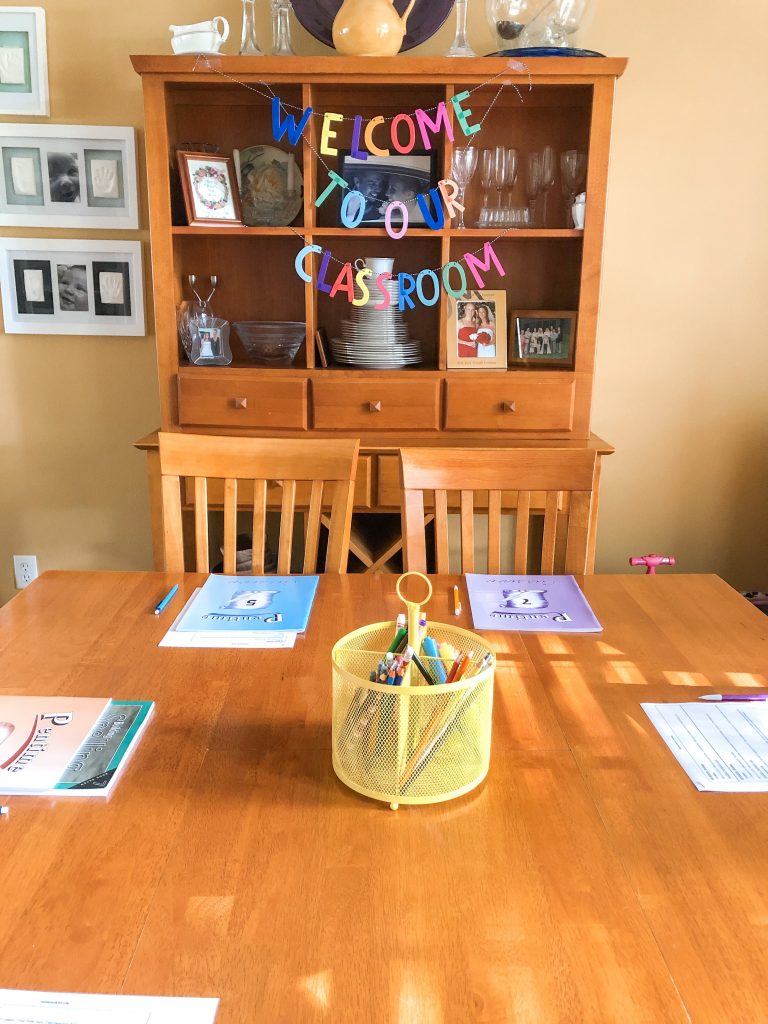
Island-Based Hybrid Homeschooling: A Case Study
Homeschooling has been on the rise in recent years, and with good reason. Many parents are realizing that traditional schools may not be meeting the individual needs of their children. However, homeschooling can present challenges as well, such as socialization and curriculum choices. That’s where island-based hybrid homeschooling comes in.
Island-based hybrid homeschooling is a unique approach to education that combines aspects of both traditional schooling and homeschooling. It allows families to have more freedom over their child’s education while still providing access to resources and a community.
In this case study, we will explore how one family on an island off the coast of Maine successfully implemented island-based hybrid homeschooling for their two children.
The Family
The Johnson family consists of parents Emily and Tom, along with their two children, 8-year-old Emma and 6-year-old Liam. They live on an island off the coast of Maine with a population just over 1,000 people.
Before deciding to pursue island-based hybrid homeschooling, Emily was a teacher at the local public school system while Tom worked remotely from home as a software developer. However, they were dissatisfied with the quality of education available in their community and wanted something more tailored to their children’s needs.
The Approach
Emily spent months researching different approaches to education before settling on island-based hybrid homeschooling. She liked that it would allow her family more control over what her children learned while still providing them opportunities for socialization and access to educational resources through partnerships with local organizations.
To implement this approach into their daily lives, Emily uses online resources such as Khan Academy for math lessons while supplementing with hands-on activities like gardening or cooking classes offered by community partners such as local farms or restaurants. The family also attends weekly meetups organized by other homeschooled families in nearby towns for additional socialization opportunities.
One unique aspect of the Johnson’s approach to island-based hybrid homeschooling is their focus on community service. They believe that giving back to their community is an essential part of their children’s education and regularly volunteer with local organizations such as the food bank or cleaning up local beaches.
The Results
After two years of island-based hybrid homeschooling, the Johnson family has seen significant improvements in their children’s academic achievement and overall well-being. Both Emma and Liam are more engaged in learning than they were when attending traditional schools, and they have developed strong friendships within their homeschooling community.
Emily notes that one unexpected benefit of island-based hybrid homeschooling has been how it has brought her family closer together. Instead of rushing off to work or school each day, they have more time to spend together as a family and explore their interests.
Challenges
Of course, no approach to education is without its challenges. For the Johnsons, one major obstacle was finding a balance between academics and socialization. While they appreciated the flexibility that island-based hybrid homeschooling provided, they also wanted to ensure that their children were still receiving a well-rounded education.
Another challenge was dealing with criticism from some members of the local community who did not understand or approve of their choice to homeschool. However, Emily found that by being open about her approach and sharing resources with others interested in alternative forms of schooling helped alleviate some pushback.
Conclusion
Island-based hybrid homeschooling offers families like the Johnsons an alternative way to educate their children without sacrificing access to resources or socialization opportunities. By combining aspects of both traditional schooling and homeschooling while engaging with partners within the surrounding communities for additional support or enrichment opportunities can lead students towards success academically while developing lifelong skills socially via volunteering programs which would help them become better citizens too!
 Alternative Amie
Leave a comment