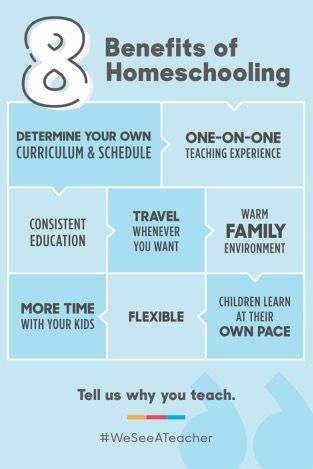
Homeschooling has become increasingly popular in recent years as parents seek alternative forms of education for their children. This type of schooling allows parents to have more control over what their children learn and how they learn it. There are many benefits to homeschooling, but there are also some challenges that families need to be aware of before deciding if it is the right choice for them.
One of the main benefits of homeschooling is flexibility. Parents can create a schedule that works best for their family and adjust it as needed. They can also tailor the curriculum to fit their child’s individual needs and interests, which can lead to a more engaging and effective learning experience.
Another benefit is the ability to provide a safe learning environment. With homeschooling, parents have greater control over who their child interacts with and what materials they are exposed to. This can be especially important for families who have concerns about bullying or negative influences in traditional school settings.
Homeschooling also allows parents to incorporate values and beliefs into their child’s education that may not be emphasized in public schools. For example, religious families may want to include teachings from their faith into daily lessons.
However, there are some challenges associated with homeschooling as well. One potential challenge is socialization – homeschooled children may miss out on opportunities for social interaction with peers on a regular basis. It’s important for families who choose homeschooling to take steps towards providing socialization opportunities such as joining local groups or participating in community activities.
Another challenge is ensuring that students receive an adequate education across all subjects without gaps or areas where they fall behind compared with traditionally schooled peers. Homeschoolers should ensure they follow state regulations regarding course requirements while providing personalized instruction tailored around student strengths and weaknesses.
Additionally, homeschooled students must prepare themselves academically beyond high school by taking courses at community colleges or programs available online so they gain credentials recognized by universities when applying after high school graduation.
In conclusion, homeschooling has become a popular choice for families looking for an alternative form of education. While there are many benefits, such as flexibility and the ability to tailor learning to individual needs, there are also some challenges that need to be addressed. Homeschoolers should ensure they follow state regulations regarding course requirements while providing personalized instruction tailored around student strengths and weaknesses. It’s important for families who choose homeschooling to take steps towards providing socialization opportunities such as joining local groups or participating in community activities so their child can develop healthy relationships with peers outside of the home setting.
 Alternative Amie
Leave a comment