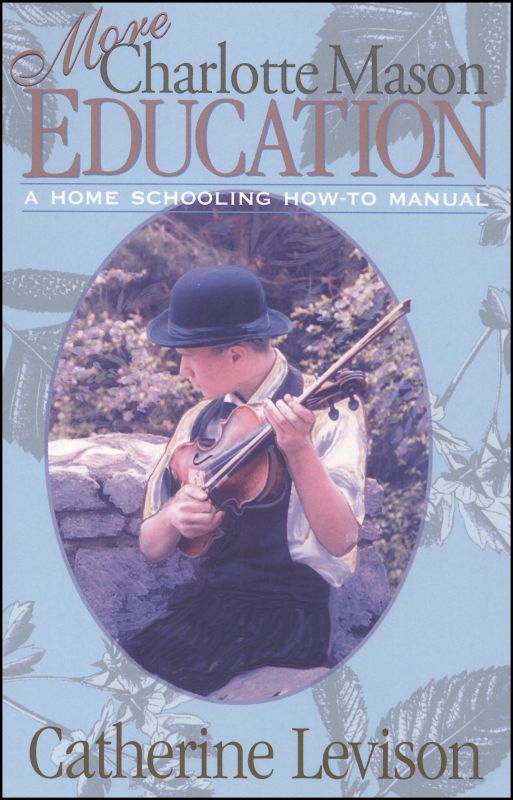
Panel Discussion: Exploring the Charlotte Mason Approach to Education
Welcome to this panel discussion on the Charlotte Mason approach to education. We have assembled a group of experts who will share their insights and experiences regarding this innovative approach, which is gaining popularity as an alternative to traditional schooling methods.
For those unfamiliar with Charlotte Mason, she was a British educator in the late 19th and early 20th century whose teachings emphasized the development of good habits, moral character, and a love for learning in children. The cornerstone of her approach was what she called “living books,” or literature that brings subjects alive and engages students in active learning.
Our panelists today are:
– Dr. Jane Johnson, Professor of Education at University College London
– Sarah Smith, homeschooling mother of three children
– John Doe, headmaster of an independent school using the Charlotte Mason method
Let’s begin by asking each panelist to share their thoughts on what makes the Charlotte Mason approach unique compared to other educational philosophies.
Dr. Johnson: “What I appreciate about the Charlotte Mason approach is its emphasis on developing not just academic skills but also character traits like self-discipline and respect for others. Her focus on living books encourages students to think critically and creatively about what they’re learning rather than just memorizing facts.”
Sarah Smith: “As someone who has homeschooled my children using Charlotte Mason’s methods for several years now, I can attest that it works! What sets it apart from other homeschooling approaches is its emphasis on nature study and hands-on activities like handicrafts. My kids love being outside exploring nature or working on projects with their hands.”
John Doe: “At our school, we’ve found that following the principles laid out by Charlotte Mason leads to engaged learners who take ownership over their education. The use of living books helps students see connections between different subjects while also fostering a love for reading.”
Next, let’s explore some of the key tenets of the Charlotte Mason approach. One that often stands out to newcomers is the idea of “short lessons.” Can you explain what this means and why it’s important?
Dr. Johnson: “Short lessons refer to the practice of teaching a subject for only 10-20 minutes at a time before moving on to something else. The goal is to keep students engaged and focused, rather than allowing their attention to wander during long lectures or reading sessions.”
Sarah Smith: “I’ve found that short lessons work well for my children because they have shorter attention spans than adults do. Plus, it helps us cover more subjects in a day without overwhelming them with too much information at once.”
John Doe: “In addition to keeping students attentive, short lessons also allow for frequent breaks throughout the day, which research shows can improve retention and productivity.”
Another hallmark of Charlotte Mason’s teachings is her emphasis on nature study. What are some ways schools or homeschooling parents can incorporate this into their curriculum?
Dr. Johnson: “Nature study doesn’t have to be complicated; even just going outside and observing what’s around you can be beneficial. But incorporating activities like sketching or journaling about what they see can help deepen students’ understanding of nature while also developing their observational skills.”
Sarah Smith: “We try to make nature study a regular part of our week by taking walks in our local park or visiting nearby conservation areas. It’s amazing how much there is to learn just by observing plants and animals in their natural habitats!”
John Doe: “At our school, we’ve created outdoor classrooms where students can learn about science, art, and other subjects while surrounded by nature. We also encourage teachers to use living books that focus on topics related to ecology or environmentalism.”
Finally, let’s talk about assessment under the Charlotte Mason approach. How do you measure student progress when there are no grades or tests?
Dr. Johnson: “Assessment in the Charlotte Mason approach is more about ongoing observation and feedback than formal tests or grades. Teachers or parents can evaluate students’ progress by observing their behavior, looking at examples of their work, and having conversations with them about what they’re learning.”
Sarah Smith: “I appreciate that there’s no pressure to perform on a test. Instead, we focus on mastery of a subject over time rather than cramming for an exam.”
John Doe: “We use a variety of assessment methods at our school, including oral narration (where students retell what they’ve learned), written narrations (where they write about what they’ve learned), and projects that allow them to apply their knowledge in creative ways.”
In conclusion, the Charlotte Mason approach offers an alternative model for education that emphasizes character development alongside academic achievement. By using living books, short lessons, nature study, and ongoing assessment, educators can create engaging learning experiences that help students thrive both inside and outside the classroom.
Thank you to our panelists for sharing your insights today!
 Alternative Amie
Leave a comment