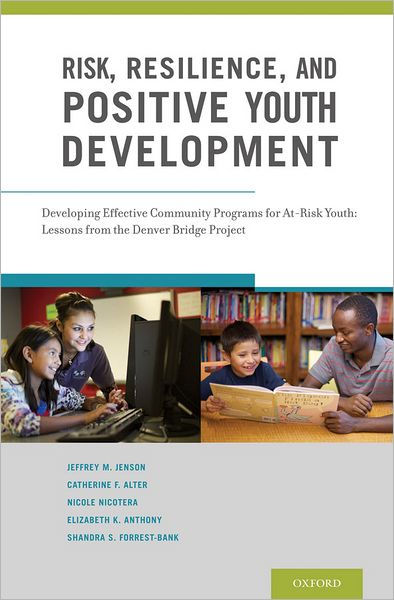
Experiential Learning for At-Risk Youth: An Effective Approach to Alternative Education
At-risk youth often face a wide range of challenges, including poverty, unstable home lives, and limited access to educational opportunities. These factors can make it difficult for them to succeed in traditional school settings. Fortunately, there are alternative education programs that offer innovative approaches to learning. One such approach is experiential learning.
Experiential learning is an approach that emphasizes hands-on activities and real-world experiences as the primary method of instruction. In this way, students are able to connect their classroom lessons with practical applications in their daily lives. This type of learning has been shown to be particularly effective for at-risk youth because it provides them with a sense of purpose and helps them see the relevance of what they are learning.
There are several key benefits to using experiential learning with at-risk youth:
1. Increased engagement: Experiential learning allows students to engage actively in the learning process rather than sitting passively through lectures or reading materials. This increased engagement leads to higher retention rates and better academic performance.
2. Improved social skills: Many at-risk youth struggle with social skills due to limited exposure outside their immediate community or family unit. Experiential education provides opportunities for interaction among peers and adults from different backgrounds which helps improve communication skills as well as cultural competence.
3. Career readiness: By providing hands-on training and work experience, experiential education prepares students for future careers by giving practical knowledge about various industries while helping them develop necessary soft skills like teamwork, problem-solving ability and leadership qualities.
One example of an organization that uses experiential education effectively is Outward Bound USA (OBU). OBU offers wilderness expeditions that provide participants with challenging outdoor experiences designed specifically for personal growth and skill-building purposes which includes self-awareness development along with social-emotional well-being support during the program duration on different aspects of life. They focus on developing leadership skills, communication and team-building ability, and resiliency while providing opportunities for students to take risks in a safe environment.
Another example is the High Rocks Academy for Girls, which offers hands-on learning experiences that teach practical skills like cooking, gardening, and carpentry. These skills are then put into practice by working on community service projects or internships with local businesses or nonprofits.
Experiential education programs can be implemented in traditional school settings as well. Teachers can incorporate hands-on activities into their lesson plans or collaborate with community organizations to provide real-world experiences outside the classroom. This type of education encourages students to get involved in their communities and takes learning beyond just textbooks.
In conclusion, experiential learning provides an effective alternative approach to traditional education methods for at-risk youth. By engaging students through hands-on experiences that connect classroom learning with real-world applications, this approach helps improve academic performance while also building important social-emotional competencies. There are many organizations dedicated exclusively to experiential learning programs; however, schools can integrate experiential methods into existing curriculums as well for enhanced student development outcomes overall.
 Alternative Amie
Leave a comment