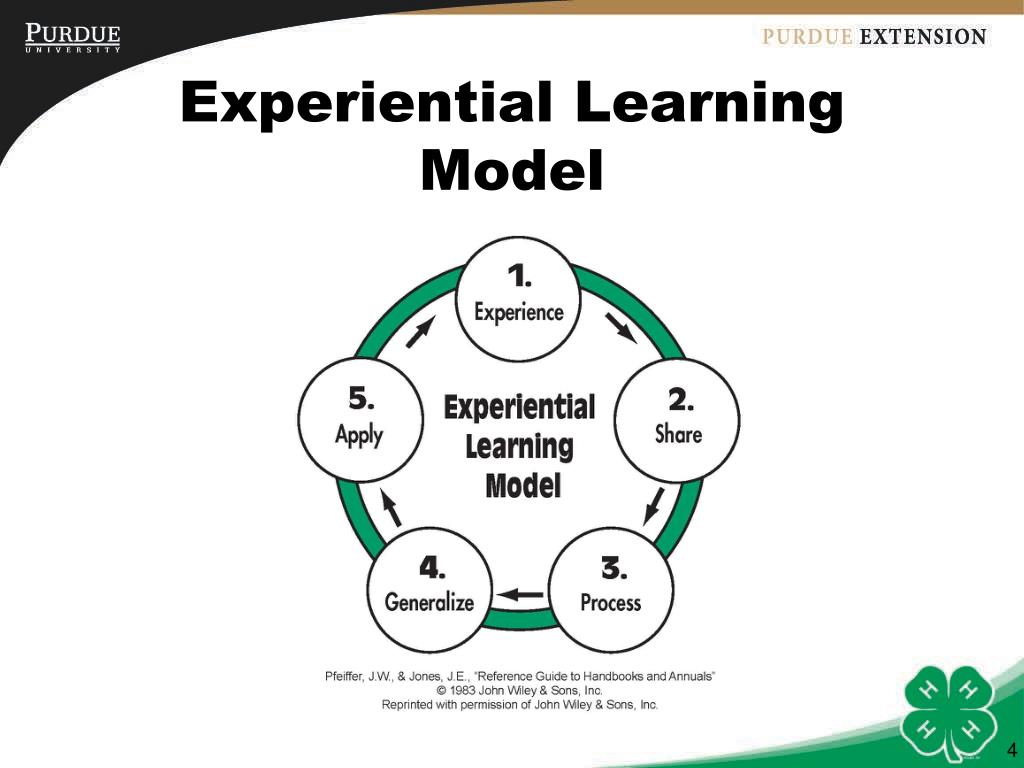
Experiential learning is a powerful approach to education that allows students to learn through hands-on experiences. This learning method has been used for centuries but gained popularity in recent years due to its effectiveness in teaching critical thinking and problem-solving skills.
Unlike traditional schooling, experiential learning puts the student at the center of the education process. It involves activities that actively engage students in their learning, such as internships, apprenticeships, field trips, and other immersive experiences. This approach encourages learners to take responsibility for their own learning and fosters independent thinking.
One benefit of experiential learning is that it helps students retain information better than traditional classroom instruction. When students learn by doing, they are more likely to remember what they learned because they can relate it to a specific experience or situation.
Another advantage of experiential learning is that it promotes collaboration among peers and with mentors. Students work together on projects or problems and receive feedback from experts in the field. This interaction creates a sense of community and support which can help build confidence and motivation.
Experiential learning also provides opportunities for personal growth beyond academic achievement. Students develop social skills like communication, teamwork, leadership, self-awareness, empathy- all essential qualities for success in life after school.
To maximize the benefits of experiential learning requires careful planning and execution by educators who must ensure that activities align with curriculum goals while providing engaging experiences that encourage active participation.
In conclusion, experiential Learning provides an effective way for learners to develop skills needed both academically and socially outside traditional classroom settings.
 Alternative Amie
Leave a comment