Socialization and Community Building for Homeschoolers
Homeschooling has been growing in popularity over the years, with parents choosing to take their children’s education into their own hands. While homeschooling offers a lot of benefits such as personalized learning, flexible schedules, and individualized attention, one concern that many people have is socialization. How can homeschoolers build community and interact with others?
Fortunately, there are many ways to promote socialization and community building among homeschoolers.
Join a Homeschool Co-op
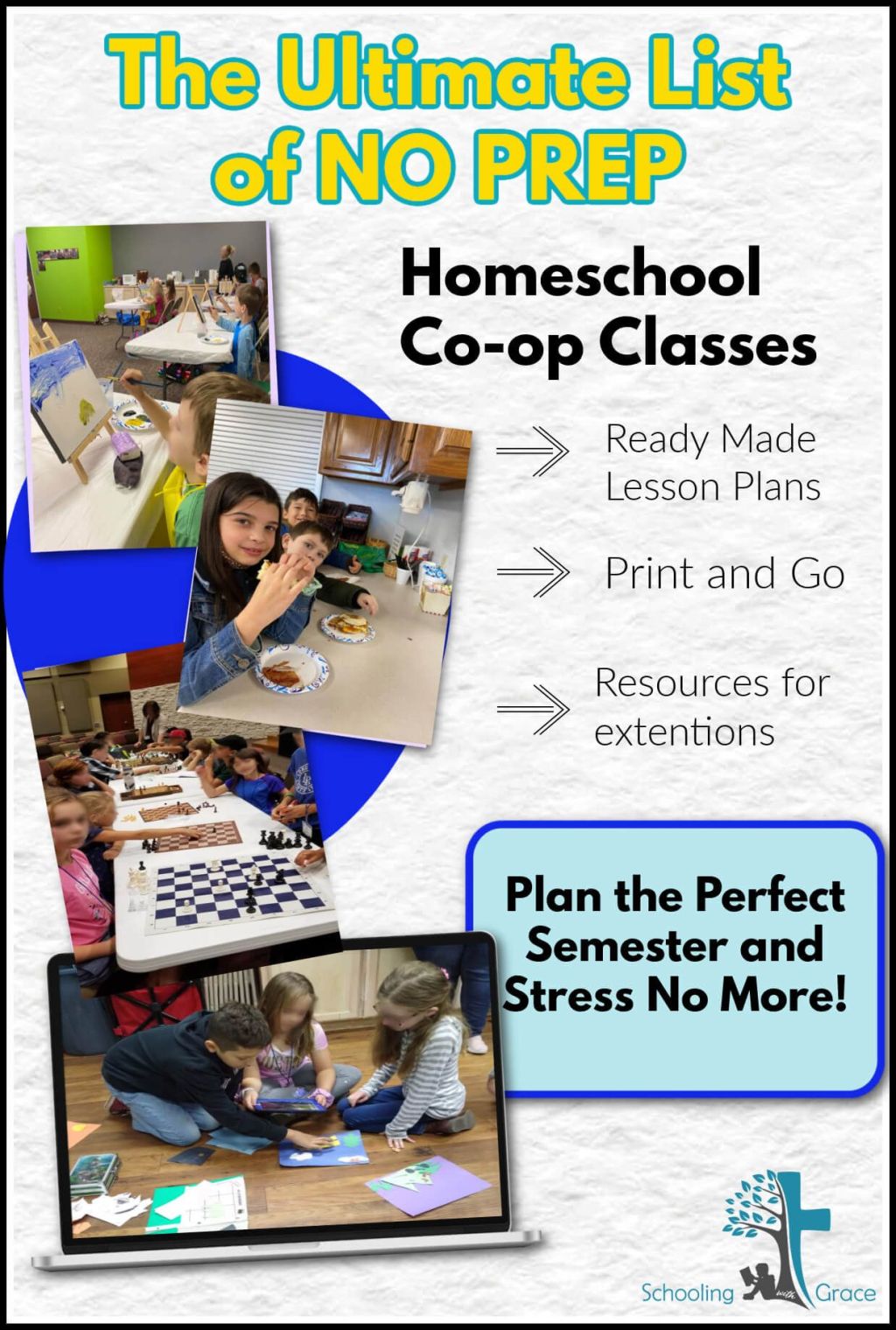
One of the best ways to meet other homeschool families is by joining a co-op. A co-op is a group of families who come together to share resources, knowledge, and experiences. They often meet regularly for classes or activities such as field trips or sports teams.
Co-ops offer many benefits beyond just socializing. They provide opportunities for parents to share teaching responsibilities and expertise in different subjects. It also helps children learn from different adults which can help them develop new perspectives on various topics.
Participate in Extracurricular Activities
Extracurricular activities are another great way for homeschoolers to socialize with peers while pursuing interests outside of academics. Sports teams, music lessons or clubs like drama club provide an opportunity for children not only to make friends but also learn new skills.
Many public schools allow homeschooled students to participate in extracurricular activities if they meet certain requirements such as taking specific standardized tests or being enrolled part-time at the school district.
Volunteer Within Your Community
Volunteering within your local community provides an excellent opportunity for both parents and children alike to contribute meaningfully towards society while engaging with others who share similar values.
Look out for organizations that align with your family’s interests then volunteer together might be interesting – whether it’s working at a food bank or helping out at an animal shelter – you can work together as a family unit providing assistance where needed while at the same time meeting new people in your community.
Attend Homeschool Conferences
Homeschool conferences are excellent events to attend for both parents and children. These events offer opportunities for families to learn new teaching techniques, network with other homeschoolers, and explore curriculum options.
Attending these events can help you broaden your knowledge about homeschooling, meet like-minded people, or even find a mentor who shares similar experiences.
Join Online Communities
In today’s world of technology and social media, it has become easier than ever before to connect with others online. Joining an online community can be an excellent way for homeschoolers to interact with other families sharing similar interests regardless of their location.
You can join Facebook groups or forums where you will find parents discussing different aspects of homeschooling while getting feedback from experts on topics ranging from curriculum choices to handling specific challenges related to education such as dyslexia or ADHD.
Participate in Community Service Programs
Volunteering within the local school district gives homeschooled students the opportunity not only to give back but also participate in various activities offered by schools that they wouldn’t have access otherwise. This kind of participation helps build relationships while learning valuable skills such as teamwork and leadership abilities.
Participating in community service programs builds character while providing essential life lessons that go beyond textbooks which is crucial for developing well-rounded individuals into society’s future leaders.
Create Your Own Group Activities
Creating group activities offers another opportunity for building social connections among homeschooled students. It provides them with a chance to take ownership of their own learning experience by planning field trips or outings that align with their individual interests.
Parents can create study groups based on subjects like music appreciation studies, book clubs or science experiments where kids get together every week then work through the material together as peers under adult supervision – this encourages collaboration between different age groups thus promoting empathy and understanding among younger ones towards older learners.
Conclusion
Socialization and community building are essential components of homeschooling. Homeschoolers can participate in a wide range of activities that promote socialization while still maintaining the flexibility and individualized attention that makes homeschooling so effective.
The benefits of these activities extend beyond just socializing; they also provide opportunities for parents to share knowledge, gain mentorship, or even learn new skills themselves. So if you’re looking to build community among your homeschool students, consider some of these suggestions and see how it could benefit both you and your children!
 Alternative Amie
Leave a comment