Executive Functioning Goals in IEPs
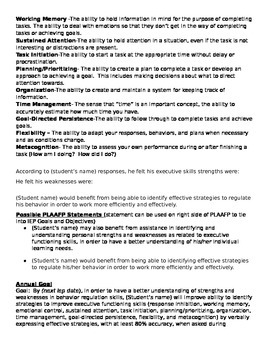
Individualized Education Programs (IEPs) are critical documents that outline the special education services and accommodations that students with disabilities need to thrive academically. One important aspect of an IEP is setting goals for executive functioning skills, such as organization, time-management, and self-regulation. These skills are essential for success in school and beyond, but they can be challenging for many students with disabilities.
To begin creating executive functioning goals for a student’s IEP, it is essential to understand their strengths and weaknesses. A comprehensive evaluation by a qualified professional can provide valuable insights into a student’s cognitive abilities, social-emotional development, and academic performance. This information can inform the selection of appropriate goals that are specific to the student’s needs.
Once areas of weakness have been identified, it is crucial to set SMART (specific, measurable, achievable/relevant/realistic, time-bound) goals that are tailored to the individual student. For example, if a student struggles with time-management skills like prioritizing tasks or staying on task during independent work time, an appropriate goal might be: “Student will prioritize daily tasks using a visual schedule with 80% accuracy within four weeks.” The goal should be specific enough so that progress can be measured objectively over time.
It is also important to consider how these goals will be taught and reinforced throughout the school day. Executive functioning skills require ongoing practice and support from teachers and other adults in the school environment. Providing explicit instruction in these areas through modeling strategies like checklists or graphic organizers can help students develop their skills more effectively.
In addition to setting specific executive functioning goals within an IEP document itself it may also be helpful to communicate these goals clearly with all staff members who interact directly with the student each day. Classroom teachers should know what each child’s current goals are so they can reinforce instruction on those targeted areas while working towards generalization across settings.
Finally, it is important to monitor progress regularly and adjust goals as needed. Executive functioning skills can take time to develop, and progress may not be linear. Regular communication between parents, teachers, and other professionals involved in the student’s education can help ensure that everyone is working together towards the same goals.
In conclusion, setting executive functioning goals within an IEP is an essential component of supporting students with disabilities. By identifying areas of weakness and creating SMART goals that are specific to the student’s needs, educators can help build these critical life skills that will serve them well beyond their school years. Ongoing support from teachers and regular monitoring of progress are also key factors in ensuring success for all students.
 Alternative Amie
Leave a comment