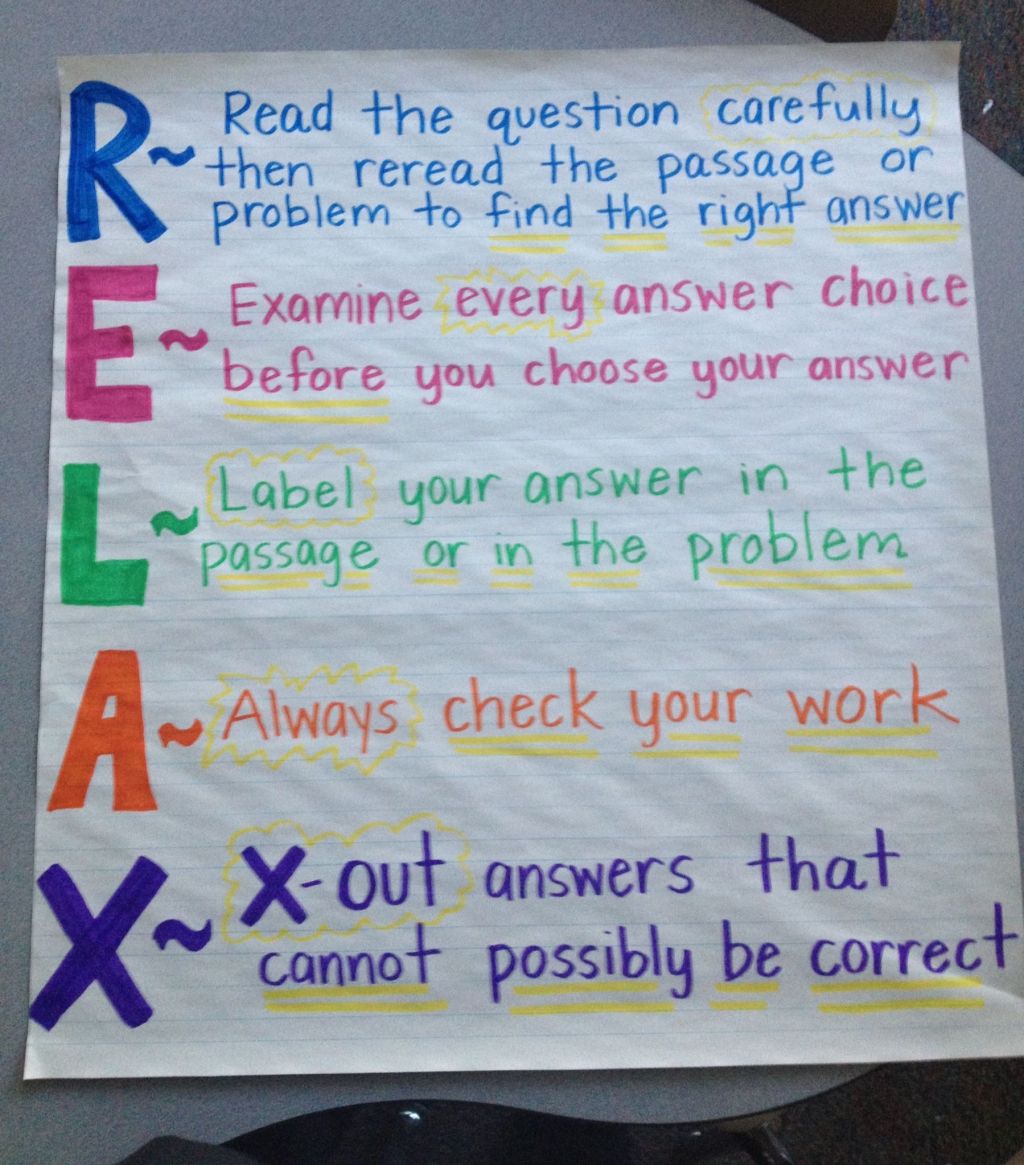
Test-taking Strategies: Tips for Success
For many students, test-taking can be a daunting task. However, with the right strategies and mindset, it is possible to achieve success and even enjoy the process. In this post, we will explore some helpful tips for taking tests that can be applied in any academic setting.
1. Prepare ahead of time
One of the most important things you can do to set yourself up for success on a test is to prepare ahead of time. This means reviewing material in class regularly, completing homework assignments diligently, and studying consistently leading up to an exam. Procrastination often leads to stress and anxiety which can negatively impact your performance on the day of the test.
2. Manage your time
Time management is key when it comes to test-taking. Make sure you are aware of how much time you have for each section or question so that you don’t get bogged down on one item while neglecting others. If necessary, divide your allotted time equally among all questions or sections so that you have enough time to complete everything by the end.
3. Read instructions carefully
It may seem obvious but reading instructions carefully before starting a test can save valuable time and prevent mistakes later on. Pay attention not only to what tasks you are being asked to perform but also how they should be completed (i.e., multiple-choice vs short-answer). Be sure to clarify any ambiguities with your instructor before beginning if needed.
4. Stay calm
Stress and anxiety are common during tests but they needn’t control us completely! Try deep breathing exercises or other relaxation techniques beforehand in order to stay calm during testing situations – staying relaxed will help clear your mind and improve focus.
5. Eliminate distractions
Distractions like phones or loud music can interfere with concentration so it’s best if these items are turned off or left outside of classrooms when taking exams! Additionally, sitting near windows where there might be moving objects like birds or other animals could also cause distractions so it’s best if you choose a seat that is quiet and free of any distractions.
6. Use the process of elimination
When answering multiple-choice questions, use the process of elimination to narrow down your options before choosing an answer – this can help increase your chances of selecting the correct response! You may want to do this in order to eliminate choices that are obviously incorrect.
7. Review your answers
At the end of an exam, take time to review all answers before submitting them for grading purposes – double-checking can make sure there aren’t any mistakes made while taking tests.
In conclusion, test-taking doesn’t have to be stressful or overwhelming – with proper preparation and mindful approaches during testing situations such as deep breathing exercises and eliminating distractions – one can perform well on exams. By following these tips and tricks, students will develop their own personal style when it comes to test-taking strategies that work best for them and achieve success in their academic pursuits

 Alternative Amie
Leave a comment