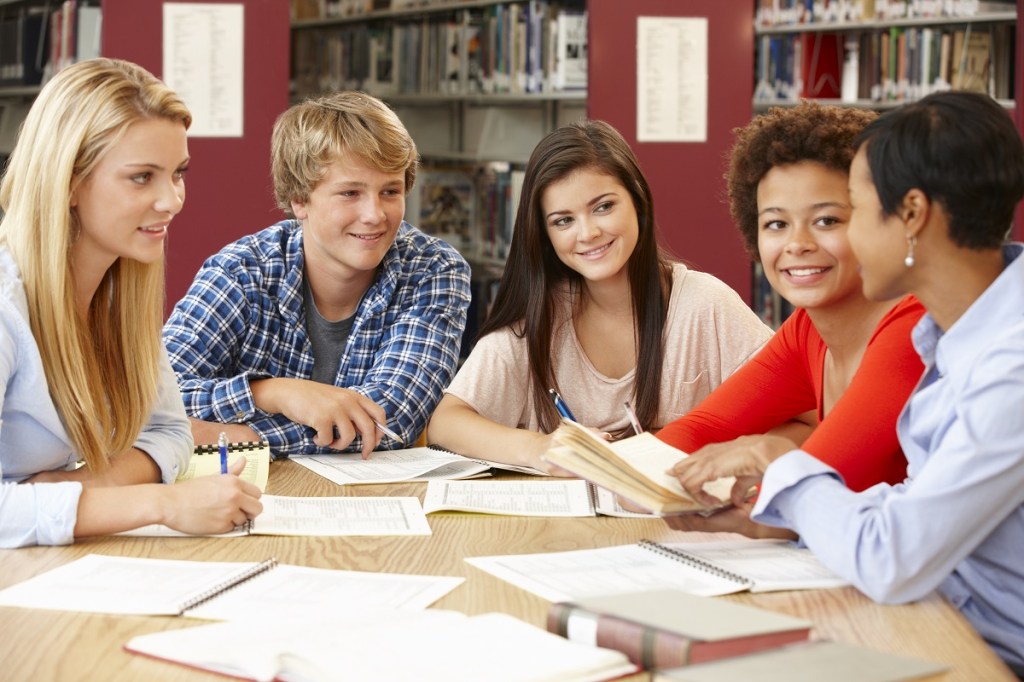
Cooperative Learning: Working Together for Success
As humans, we are social beings who thrive in environments where we collaborate and work with one another. This is why cooperative learning has become a popular teaching method in alternative schools and education systems.
Cooperative learning involves group work, where students work together towards a common goal. In this approach to learning, the teacher does not hold all the knowledge; instead, each student brings their unique experiences and perspectives into the classroom to create a dynamic learning environment.
One of the benefits of cooperative learning is that it promotes active engagement among students. Instead of passively absorbing information from lectures or textbooks, students actively participate in discussions and activities that encourage them to think critically about the subject matter. When working collaboratively with others, they get to ask questions, share ideas and learn from their peers.
Another advantage is that it fosters positive interdependence among classmates. Students are encouraged to rely on one another’s strengths while supporting each other’s weaknesses to achieve success as a team. This builds strong relationships between students while developing essential social skills such as communication and empathy.
Furthermore, cooperative learning can be customized to fit different age groups and subjects. For instance, young children can engage in play-based activities that teach them how to share toys while older children can participate in debates or brainstorming sessions that challenge them intellectually.
In conclusion, traditional schooling methods tend to focus on individual achievement rather than collective success; however, by embracing cooperative learning approaches like collaborative projects or problem-solving exercises – schools can build communities within classrooms where everyone succeeds together!
 Alternative Amie
Leave a comment