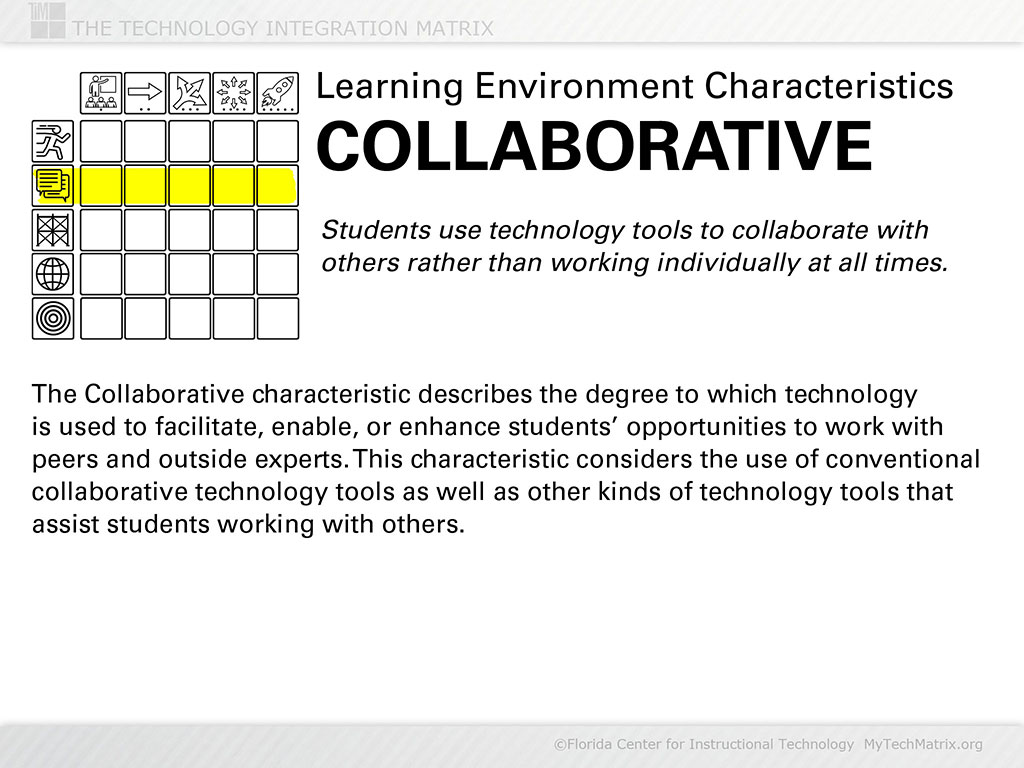
Collaborative Learning in CBE: The Power of Working Together
Collaboration is a key element in Competency-Based Education (CBE) as it enables learners to acquire the necessary skills, knowledge, and competencies needed for their future careers. In collaborative learning, students work together in groups to solve problems, complete tasks and projects, and learn from each other’s experiences.
In this article, we will explore the importance of collaborative learning in CBE and how it can help learners achieve meaningful learning outcomes.
What is Collaborative Learning?
Collaborative learning is an instructional approach that involves students working together in small groups to achieve common goals. In collaborative learning environments, students take responsibility for their own learning while also supporting others’ efforts. They share ideas and resources with one another while building on each other’s strengths.
The purpose of collaborative learning is not only to enhance academic achievement but also to develop essential life skills such as communication, problem-solving, critical thinking, leadership, teamwork and conflict resolution. These are all important skills that are highly valued by employers today.
Why Is Collaborative Learning Important In CBE?
CBE focuses on mastery-based progression rather than traditional time-based progression seen in traditional education models. Students must demonstrate mastery of specific competencies before moving onto the next level or subject matter. This means that collaboration becomes even more critical as learners work through individualized programs at different paces.
By working collaboratively on projects or assignments related to specific competencies or areas of study; students can better understand concepts they may have struggled with individually while also reinforcing their understanding of topics they have already mastered.
Students who collaborate regularly develop deeper levels of understanding about a topic since they’re able to challenge each other’s assumptions and thought processes without fear of reprisal or judgment. They become empowered by taking ownership over their own education through shared decision-making regarding group dynamics which ultimately creates a stronger sense of community within the classroom or learning environment.
Collaborative Learning Techniques
There are several collaborative learning techniques that can be used in CBE environments. These include:
1. Jigsaw Method
The jigsaw method is a cooperative learning technique that involves breaking up a topic into smaller pieces, assigning each piece to different groups of students, and having them present their findings back to the class.
This approach works well for complex topics because it allows students to focus on one aspect of the topic at a time while also working together towards an overall understanding. Each group becomes experts in their assigned area and then shares their newfound knowledge with the rest of the class.
2. Group Projects
Group projects involve assigning students tasks or projects that require them to work together collaboratively towards a common goal. This not only helps develop essential teamwork skills but also reinforces individual competencies within specific subject areas.
For example, creating a marketing campaign for a product requires collaboration between members of the team who may have expertise in web design, graphic design, writing copy and conducting market research – all essential components needed for success in many careers today.
3. Peer Tutoring
Peer tutoring is when one student teaches another student about a particular concept or skill they may have already mastered themselves. This has been shown to be particularly effective as learners often find it easier to understand concepts explained by their peers than from teachers or textbooks alone.
It also builds confidence and leadership skills as they take ownership over what they’ve learned through sharing with others who may not have had access otherwise without this approach being integrated into instruction delivery methods like peer-based interventions which provide opportunities for feedback loops between learners as well as enhancing social connections among them.
Benefits Of Collaborative Learning In CBE
Collaborative learning offers numerous benefits both academically and personally including:
1) Improved academic performance: Students are more likely to achieve higher grades when working collaboratively since they can share ideas and resources with one another while building on each other’s strengths.
2) Enhanced communication skills: Students learn how to communicate effectively with others while working collaboratively, which is an essential skill in today’s workforce.
3) Increased motivation and engagement: Collaborative learning creates a sense of community within the classroom or learning environment that can help students stay motivated and engaged in their education.
4) Improved social and emotional development: Through collaboration, learners develop empathy, respect for diversity, self-awareness, conflict resolution skills and leadership abilities. These competencies are highly valued by employers as they reflect on one’s ability to navigate complex social situations and adapt to changes.
Challenges Of Collaborative Learning In CBE
While collaborative learning is effective at enhancing academic achievement and developing important life skills among learners; it also presents several challenges that must be addressed. Some of these include:
1) Group Dynamics
Collaborative learning requires good group dynamics for success. If there are issues like unequal participation from team members or personality conflicts within the group – this can lead to less than optimal outcomes including lower grades or lack of engagement from some members of the team.
2) Time Management
Collaboration often requires more time than individual work since there will be discussions around ideas and ensuring everyone understands their roles before starting tasks together. This time commitment may not always align well with traditional schedules resulting in additional stressors like fatigue or burnout among participants leading them to avoid engaging in collaborative practices altogether.
3) Assessment
Assessing collaborative work can pose challenges particularly when considering how much credit should be given to individuals versus groups for completing assignments successfully. It is critical that educators assess both individual mastery as well as collective measures such as teamwork performance so all relevant information about a student’s progress is captured adequately.
Conclusion
Collaborative learning has become increasingly popular within Competency-Based Education models due to its effectiveness at fostering essential skills required for success in today’s workforce while also improving academic achievements across diverse student populations.
It offers learners the chance to develop essential competencies such as communication, critical thinking, leadership abilities, problem-solving techniques and teamwork skills while also enabling them to take ownership over their own learning journeys through shared decision-making around group dynamics.
While challenges exist in implementing collaborative learning strategies within CBE models like good group dynamics or time management; these can be addressed with proper planning and support from educators who understand how to integrate this approach effectively into instruction delivery methods.
Overall, Collaborative Learning in CBE is a powerful tool that enables students to achieve meaningful outcomes both academically and personally while also preparing them for success in today’s rapidly changing work environment.
 Alternative Amie
Leave a comment