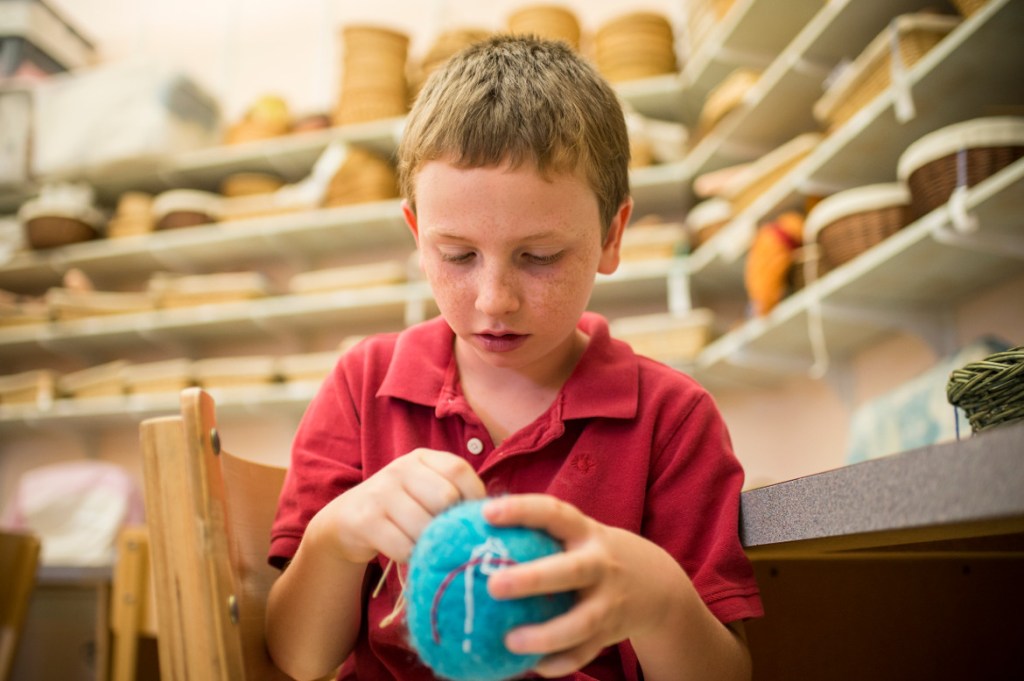
As education evolves and the world becomes more digital, there is a growing concern about the lack of handwork/crafts being taught in schools. This type of learning used to be an integral part of the curriculum but has been slowly replaced by technology-based classes. However, it is important to recognize that handwork/crafts hold immense value for students and should not be overlooked.
The benefits of including handwork/crafts in education are numerous, with one significant advantage being their ability to promote creativity and innovation. When students engage in hands-on activities such as painting, sculpting or woodworking, they are given the opportunity to express themselves freely without any limitations or boundaries imposed on them by technology. They learn how to think critically and come up with unique solutions when faced with challenges during crafting projects.
Additionally, handwork/crafts teach patience and perseverance as these skills require time and practice to master. Students also develop fine motor skills which lead to improvements in handwriting, manual dexterity and muscle memory.
Another critical aspect emphasized through crafts/handwork is teamwork. Most craft projects necessitate collaboration between students whereby they can share ideas amongst themselves while working together towards accomplishing a common goal; this fosters socialization skills while simultaneously boosting self-esteem levels.
Incorporating crafts/handwork into curricula also ensures that all types of learners can excel as these lessons cater well for visual learners who prefer physical activities over book work; hence giving them another avenue where they can shine academically.
Furthermore, introducing craft/handwork classes helps preserve traditional art forms while teaching history at the same time – helping young learners understand their roots better. These classes offer practical knowledge about different cultures from around the world – making it easier for them to relate to other people’s ways-of-life universally.
In conclusion, integrating handwork/crafts into schooling goes beyond merely learning how-to-do-it; it transcends into personal growth that students carry for the rest of their lives. It is a chance to explore creativity, build confidence, and learn life-long skills while simultaneously preserving traditional art forms. Schools that include these classes in their curricula provide children with an opportunity to immerse themselves in projects that not only develop critical thinking skills but also encourage teamwork and promote mental well-being. Therefore, it is essential to recognize the importance of handwork/crafts as a fundamental part of education and ensure they are not overlooked or overshadowed by advancements in technology.
 Alternative Amie
Leave a comment