Rural Hybrid Homeschooling: A Comprehensive Guide
Homeschooling has become increasingly popular over the years, and with good reason. It allows for a customized education tailored to the needs of individual students, as well as more flexibility in terms of scheduling and curriculum. However, homeschooling can present unique challenges for families living in rural areas where resources may be limited. That’s where hybrid homeschooling comes in.
What is Rural Hybrid Homeschooling?
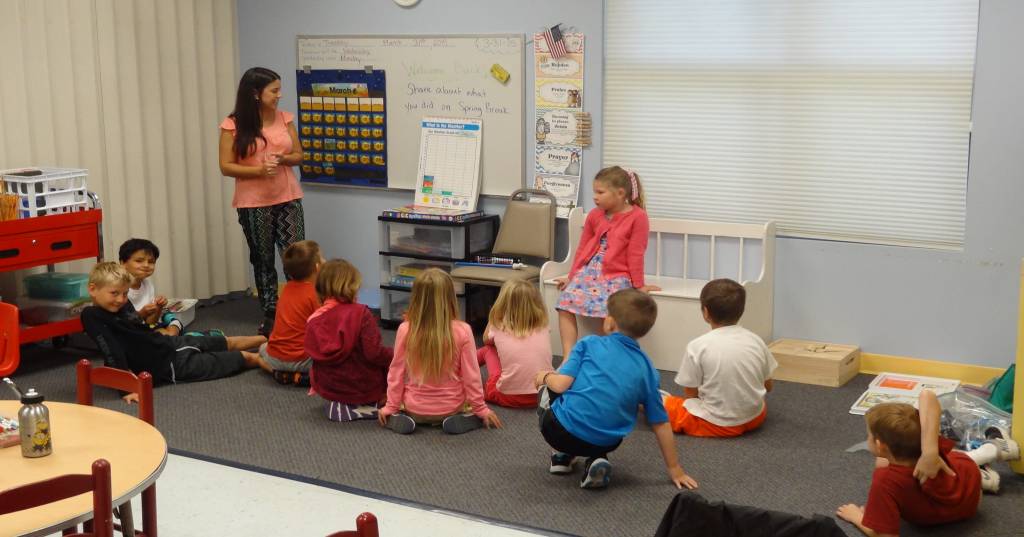
Hybrid homeschooling combines traditional home-based learning with classroom instruction provided by a teacher or tutor. In rural areas, this often means that students attend classes once or twice a week at a central location such as a community center or church.
The rest of the time, they complete coursework at home under the guidance of their parents or guardians. This model allows families to take advantage of the benefits of homeschooling while still providing access to qualified teachers and socialization opportunities.
Benefits of Rural Hybrid Homeschooling
One major benefit of hybrid homeschooling is that it provides structure and accountability without sacrificing the customization offered by traditional homeschooling. Students have dedicated class times and assignments from their teacher but are also able to work at their own pace on days when they’re not attending class.
Another advantage is that it allows families to pool resources and share costs associated with hiring a teacher or renting classroom space. This can make hybrid homeschooling an affordable option for those who might not otherwise be able to afford private schooling.
Additionally, attending classes once or twice a week provides opportunities for socialization with other children outside the immediate family unit. This can be particularly important in rural areas where there may not be many opportunities for kids to meet others their age.
Challenges of Rural Hybrid Homeschooling
Of course, no educational model is perfect, and there are some challenges associated with rural hybrid homeschooling. One potential issue is finding qualified teachers willing to work part-time hours for lower pay than they might receive in a traditional school setting.
Another challenge is ensuring that students receive consistent instruction both at home and in the classroom. It can be difficult to maintain continuity when coursework is split between two different settings.
Finally, families may struggle with the logistics of transportation to and from central class locations, particularly if they live far away or have multiple children attending classes on different days.
Conclusion
Rural hybrid homeschooling offers an attractive alternative for families living in remote areas who want to take advantage of the benefits of homeschooling without sacrificing access to qualified teachers or socialization opportunities. While there are unique challenges associated with this model, many families have found it to be a viable solution that meets their educational needs.
 Alternative Amie
Leave a comment