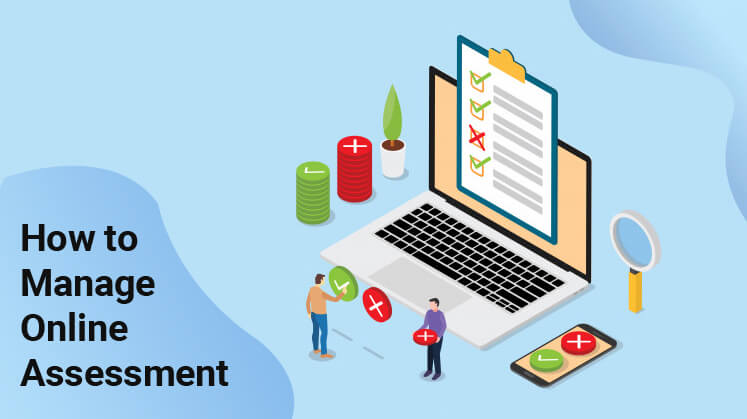
Online Assessments: Revolutionizing Alternative Schooling and Education
In recent years, online assessments have become increasingly popular in the field of education. With the rise of distance learning and alternative schooling options, it’s no surprise that educators are turning to technology to create innovative ways of assessing student learning. Online assessments offer a variety of benefits over traditional paper-based tests, including greater flexibility, increased accuracy and efficiency, and improved accessibility for students with disabilities or learning differences.
Flexibility
One key advantage of online assessments is their flexibility. Unlike traditional paper-based tests, which typically must be taken during a predetermined time period in a specific location (such as a classroom), online assessments can be accessed from anywhere with an internet connection at any time. This allows students to complete assignments at their own pace and on their own schedule, which can be particularly beneficial for those who need more time to process information or who have other obligations outside of school.
Another benefit of this flexibility is that it allows teachers to create customized assessments tailored to each individual student’s needs. For example, a teacher might assign different sets of questions based on whether a student has already mastered certain concepts or needs extra practice in specific areas. This kind of personalized assessment can help ensure that each student is challenged appropriately without being overwhelmed by material they don’t yet understand.
Accuracy and Efficiency
Another advantage of online assessments is their accuracy and efficiency compared to traditional paper-based tests. Because they are administered electronically, there is less chance for human error in scoring or recording results. Additionally, many online assessment platforms include automated grading systems that can quickly grade multiple-choice questions while providing immediate feedback on incorrect answers.
This not only saves teachers time but also provides valuable data about student performance that can inform future instruction decisions. For example, if several students consistently miss the same question on an assessment, it may indicate that additional instruction or review is needed in that area.
Accessibility
Finally, one major benefit offered by online assessments is increased accessibility for students with disabilities or learning differences. Traditional paper-based tests often present barriers for these students, who may struggle with reading and writing tasks or have difficulty completing timed assignments.
Online assessments can help level the playing field by providing alternative formats, such as audio recordings or visual aids, that accommodate different learning styles. They also allow for more flexible timing and pacing, which can be particularly helpful for students who need extra time to process information.
Best Practices
While online assessments offer many benefits over traditional paper-based tests, it’s important to follow best practices to ensure their effectiveness in measuring student learning. Here are a few tips:
1. Clearly define assessment goals: Before creating an online assessment, it’s important to clearly define what you want students to know and be able to do as a result of taking the test. This will help ensure that questions are aligned with your learning objectives and accurately assess student understanding of key concepts.
2. Consider question types carefully: While multiple-choice questions may be easier to grade automatically, they don’t always provide the most accurate picture of student learning. Consider using a mix of question types (such as short answer or essay questions) that require critical thinking and analysis skills.
3. Provide clear instructions: Make sure students understand exactly what is expected of them before beginning the assessment – including how much time they have to complete it and whether they can use outside resources like notes or textbooks.
4. Use data effectively: Once you’ve administered an online assessment, make sure you use the resulting data effectively to inform instruction decisions moving forward – whether that means planning additional review sessions on certain topics or adjusting lesson plans based on areas where most students struggled.
Conclusion
As technology continues to play an increasingly central role in education, it’s no surprise that educators are turning to online assessments as a way of measuring student learning in new ways. With greater flexibility, accuracy and efficiency than traditional paper-based tests along with increased accessibility for students with disabilities or learning differences, online assessments have the potential to revolutionize alternative schooling and education. By following best practices and using data effectively, educators can ensure that these assessments are a valuable tool in helping their students succeed.
 Alternative Amie
Leave a comment