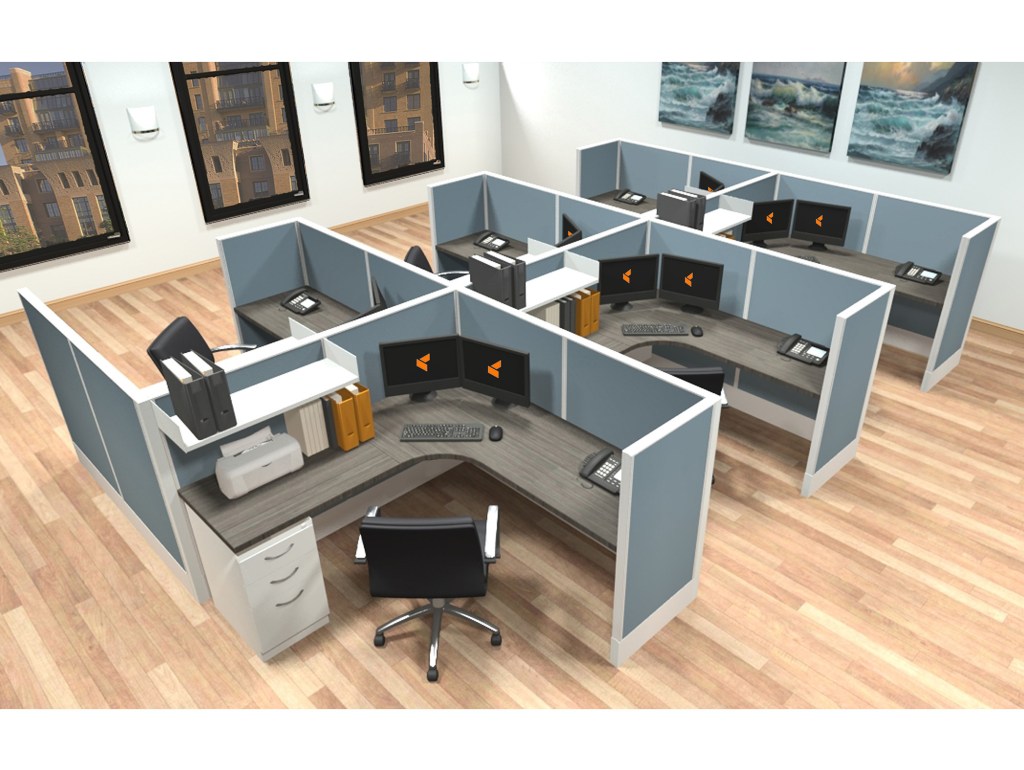
Modular Furniture for Group Workspaces: An Interview with a Workspace Designer
In the world of alternative schooling and education, group workspaces are important tools for promoting collaboration, creativity, and mutual learning. But how can these spaces be designed to promote effective teamwork while also accommodating the diverse needs and preferences of different users?
One solution is modular furniture, which offers flexibility and adaptability in creating customizable collaborative spaces. To learn more about this approach to workspace design, we spoke with Jane Kim, an experienced workspace designer who has worked extensively with modular furniture.
Q: What inspired you to specialize in designing group workspaces?
A: As a former educator myself, I know firsthand the challenges that teachers face when trying to create effective learning environments. One of the biggest challenges is finding ways to engage students in collaborative activities that foster inquiry-based learning. That’s where good workspace design comes into play.
Q: How does modular furniture support collaborative learning?
A: Modular furniture allows educators to create flexible spaces that can be easily reconfigured depending on their specific needs. For example, if a teacher wants students to work together on a project but also wants them to have some individual space for reflection or research, they could use movable partitions or screens that can be easily adjusted as needed.
Modular furniture also promotes creativity by allowing students to experiment with different layouts and configurations. By giving them control over their physical environment, teachers empower students to take ownership of their own learning process.
Q: What are some common misconceptions about modular furniture?
A: One misconception is that modular furniture is expensive or difficult to install. While it’s true that some high-end systems can be pricey, there are many affordable options available today that offer excellent quality at reasonable prices.
Another misconception is that modular furniture lacks durability or stability compared to traditional fixed furnishings. In fact, most modern systems are built using high-quality materials like steel frames and solid wood veneers or laminates for durability and stability.
Q: What are some key considerations when designing a group workspace with modular furniture?
A: One important consideration is the size and shape of the space itself. Modular furniture works best in spaces that are open, flexible, and easy to access from multiple directions. If your space is too small or irregularly shaped, you may need to consider other design options.
Another consideration is the ergonomic needs of different users. For example, if you’re designing a group workspace for young children, you’ll want to ensure that the furniture is appropriately sized and adjustable to accommodate their growing bodies.
Finally, it’s important to think about how technology will be integrated into your collaborative space. Will students need access to charging ports or other tech amenities? How will you manage cords and cables in an open environment?
Q: What advice would you give educators who are new to using modular furniture in their classrooms?
A: Start by experimenting with different configurations until you find what works best for your specific needs. Don’t be afraid to ask for help from experienced designers or suppliers who can provide guidance on selecting the right products and materials.
Also, don’t forget about maintenance! Modular furniture requires regular cleaning and upkeep just like any other type of furnishings.
In conclusion, modular furniture offers many advantages for creating effective group workspaces in alternative education settings. By promoting flexibility, adaptability, creativity, and collaboration among users of all ages and abilities. With careful planning and attention to detail during the design process – as well as ongoing maintenance – educators can create dynamic learning environments that foster inquiry-based learning while also accommodating diverse user needs.
 Alternative Amie
Leave a comment