Personalized Learning and Its Impact on Social-Emotional Development
Education is not just about imparting knowledge but also about shaping the overall personality of an individual. While traditional classroom teaching has been the norm for decades, it doesn’t always cater to the diverse learning needs of students. Personalized learning, on the other hand, takes into account each student’s unique abilities and tailors the curriculum accordingly. This approach has gained popularity in recent years owing to its effectiveness in enhancing academic performance as well as social-emotional development.
What is Personalized Learning?
Personalized learning refers to an educational approach that considers a student’s strengths, weaknesses, interests, and aspirations while designing a curriculum tailored to their individual needs. It involves using technology-enabled tools such as adaptive software applications that adjust instruction based on student responses in real-time or providing access to online resources that can be customized according to learners’ preferences.
A personalized learning environment aims at creating a flexible and supportive atmosphere where students can learn at their own pace and style while receiving guidance from teachers who act more like facilitators than mere instructors. This method emphasizes mastery-based learning rather than grade-based achievements.
Impact of Personalized Learning on Social-Emotional Development
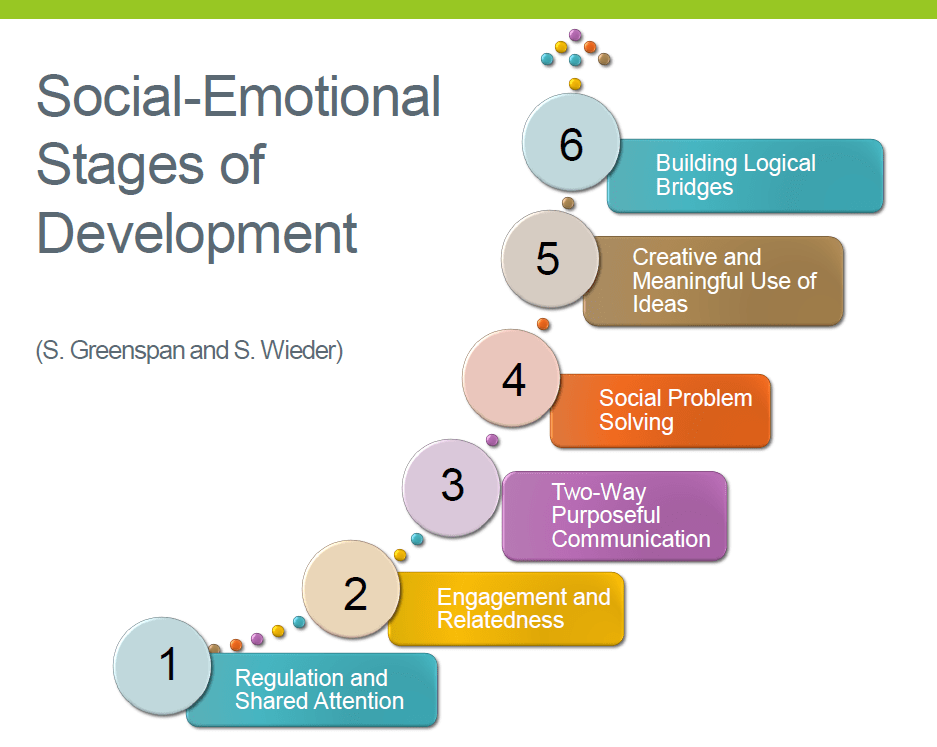
Social-emotional development is an essential aspect of education that focuses on developing skills such as self-awareness, self-regulation, empathy, communication skills, conflict resolution techniques among others. The social-emotional competencies are critical in enabling students to develop healthy relationships with others and cope with challenges they might face later in life.
The personalized learning model aligns perfectly with this goal as it enables students to take charge of their own learning process by setting goals for themselves based on their aptitude levels and interests. When learners are given control over what they learn and how they learn it, they become more engaged in the process which leads to higher motivation levels.
Moreover, personalized learning creates opportunities for collaboration between peers who share similar interests or have complementary skills. This collaboration fosters a sense of community and belongingness among students, which is crucial in the development of social-emotional competencies.
Personalized learning environments also provide opportunities for teachers to establish meaningful relationships with their students. By interacting with learners on an individual basis, educators can better understand their unique needs and offer personalized support that helps them overcome challenges they might face in their academic or personal lives.
One of the key benefits of personalized learning on social-emotional development is its ability to cater to diverse student populations. Students who come from disadvantaged backgrounds or have special needs often struggle in traditional classroom settings where one size fits all approach is followed. However, personalized learning takes into account these factors and designs appropriate curriculum models that cater to each learner’s specific requirements.
Additionally, technology-enabled tools used in personalized learning environments are designed to be accessible and user-friendly for differently-abled students. This ensures that no student feels left out or excluded from the learning process due to physical or cognitive limitations.
Challenges Faced by Personalized Learning
While personalized learning has several advantages over traditional classroom teaching methods, it also poses some challenges that need to be addressed before implementing it on a large scale.
One of the primary concerns is the cost involved in setting up a technology-rich environment required for effective implementation of this method. These costs include hardware such as laptops or tablets for each student along with high-speed internet connectivity and software licenses for adaptive programs used in teaching.
Another challenge faced by educators is ensuring that learners do not feel overwhelmed by too much choice offered through this method. While autonomy and control are essential aspects of personalized learning, excessive choices could lead to decision paralysis among some students who might require more guidance than others.
Moreover, there is a risk involved when it comes to maintaining data privacy while using online resources necessary for implementing this approach effectively. It requires strict measures such as firewalls and encryption protocols being put in place so as not to compromise student’s personal information.
Conclusion
Personalized learning is a promising approach that has the potential to revolutionize the way we teach and learn. By catering to each student’s unique needs, it fosters an environment of autonomy, motivation, and collaboration that enhances academic performance as well as social-emotional development. However, before implementing this method on a large scale, educators need to address issues such as cost-effectiveness and data privacy concerns while also ensuring that students receive adequate guidance during their learning journey. With proper planning and implementation strategies in place, personalized learning could become the future of education where learners can achieve their full potential without being held back by traditional teaching methods’ limitations.
 Alternative Amie
Leave a comment