Differentiated Instruction: Personalizing Learning for All Students
As a teacher, you know that every student is unique and has different learning needs. However, it can be challenging to meet the diverse needs of all your students in one classroom. This is where differentiated instruction comes into play. Differentiated instruction is an approach to teaching that personalizes learning for each student based on their individual strengths, interests, and needs.
What Is Differentiated Instruction?
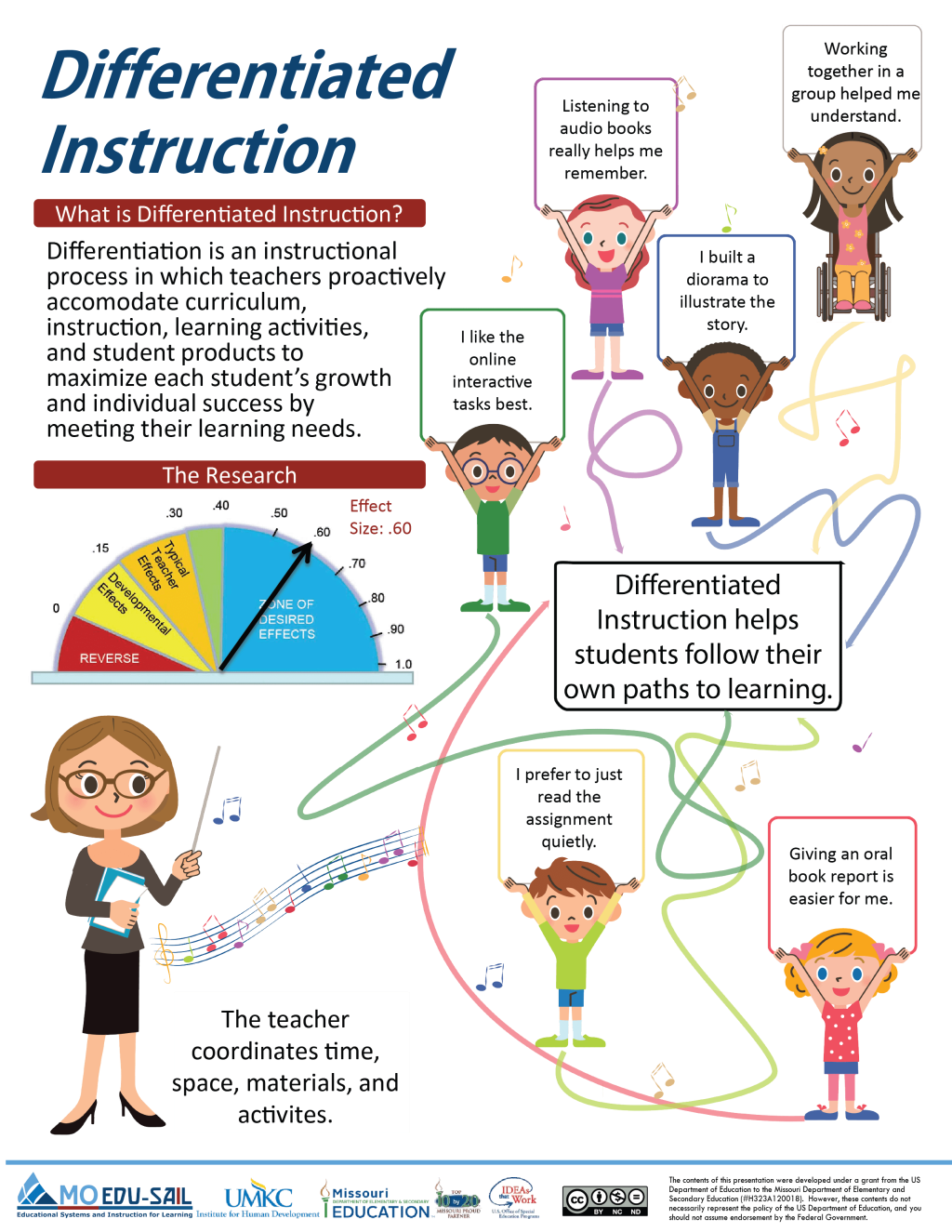
Differentiated instruction is a flexible approach to teaching that involves adjusting the content, process, and product of learning to meet the varied learning styles and abilities of students. It recognizes that every student has different backgrounds, experiences, interests, and needs that affect how they learn best.
The goal of differentiated instruction is to provide all students with access to high-quality instruction tailored to their unique strengths and challenges. By individualizing instruction for each student’s specific needs and preferences, teachers can help them achieve academic success while also developing essential skills like critical thinking, problem-solving, collaboration, and self-regulation.
Benefits of Differentiated Instruction
There are many benefits associated with using differentiated instruction in your classroom:
1) Personalized Learning – Every student learns differently; thus differentiation helps personalize education through various techniques.
2) Promotes Active Learning- When learners take charge of their own education by choosing what they want or need to study first hand; they are more engaged in class activities because there’s an element of choice involved which motivates them further than passive listening ever could have done before!
3) Encourages Collaboration – Learners work together when given tasks or projects which promotes communication skills development as well as teamwork abilities amongst peers who may not have had much interaction otherwise due mainly due differences among themselves but now find common ground within educational objectives set forth by teachers!
4) Improves Student Engagement – With its emphasis on tailoring lessons according to each learner’s pace & preferences within limits set up beforehand (using rubrics or other tools); students are more likely to be engaged in class activities as they’re able to connect with the material on a deeper level.
5) Increases Student Achievement – Differentiated instruction has been shown to improve student achievement across various grades and subjects. It helps reduce absenteeism, dropouts rates, and negative attitudes towards learning while boosting academic performance.
How To Implement Differentiated Instruction
Differentiating instruction may sound complicated, but it is not as difficult as you might think. Here are some steps you can follow to implement differentiated instruction in your classroom:
1) Identify Students’ Learning Styles – Understanding how your students learn best is essential when differentiating instruction. You can use surveys or observation techniques to identify their preferred learning styles (visual, auditory, kinesthetic).
2) Assess Students’ Skills and Knowledge Levels – Before planning lessons or activities, it’s important to assess where each student stands in terms of skills and knowledge levels for the subject being taught.
3) Plan Lessons that Meet Diverse Needs- Use the information gathered from step one & two above; create lesson plans that cater for all learners by including multiple ways of presenting content (visual aids such as pictures or videos), providing opportunities for hands-on work (experiments), varying assessment methods (oral presentations instead of written essays)
4) Provide Choice – Offering learners choices within limits set forth beforehand allows them more autonomy over their education which fosters confidence through self-discovery!
5) Monitor Progress & Adjust Accordingly – Regular assessments will help determine if differentiation is being effective; adjust tactics accordingly based on data collected during formative evaluation periods throughout term cycles.
Challenges of Differentiated Instruction
Despite its many benefits, implementing differentiated instruction can be challenging for teachers. Some common challenges include:
1) Time Constraints- Planning individualized lessons takes time hence teachers need efficient systems in place before implementing this approach effectively without burning out too quickly due mainly due workload demands from management personnel.
2) Limited Resources – Depending on the subject area, some teachers may have limited resources available to support differentiated instruction (such as science labs or technology tools).
3) Classroom Management – Differentiated instruction requires a lot of flexibility and can be challenging to manage in a classroom with multiple students who need different types of attention at different times.
4) Parental Concerns- Parents may feel left out when they see their children getting personalized education but not everyone else’s child; hence school management must ensure that parents are kept informed about this approach so they’re aware of how it works & why certain decisions were made regarding lesson delivery methods used for each student.
In Conclusion
Differentiated instruction is an effective approach to teaching that recognizes the unique learning needs and preferences of every student. It helps create a more inclusive classroom environment where all learners feel valued, engaged, and motivated to learn. By following these simple steps, you can start implementing differentiated instruction in your classroom today!
 Alternative Amie
Leave a comment