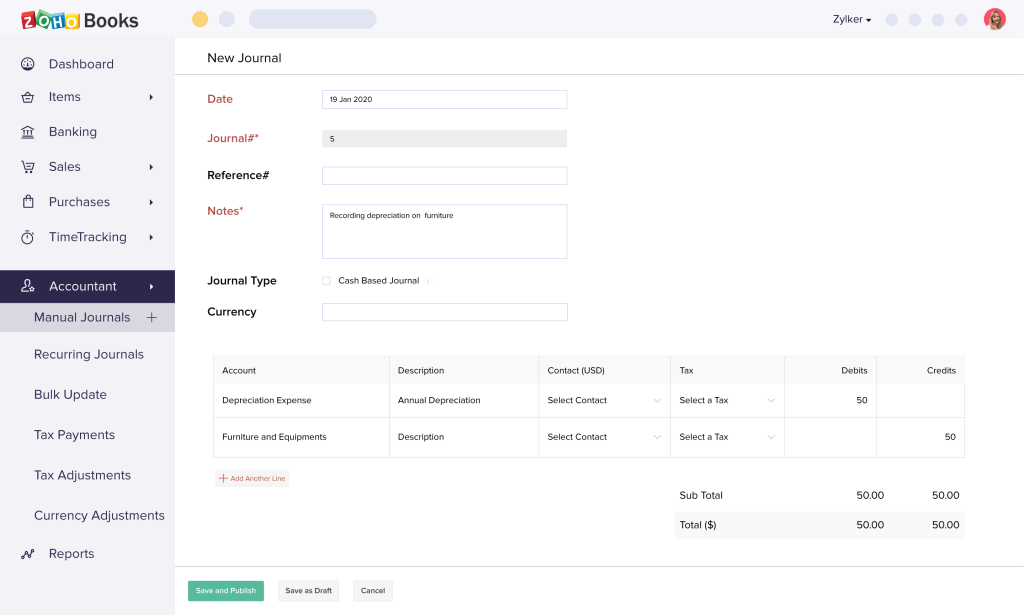
Interview with a Bookkeeping Expert
Bookkeeping is an essential part of running any business. It involves the recording and organizing of financial transactions to ensure that a company’s finances are accurate and up-to-date. To learn more about bookkeeping, we interviewed Jane Smith, a bookkeeping expert who has been in the industry for over 10 years.
Q: What inspired you to become a bookkeeper?
A: I have always had an interest in numbers and finance, but what really inspired me was seeing how disorganized some small businesses were when it came to their finances. I wanted to help these businesses get on track and stay organized so they could focus on growing their business.
Q: What are some common misconceptions people have about bookkeeping?
A: One common misconception is that bookkeepers just do data entry. While entering transactions is certainly part of the job, there is much more involved in keeping accurate records. We also need to reconcile accounts, generate financial reports, communicate with clients or accountants, and keep up-to-date with tax laws.
Another misconception is that anyone can do bookkeeping. While it may seem simple at first glance, there are many nuances involved that require specialized knowledge and training.
Q: How important is it for small businesses to keep accurate records?
A: It’s critical for small businesses to keep accurate records because it helps them make informed decisions about their finances. Without good record-keeping practices in place, they risk making poor decisions based on inaccurate information or even facing legal consequences if they don’t comply with tax laws.
Accurate record-keeping also makes it easier for businesses to secure financing or investors since lenders or investors want assurance that the business has solid financials before investing money into them.
Q: What software programs do you recommend for bookkeeping?
A: There are many great software programs available today which can be used by individuals without accounting background as well as professionals like us who work with accounting and bookkeeping. Some top software options include QuickBooks, Xero, FreshBooks, and Wave. However, it’s important to choose a program that meets the specific needs of your business.
Q: What are some common bookkeeping mistakes businesses make?
A: One common mistake is failing to reconcile accounts regularly. This means comparing bank statements to internal records in order to identify any discrepancies or errors. Failing to do so can lead to inaccurate financials which could result in penalties or legal issues.
Another mistake is mixing personal and business expenses. It’s essential for small business owners to keep their personal finances separate from their company’s finances if they want accurate records for tax purposes.
Finally, another common mistake is not keeping receipts or documentation for expenses. Without proper documentation, it can be difficult for businesses to prove expenses when filing taxes or conducting an audit.
Q: What advice would you give someone who wants to become a bookkeeper?
A: If you’re interested in becoming a bookkeeper, I recommend getting formal training through courses online or at a local college so you can understand all aspects of the job better as well as stay updated on changing tax laws and regulations.
You should also consider getting certified by organizations such as the American Institute of Professional Bookkeepers (AIPB) which offer certifications that demonstrate your knowledge and expertise in the field.
To gain more experience, look for internships with experienced accountants/bookkeepers where you can learn on-the-job skills.
Finally, keep up-to-date with industry news through online forums like Reddit/r/Bookkeeping/, conferences/seminars/webinars etc., which will help enhance your knowledge base over time.
In conclusion,
Bookkeeping may seem like a daunting task but it’s an essential part of running any successful business. Keeping accurate records not only helps businesses make informed decisions but also ensures compliance with tax laws while securing financing/investors if needed.
While there are many software options available today, it’s essential to choose one that meets your specific business needs.
Avoiding common mistakes like failing to reconcile accounts regularly, mixing personal and business expenses or not keeping receipts/documentation is crucial for accurate financials.
For those interested in becoming bookkeepers, formal training through courses/online programs as well as certification by organizations such as AIPB can help you gain the knowledge and experience necessary to succeed in this field.
 Alternative Amie
Leave a comment