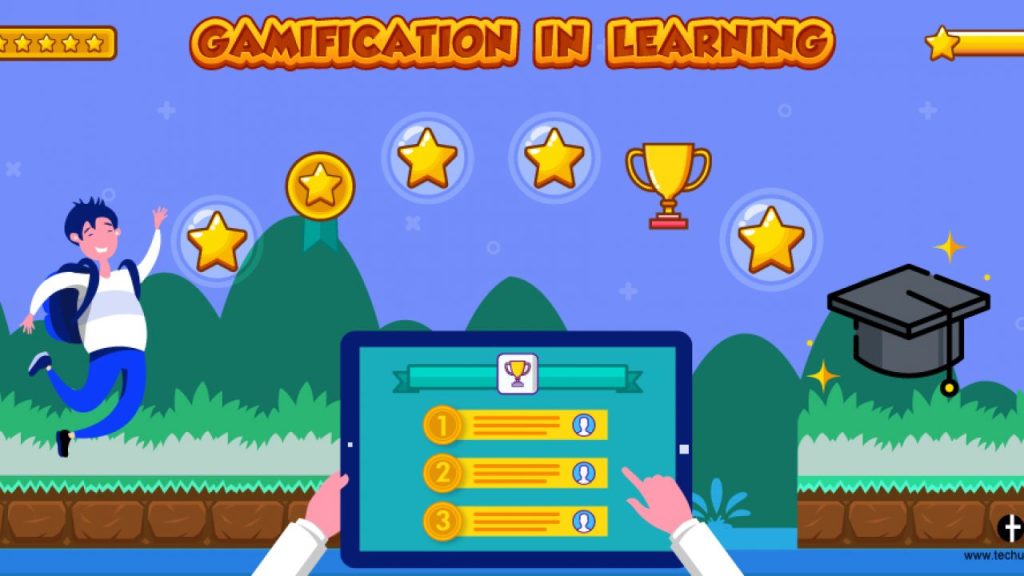
Gamification is a popular approach to make learning more engaging and interactive. It refers to the use of game design elements in non-game contexts, such as education, to motivate and encourage learners to participate actively in the learning process. The concept has been gaining popularity in recent years because it offers an innovative way of teaching that appeals to students who have grown up with technology.
One of the major advantages of gamification is that it can turn mundane tasks into fun activities. Instead of sitting through long lectures or reading textbooks, students get excited about learning by playing educational games. Gamified lessons are designed with clear goals and objectives, making it easier for students to track their progress and stay motivated throughout the course.
Another benefit of gamification is that it promotes active learning. When students play games, they become active participants in their own education rather than passive recipients of information. They learn by doing instead of just listening or reading, which leads to better retention and understanding.
Gamification also helps teachers provide instant feedback on student performance. Games come with built-in mechanisms for tracking progress and providing feedback on mistakes or achievements. This real-time feedback enables teachers to identify areas where students need more support or challenge them further if they’re excelling.
Moreover, gamification encourages collaboration among peers as well as self-directed learning skills. Educational games often require teamwork and cooperation between players which lead towards group efforts while individualized modules help develop self-paced strategies for mastery over subject matter.
In conclusion, gamification is a powerful tool for educators looking to make learning fun and engaging for their students while promoting critical thinking skills along with creativity within an alternative schooling setting. With its ability to promote active participation, provide instant feedbacks and foster teamwork & collaboration among peers; this method not only benefits but also improves academic outcomes amongst learners who may otherwise struggle within traditional classrooms settings or face challenges like ADHD/ADD etcetera – making it an excellent choice for schools looking at alternative learning methods.
 Alternative Amie
Leave a comment