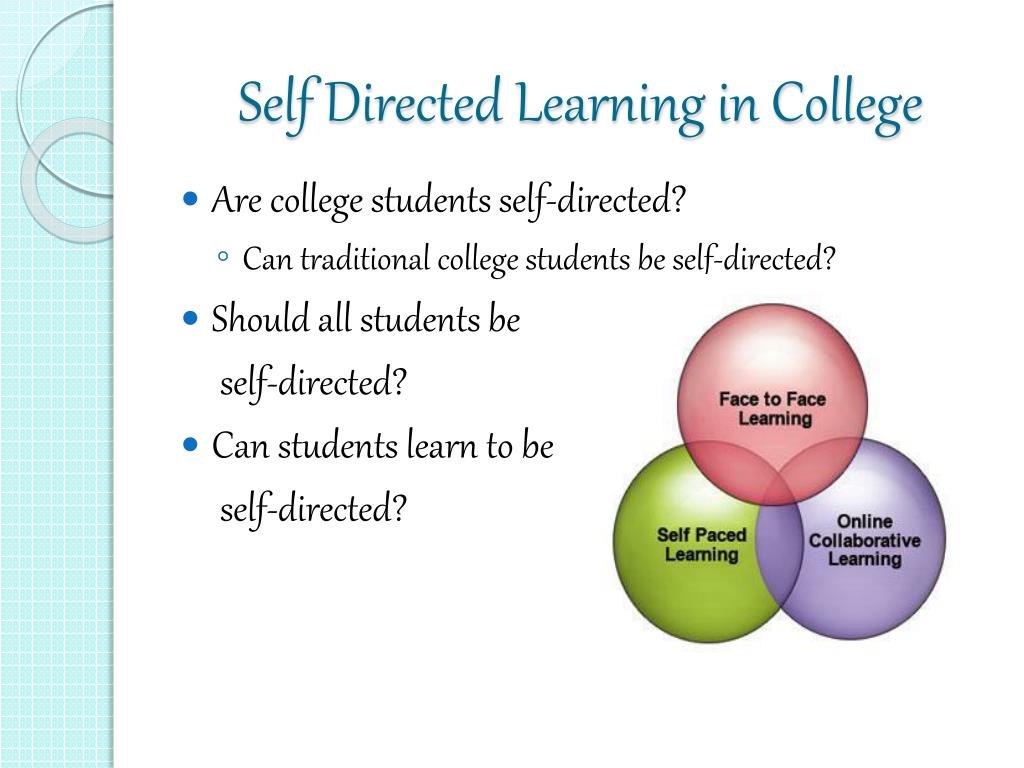
Self-Directed Learning: Empowering Students to Take Control of their Education
In traditional education, students are expected to follow a set curriculum and learn within the confines of a structured classroom. However, for some students, this approach can be limiting and not conducive to their individual learning styles or interests. That’s where self-directed learning comes in as an alternative approach that empowers students to take control of their education.
What is Self-Directed Learning?
Self-directed learning is an educational philosophy that emphasizes student autonomy and ownership over the learning process. It allows learners to take charge of what they want to learn, how they want to learn it, and when they want to learn it.
In self-directed learning environments, there is no strict curriculum or teacher-led instruction. Instead, learners have access to resources such as books, videos, online courses, mentors or coaches who can guide them through the material while allowing them the freedom to explore topics at their own pace.
The Role of Teachers in Self-Directed Learning
While teachers may still play a role in self-directed learning environments as guides or mentors rather than instructors who dictate what should be learned. They help create a supportive environment where students can develop essential skills such as critical thinking and problem-solving skills.
Teachers can also help foster collaboration among learners by providing opportunities for group projects or discussions on various subjects related topics. This way learners get feedback from others which helps in refining their ideas further.
Benefits of Self-Directed Learning
1) Develops Critical Thinking Skills
Self-directed learning provides opportunities for independent thinking and analysis- essential skills that are increasingly important in today’s world where innovation drives progress. Learners who practice self-direction become adept at evaluating information critically which helps them make informed decisions based on facts rather than emotions.
2) Encourages Creativity & Innovation
With no rigid structure dictating what should be learned next – self-directed learners have more space for creativity and innovation since they can explore topics that interest them. This approach allows learners to tap into their curiosity and creativity, leading to new discoveries.
3) Builds Self-Motivation & Responsibility
Self-directed learning helps students develop self-motivation and responsibility for their education since they are in control of the learning process. They learn how to set goals, plan their time effectively, manage resources, and assess progress. These skills are valuable not only in academics but also in life as a whole.
4) Promotes Lifelong Learning
The ability to learn independently is an essential skill that will serve learners throughout their lives. With self-directed learning, students become lifelong learners who take charge of their education even after graduating from school or college.
5) Personalized Learning Experience
Self-directed learning allows learners to tailor the educational experience according to individual preferences and interests. Students can choose topics that align with career aspirations or passions which leads to higher engagement levels.
Challenges in Implementing Self-Directed Learning
While self-directed learning has many benefits- implementing it can present some challenges:
1) Lack of Structure
Students used to traditional classrooms may struggle with a lack of structure during the initial phase of transitioning into a self-directed environment without clear guidelines on what should be learned next or when assignments are due.
2) Time Management Issues
With no strict schedule dictating when things need completing- students may find themselves struggling with time management issues if they have trouble prioritizing tasks efficiently.
3) Lack of Motivation
Some students might not have enough motivation or drive initially- which could lead them towards procrastination rather than utilizing the freedom provided by this method fully.
Conclusion
In conclusion- Self-Directed Learning provides ample opportunities for personal growth while creating independent thinkers capable of adapting quickly to change across different fields. It empowers individuals by giving them control over what they want to learn, how they want it done- making way for more personalized experiences tailored specifically towards one’s interests and passions. However, it is important to note that implementing self-directed learning can present challenges- so it’s essential to approach the transition thoughtfully with a strong support system in place.
 Alternative Amie
Leave a comment