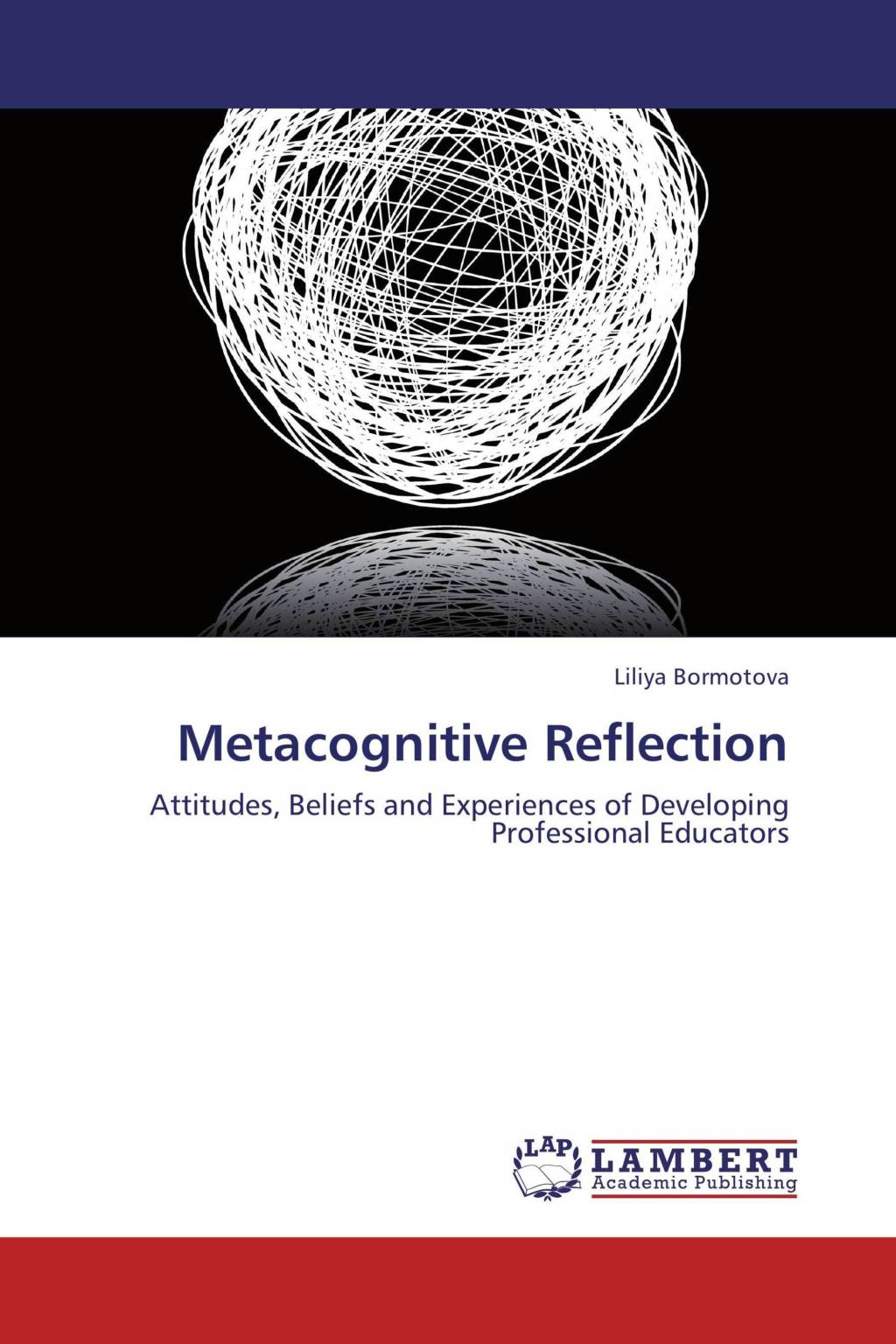
Metacognition and Reflection are two crucial elements that aid in the learning process of students. Metacognition refers to thinking about thinking, while reflection is a way of reviewing experiences to learn from them. In Alternative Schooling and Education, these concepts are highly valued as they encourage self-directed learning, which is one of the core principles of alternative education.
In this article, we will discuss eight ways in which metacognition and reflection can be incorporated into teaching practices to help students become more effective learners.
1. Encourage Self-Awareness
One key aspect of metacognition is self-awareness – understanding one’s own thought processes and how they affect learning outcomes. Teachers should encourage their students to reflect on their thinking patterns by asking questions like “What did you find challenging?” or “How did you approach this problem?” This helps students recognize their strengths and weaknesses and identify areas where improvement is needed.
2. Teach Goal-Setting
Goal-setting is an essential component of metacognitive strategies as it helps learners focus on what they want to achieve. Teachers can help their students set specific goals for individual assignments or projects, allowing them to measure progress along the way. This encourages learners to take responsibility for their own learning journey.
3. Provide Opportunities for Reflection
Reflection time after completing a task or project allows learners to review what they have learned, identify strengths and weaknesses in their approach, evaluate outcomes and consider how they can improve future performance. Teachers should provide opportunities for regular reflection through journaling activities or group discussions.
4. Use Metacognitive Strategies During Class Time
Teachers can use various techniques during class time that promote metacognitive strategies such as think-alouds (where teachers verbalize thought processes), brainstorming sessions with visual aids like mind maps or graphic organizers, discussion groups that require critical analysis skills, etc.
5. Encourage Collaborative Learning
Collaborative learning activities allow students to practice communication skills, share ideas and perspectives, and learn from one another’s strengths. This type of learning also encourages metacognitive thinking as learners need to be aware of their own thought processes while working with others.
6. Use Feedback Effectively
Feedback is an essential tool for promoting reflection in students. Teachers should provide constructive feedback that focuses on specific areas for improvement rather than criticizing the entire work. Students can then reflect on this feedback and use it to improve future performance.
7. Promote Self-Regulated Learning
Self-regulated learning involves setting goals, monitoring progress towards those goals, adjusting strategies when necessary, and reflecting on outcomes. Teachers can help students develop these skills by modeling self-regulation techniques such as time management or organization strategies.
8. Emphasize the Value of Mistakes
Mistakes are a natural part of the learning process; they allow us to recognize what doesn’t work so we can adjust our approach accordingly. Teachers should emphasize the value of mistakes as opportunities for growth rather than something to be ashamed of.
In conclusion, incorporating metacognition and reflection into teaching practices helps create an environment that promotes critical thinking, problem-solving skills, and self-directed learning – all essential components of alternative education principles. By encouraging learners to think about their own thought processes and experiences through these eight methods outlined above, teachers will help them become more effective learners capable of achieving success both inside and outside the classroom.
 Alternative Amie
Leave a comment