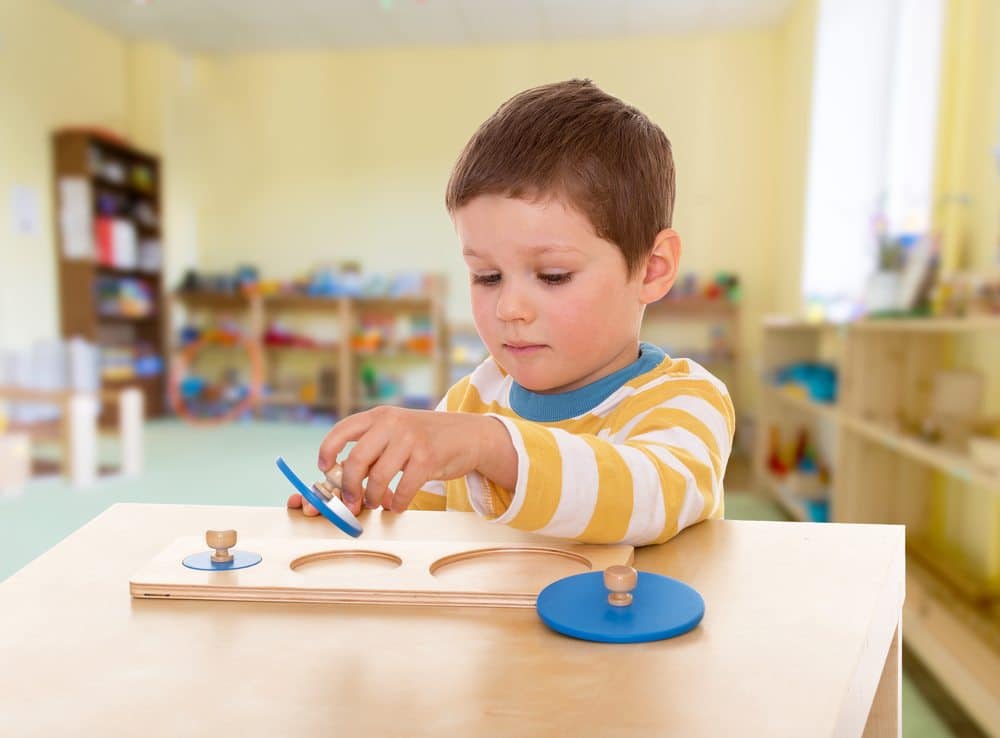
The Montessori method is a popular educational approach that focuses on child-centered learning and independence. Developed by Italian physician Maria Montessori in the early 1900s, this method has gained popularity all around the world.
One of the key components of the Montessori method is the role of the teacher. In a traditional classroom setting, teachers are seen as authority figures who impart knowledge to students. However, in a Montessori classroom, teachers act as facilitators or guides who help children learn through exploration and discovery.
Montessori materials play an important role in this type of learning environment. These materials are designed to be hands-on and interactive, allowing children to explore concepts at their own pace while gaining practical skills along the way. For example, wooden blocks can be used for counting and mathematical operations while sandpaper letters can help children learn how to write.
While technology is often viewed as antithetical to Montessori principles due to its passive nature, it can still have a place in these classrooms if used appropriately. Technology can enhance certain aspects of learning such as language acquisition or provide opportunities for research projects.
Mixed-age classrooms are another unique feature of the Montessori method that allows older children to mentor younger ones while fostering cooperation and empathy among peers. This also allows students with varying levels of ability to work together without feeling stigmatized or left behind.
For children with special needs, Montessori education provides individualized attention that caters specifically towards their developmental strengths and weaknesses. Teachers work closely with parents and specialists to create personalized plans tailored towards each child’s needs.
Outdoor education is also highly valued within the Montessori approach as it encourages students’ connection with nature while promoting physical activity and socialization through collaborative activities like gardening or building outdoor structures.
Encouraging independence is one of the core values instilled into students within a Montessori environment which helps them develop self-confidence and self-motivation. This approach encourages students to take responsibility for their own learning and decision-making while also allowing them to work at their own pace.
Parents play an important role in a Montessori education as they are encouraged to be active partners in their child’s learning journey. They are invited into the classroom, given regular updates on their child’s progress, and provided with resources to help support learning at home.
For families who want to implement the Montessori method into their homes, there are many resources available such as books, online courses or workshops that can provide guidance on how to create a Montessori-inspired environment that supports young children’s development.
Cultural studies is another important aspect of the Montessori curriculum that exposes children to different cultures and perspectives fostering empathy and respect towards diverse backgrounds. Music and art are also integrated into the curriculum as they have been found to enhance creativity and cognitive development among students.
Social-emotional development is another key component of the Montessori approach which emphasizes building positive relationships between peers through activities like storytelling or conflict resolution exercises. Language immersion programs offer opportunities for bilingualism which has been shown to increase cognitive flexibility among young learners.
Mindfulness practices such as meditation or yoga are becoming increasingly incorporated into Montessori curriculums due to its benefits in reducing stress levels while promoting focus and relaxation among students.
The history of the Montessori method reveals its evolution over time from its origins in Italy until today where it has become a popular choice for parents seeking alternative educational approaches around the world.
Creating a peaceful classroom community is one of the primary goals within the Montessori approach which fosters mutual respect, collaboration, self-discipline along with social skills crucial for success beyond school life.
In conclusion, there are many elements involved in creating an effective Montessori education plan including understanding teacher roles; using interactive materials; incorporating technology appropriately; implementing mixed-age classrooms; accommodating special needs students; encouraging independence and self-motivation in students; involving parents as partners in the learning journey; cultural studies, music, and art integration in the curriculum; supporting social-emotional development through mindfulness practices and storytelling exercises. All these elements have been found to contribute to a successful Montessori education experience that prepares students for long-term academic success while instilling values of respect, collaboration, empathy, and creativity.
 Alternative Amie
Leave a comment