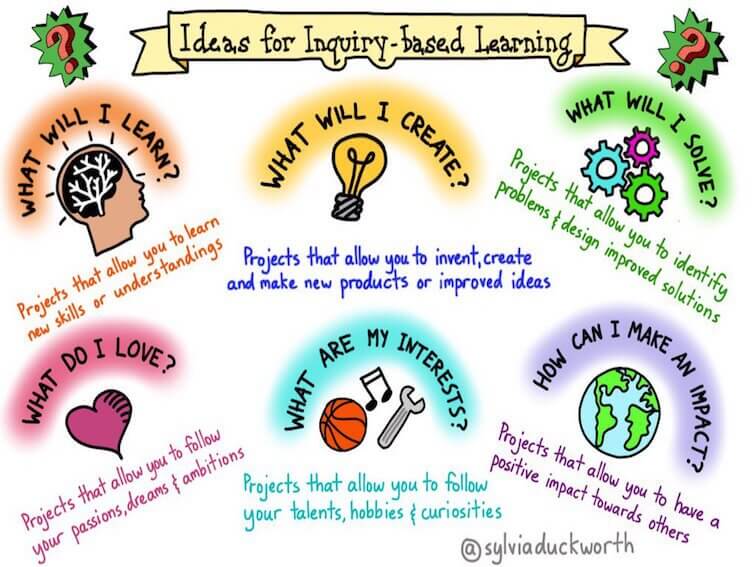
Inquiry-based learning is a teaching and learning approach that emphasizes the role of students as active learners who ask questions, explore ideas, and construct their own knowledge through investigation. It encourages critical thinking, problem-solving, creativity, and collaboration among learners. Unlike traditional teacher-centered approaches where teachers transmit information to students in a linear fashion, inquiry-based learning promotes student-centered approaches where students take charge of their own learning by asking questions that help them understand concepts deeply.
Inquiry-based learning has been shown to have several benefits for both teachers and students alike. One such benefit is increased engagement among learners. When students are given the freedom to explore topics they find interesting or relevant to their lives outside the classroom, they become more invested in their education. This can lead to greater motivation and better academic performance.
Another benefit of inquiry-based learning is improved retention of knowledge. Because inquiry-based learning encourages deep understanding rather than surface-level memorization, students are more likely to remember what they learn long after they leave the classroom. Inquiry-based learning also teaches critical thinking skills that are transferable across different contexts.
One study published in the Journal of Educational Psychology found that inquiry-based teaching was associated with higher levels of student achievement compared to traditional instruction methods across various grade levels and subjects (science, social studies). The authors hypothesized that this was because inquiry-based instruction promoted deeper understanding and longer-lasting retention of learned material.
Inquiry-based instruction can be implemented in various ways depending on subject matter or grade level but typically involves guided exploration followed by reflection or discussion about what was discovered during exploration time periods. Teachers may provide some initial direction at first but then allow for student-led inquiries allowing for opportunities for self-discovery.
Inquiry-Based Instruction has been used widely within alternative schools as it aligns with many principles encouraged within these environments such as autonomy over one’s education pathway along with educational relevance towards personal interests or experiences which often motivates deeper engagement into one’s own learning.
While inquiry-based instruction is highly beneficial, it does come with some challenges. For example, implementing this approach requires a significant amount of planning and preparation on the teacher’s part. Teachers must be skilled in designing effective inquiry-based activities that are both challenging and engaging for students.
Furthermore, student-centered approaches can also lead to less control over classroom management compared to traditional methods where teachers have more power over instruction and classroom behavior. This means that teachers must be able to effectively manage their classrooms while still allowing for student autonomy.
Inquiry-Based Instruction has been able to provide many alternative schools the opportunity for students who do not fit well within conventional educational structures but are willing to learn through exploration which provides various benefits towards their academic engagement and success rates.
Despite these challenges, inquiry-based learning remains an essential component of any effective teaching and learning strategy. By promoting critical thinking skills, problem-solving abilities, creativity, collaboration among learners along with increased motivation towards self-directed learning pathways, Inquiry-Based Instruction has become increasingly popular amongst Alternative Schools as it aligns with many core principles they advocate.
To successfully implement inquiry-based learning within your classroom or alternative education system setting involves recognizing its importance and understanding how you can create engaging opportunities that promote deep understanding by fostering curiosity-driven exploration through various resources such as hands-on materials or technology platforms supporting research into an area of interest or passion for students while providing necessary guidance from educators when required.
 Alternative Amie
Leave a comment