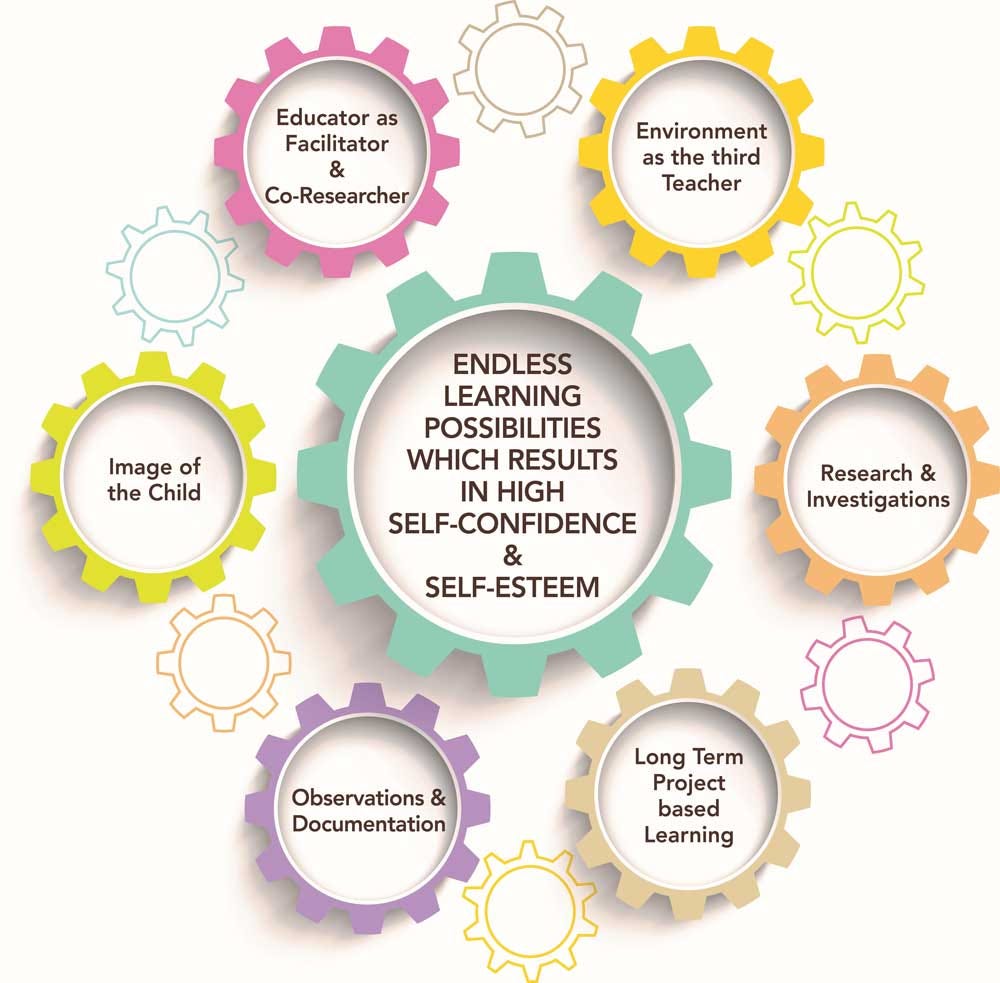
Reggio Emilia Approach: A Comprehensive Guide
Alternative schooling and education have been gaining popularity in recent years, as people begin to realize that the traditional approach to education may not be suitable for everyone. One of the most popular alternative approaches is the Reggio Emilia Approach, which originated in Italy after World War II. In this post, we will provide a comprehensive guide to the Reggio Emilia Approach and explain why it has become so popular among educators worldwide.
What is the Reggio Emilia Approach?
The Reggio Emilia Approach is an educational philosophy that emphasizes child-centered learning through exploration and discovery. This approach values creativity and encourages children to express themselves through various forms of art such as painting, drawing, sculpting, and drama.
One of the fundamental principles of this approach is that children are capable learners who can construct their own knowledge through interactions with their environment. The teachers act as facilitators or guides rather than instructors; they observe what interests each child and then create activities based on those interests.
Another important aspect of this approach is collaboration between children, teachers, parents, and community members. Each one brings unique experiences and perspectives that enriches learning experiences for all involved parties.
History of the Reggio Emilia Approach
The Reggio Emilia Approach was developed by Loris Malaguzzi shortly after World War II in northern Italy’s town called Reggio Emilia. During this time period, parents who were unhappy with Mussolini’s fascist regime wanted a new kind of education system for their children—one that emphasized democracy over authoritarianism.
Malaguzzi collaborated with these parents to develop an educational philosophy based on progressive ideas from around the world. He believed that every child had innate curiosity about the world around them—this curiosity could be harnessed by creating an environment where students felt safe enough to explore freely without fear or judgment.
Over time, his innovative method gained recognition globally due to its success rate in producing well-rounded individuals who are independent, self-directed learners.
Key principles of the Reggio Emilia Approach
The following are some of the critical principles that govern this educational philosophy:
1. Emergent Curriculum: This is an approach to teaching where curriculum planning takes place in response to what children are interested in learning. It emphasizes collaboration between teachers and students.
2. Child-Centered Learning: Children take the lead in their own learning while teachers offer support and guidance as needed.
3. The Role of Environment: The environment plays a crucial role because it should be designed to facilitate exploration, discovery, and play-based learning. This includes natural light, open spaces for movement and experimentation with materials such as water or sand tables.
4. Documentation: Teachers document children’s work through photographs, written notes, audio recordings or videos so they can reflect on progress over time.
5. Parental Involvement: Parents are seen as partners in education who work alongside teachers to create meaningful experiences based on each child’s interests and needs.
6. Multi-sensory learning: Students learn through all five senses—sight, sound, touch, taste and smell—to develop a holistic understanding of the world around them.
7. Collaborative Learning Experiences: Collaboration between students allows them to share ideas with one another while also developing social skills like empathy and communication skills that will serve them throughout life.
Benefits of the Reggio Emilia Approach
The benefits of using this approach include:
1) Developmentally Appropriate Learning – The curriculum is tailored according to every student’s developmental stage so they can learn at their own pace without feeling left behind;
2) Promotes Creativity – This approach fosters creativity by encouraging children to express themselves through various forms of art;
3) Encourages Self-Directed Learning – It emphasizes self-direction which allows kids the freedom they need for exploring new ideas independently;
4) Develops Social Skills – It provides opportunities for children to interact with others in a safe and supportive environment, developing their communication and social skills.
5) Encourages Critical Thinking – The approach helps learners develop critical thinking skills by engaging them in problem-solving activities that promote inquiry-based learning.
6) Builds Confidence – This approach focuses on the strengths of each child, building self-esteem and confidence as they learn new things.
Challenges of the Reggio Emilia Approach
There are some challenges to implementing this approach successfully. One is that it requires teachers who have specialized training in understanding its principles. Also, the method can be more time-consuming than traditional teaching methods because students may take longer to master concepts when they are not being explicitly taught.
Another challenge is that parents may not initially understand what goes into this educational philosophy; it takes time for them to appreciate how their child learns best through exploration rather than rote memorization or repetitive drills.
However, despite these challenges, many educators believe that the benefits far outweigh any obstacles faced along the way.
Conclusion
The Reggio Emilia Approach has become increasingly popular among educators around the world due to its emphasis on creativity and discovery-based learning. Its focus on collaboration between students, teachers, parents and community members makes it an effective model for creating meaningful experiences based on each individual’s interests and needs.
While there are challenges associated with implementing this approach successfully such as requiring specialized teacher training or being more time-consuming than traditional methods—many argue that these drawbacks pale in comparison to its numerous benefits like developmentally appropriate learning opportunities tailored according to every student’s developmental stage so they could learn at their own pace without feeling left behind; promoting creativity through various forms of art; encouraging self-directed learning emphasizing freedom which allows kids space needed explore new ideas independently; develops social skills allowing children interaction others safely while supporting communication
Overall, if you’re looking for an alternative education system focused on fostering creativity while providing opportunities for collaborative learning experiences, then the Reggio Emilia Approach may be worth exploring.
 Alternative Amie
Leave a comment