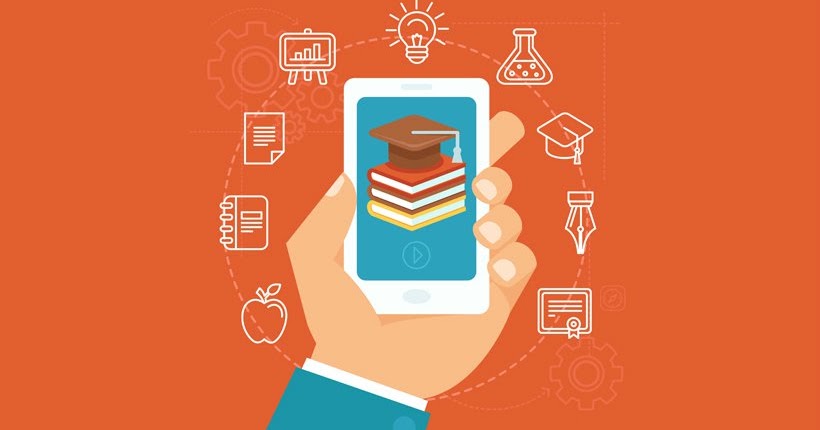
Mobile Learning: The Evolution of Education
Education has come a long way since the days of chalkboards and textbooks. With the advent of technology, learning has become more accessible, interactive, and engaging. One such technological advancement that is revolutionizing education is Mobile Learning or m-learning.
M-learning refers to the use of mobile devices such as smartphones, tablets, and laptops to access educational content and resources anytime, anywhere. It allows learners to participate in learning activities without being restricted by location or time.
The history of m-learning dates back to 2000 when Palm Pilots were first used as educational tools for medical students. However, it wasn’t until the mid-2000s with the introduction of smartphones that m-learning gained widespread popularity. Today, with over 5 billion people owning mobile devices globally (Statista), m-learning is becoming an integral part of modern education.
One significant advantage of m-learning is its flexibility in terms of delivery methods and content formats. Learners can access various types of multimedia content such as videos, podcasts, quizzes, games, simulations among others through their mobile devices.
Additionally, M-learning offers a personalized learning experience where learners can tailor their learning journey according to their pace and preferences. With features like adaptive learning algorithms and data analytics tools on some platforms enable instructors to track learner progress while providing customized feedback based on individual performance.
Moreover, M-Learning’s accessibility has opened up opportunities for individuals who have limited access to traditional forms of education due to financial constraints or geographical limitations. E-Books are available at affordable prices compared with print books; online courses are mostly free or cost less than conventional classroom-based courses; thus making learning more accessible for everyone regardless of background or location.
Furthermore using mobile apps like Duolingo enables language learners worldwide easy access at any moment they desire from wherever they may find themselves in order to improve their skills quickly without spending money on traditional classrooms or private tutors..
M-learning has also proven to be a useful tool in enhancing collaboration and communication among learners. With features like messaging platforms, discussion forums, and social media integration on some platforms, it’s easier for learners to communicate and collaborate with each other even when they are miles apart.
In addition to its many benefits, m-learning also presents some challenges that need to be addressed. One of the primary concerns is ensuring that mobile devices are secure from cyber threats such as hacking or phishing scams since these threats can compromise the safety of sensitive information stored on these devices.
Another challenge is addressing the issue of accessibility for individuals with disabilities. While mobile devices have made learning more accessible for many people, there is still a need to ensure that individuals with disabilities can access educational content without any barriers or limitations.
Moreover one significant concern surrounding m-learning is the potential for overreliance on technology at the expense of human interaction which could lead to a loss of valuable interpersonal skills and emotional intelligence.
Despite these challenges, M-Learning continues to gain traction worldwide due to its numerous benefits. The future looks bright for this innovative form of education as more institutions continue adopting technology-based learning strategies.
In conclusion, m-learning represents an exciting new chapter in education history by offering flexibility, accessibility, personalization while providing opportunities for global collaboration; all through handheld digital devices like smartphones and tablets. As we continue evolving into a digital age where technology plays an essential role in our lives daily; we must embrace this new way of learning if we want our children’s futures filled with endless possibilities beyond what traditional schooling systems offer today.
Mobile Learning will undoubtedly play an integral part in shaping the future landscape of education by bridging gaps between genders within different cultures as well as leveling playing fields between developed countries versus underdeveloped nations – making it possible for anyone who wants quality knowledge access no matter their location or financial status!
 Alternative Amie
Leave a comment