As the world is becoming increasingly urbanized, children are spending less and less time in nature. This lack of interaction with the natural environment has resulted in a decline in physical activity levels, increased stress levels, and a weaker connection to our planet.
Fortunately, there is an alternative to traditional classroom-based learning that can help address this problem: outdoor learning. This approach involves taking students outside of the typical classroom setting and using nature as a tool for education.
In this post, we will explore how outdoor learning can benefit students of all ages and provide tips for incorporating outdoor learning into your curriculum.
The Benefits of Outdoor Learning
Outdoor learning offers numerous benefits for students beyond just exposure to nature. Here are some key advantages:
1. Improved Physical Health
Outdoor activities encourage physical movement and exercise, which can improve overall health by reducing the risk of obesity, heart disease, diabetes, and other chronic conditions. Additionally, being outdoors exposes us to sunlight which helps our bodies produce vitamin D – essential for strong bones.
2. Enhanced Mental Health
Research has shown that spending time outdoors can reduce stress levels and alleviate symptoms of anxiety or depression. Nature also provides opportunities for mindfulness practices such as meditation or yoga.
3. Better Academic Performance
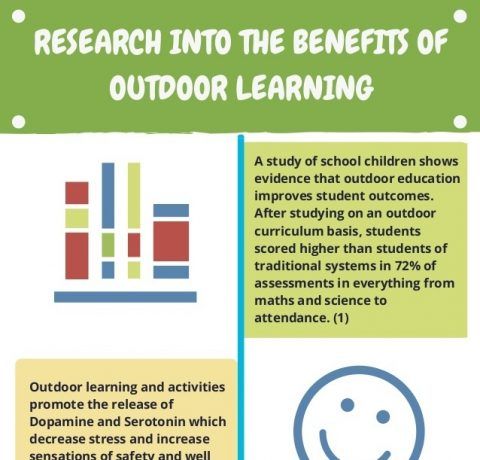
Studies have found that outdoor education leads to improved academic performance across various subjects including science, math, language arts and social studies. Being immersed in real-world settings can provide a more engaging way to learn concepts compared to reading about them from textbooks alone.
4. Increased Creativity & Problem-Solving Skills
Being out in nature stimulates creativity by providing new sensory experiences that foster imagination and critical thinking skills needed when facing unfamiliar situations or problems..
5 Tips for Incorporating Outdoor Learning into Your Curriculum
If you’re interested in implementing outdoor learning into your educational program but aren’t sure where to start here are some helpful tips:
1) Start small
You don’t need an entire forest on campus – start with simple projects like creating an outdoor garden or taking a class outside for a guided lesson.
2) Plan ahead
Make sure to have all the necessary equipment, materials and safety measures in place before embarking on any outdoor learning activity.
3) Create partnerships
Partner with other educators, community organizations, or businesses that can help support your efforts. You might also consider seeking out grants or donations to fund your outdoor education program.
4) Emphasize hands-on learning
Use nature as a tool for experiential learning by allowing students to explore and discover new things on their own rather than just lecturing them.
5) Engage parents and families
Parents can be great advocates for outdoor education programs. Engage them by inviting them to participate in activities and communicate the benefits of this approach.
Examples of Outdoor Learning Activities
Here are some examples of fun and educational outdoors activities you can incorporate into your curriculum:
1. Nature Walks: Take students on guided nature walks where they can learn about local flora and fauna while getting exercise at the same time..
2. Outdoor Science Experiments: Conduct scientific experiments outside such as studying water quality, environmental factors affecting plant growth, or observing animal behaviors in their natural habitats..
3. Art Projects: Use natural elements such as leaves, rocks, flowers etc., to create art projects like leaf rubbings or rock painting – get creative!
4. Survival Skills: Teach survival skills such as building shelters from natural resources (such as sticks), fire starting techniques using flint & steel , cooking over campfires etc.,
5.Camping Trips: Organize overnight camping trips which allow students to experience nature firsthand while bonding with peers through group activities such as hiking, fishing & campfire stories.
In Conclusion
Outdoor learning is an effective way to engage students’ curiosity about the world around us while promoting overall health & well-being . It provides opportunities for physical activity,mindfulness practices,reduces stress levels and improves academic performance. Remember to start small, plan ahead, partner with others when possible,and emphasize hands-on learning. Use nature as a tool for experiential education by incorporating outdoor activities into your curriculum.
 Alternative Amie
Leave a comment