Experiential Education: A Pathway to Success
Education is the foundation of a successful life. It empowers us, guides us, and shapes our future. But the traditional classroom model of education has often been criticized for its limitations in preparing students for real-world challenges. This is where experiential education comes into play.
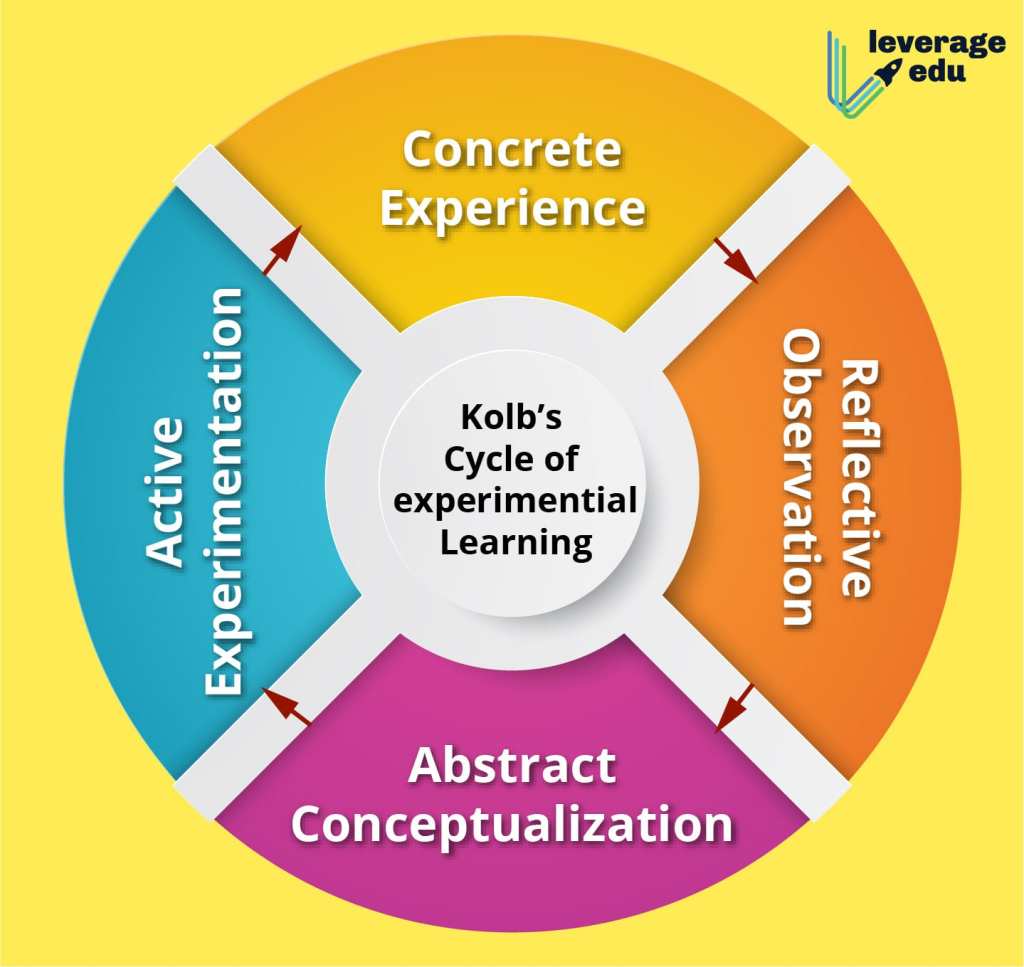
Experiential education is an approach that emphasizes learning by doing. It provides learners with hands-on experiences that are relevant to their interests and goals while also incorporating reflection on those experiences. The idea behind this method is simple – we learn best when we actively participate in the learning process rather than passively absorbing information from lectures and textbooks.
The benefits of experiential education are numerous, making it an essential part of alternative schooling and education today. Let’s explore some of these advantages:
1) Personalized Learning
Experiential education allows students to personalize their learning experience based on their needs, interests, and abilities. This method offers ample opportunities for self-discovery as students engage in tasks that align with their passions or career aspirations.
2) Real-World Application
This approach aims to immerse learners in authentic situations where they can apply what they have learned in class to real-life settings effectively. Students gain first-hand experience dealing with complex problems while developing critical thinking skills, creativity, collaboration, communication skills under challenging circumstances.
3) Career Readiness
Career readiness is another significant advantage associated with experiential learning methods. Through internships or work-based programs offered by schools or organizations integrating experiential approaches into classrooms curriculum will provide students early exposure to different professions; thus preparing them adequately for future employment opportunities.
4) Increased Engagement & Motivation
By providing an opportunity for active participation and personalization within student-driven projects throughout various methodologies like project-based learning (PBL), inquiry-based instruction (IBI), service-learning activities (SLA). Experiential approaches increase student engagement, motivation, and retention of learning.
5) Positive Educational Outcomes
Studies show that experiential education leads to higher academic performance and positive educational outcomes. The students who participate in experiential programs often report increased confidence, self-esteem, leadership skills, and a better understanding of their future goals.
The application of experiential education is varied and diverse; it is not limited to any specific subject area or age group. This approach can be integrated throughout various levels of schooling as well as outside the classroom environment. Here are some examples:
1) Outdoor Education: Taking students on field trips or outdoor expeditions where they learn about nature conservation, wildlife habitats, survival techniques or team-building activities.
2) Service Learning: Students applying their knowledge and skills learned in the classroom to community service projects that help others while also promoting personal growth.
3) Internship & Work-based Programs: Students working as interns at local businesses or organizations gaining experience in different professions while developing career-related skills such as communication, problem-solving abilities under supervision with professionals’ guidance.
4) Project-Based Learning (PBL): In PBL activities students work collaboratively on real-world problems requiring critical thinking skills by researching information from various sources using technology tools like online databases or creating multimedia presentations for final assessment submissions
5) Inquiry-Based Instruction (IBI): In IBI frameworks teachers design open-ended questions allowing learners to explore topics through discussion groups guided by critical inquiry concepts focusing on research methodology development within scientific experiments-based investigations
While implementing an experiential education system may seem daunting for alternative schools considering its logistics challenges like budget constraints or staffing issues – there are ways around these limitations. Partnering with local governments for funding opportunities on grants matched with private sectors support initiatives will provide more resources available for educators integrating this program into curriculums effectively. Additionally utilizing online platforms providing virtual simulations & gamified environments will enhance learner’s experiences without necessarily breaking the bank.
In conclusion, experiential education is a vital component of alternative schooling and education. It provides learners with hands-on experiences that are relevant to their interests and goals while also incorporating reflection on those experiences. This method offers ample opportunities for self-discovery as students engage in tasks that align with their passions or career aspirations, promote creativity, collaboration, communication skills under challenging circumstances while leading to higher academic performance and positive educational outcomes. As educators embrace this approach, they will transform learning into an exciting journey of exploration where students can discover new talents and reach their full potential.
 Alternative Amie
Leave a comment