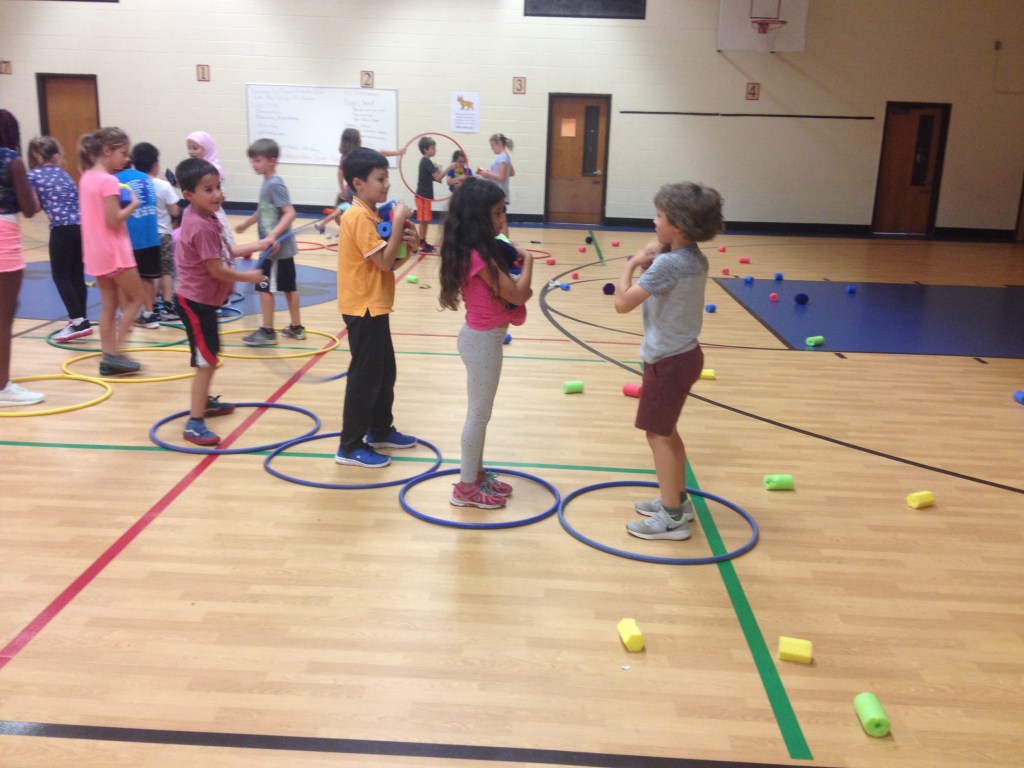
Cooperative Games: A New Way of Learning and Growing Together
In a world where competition seems to be the norm, it’s refreshing to see that there are other ways to approach life. Cooperative games are one such way, providing an alternative to traditional competitive games. These types of games promote collaboration, communication, and teamwork while also teaching valuable life skills like problem-solving, decision-making, and creativity.
What Are Cooperative Games?
Cooperative games are defined as games that require players to work together towards a common goal or objective. Unlike traditional competitive games where players compete against each other for victory or a prize, cooperative games foster collaboration by requiring players to pool their resources and skills in order to achieve success.
There are many different types of cooperative games available for people of all ages and skill levels. Some examples include:
– Escape Room Games: Players must work together to solve puzzles and escape from a locked room.
– Board Games: Many board game designers have created cooperative versions of popular board games like Pandemic or Forbidden Island.
– Outdoor Games: Activities like orienteering or scavenger hunts can be turned into cooperative experiences where teams must work together in order to complete challenges.
Why Play Cooperative Games?
One reason why someone might choose to play cooperative games is because they offer an alternative way of learning. In traditional competitive environments like schools or sports teams, some students may struggle due to the competitive nature of those activities. With cooperative gameplay, everyone has an equal chance at success because everyone is working towards the same goal.
Another reason why someone might choose to play cooperatively is because it offers opportunities for personal growth and development. By playing collaboratively with others, individuals can learn important life skills such as communication, leadership, problem-solving, decision-making among others.
Benefits Of Playing Cooperative Games
The benefits of playing cooperatively extend beyond just having fun with friends or family members; these types of activities also provide numerous benefits for social-emotional development, physical health, and academic achievement. Some of the benefits of playing cooperative games include:
1. Improved Social-Emotional Development: Playing collaboratively with others helps to build social-emotional skills like empathy, communication, and cooperation.
2. Enhanced Physical Health: Participating in group activities can also lead to better physical health as players are often more active than they would be if they were playing alone.
3. Boosted Academic Achievement: Cooperative gameplay has been shown to improve academic performance in areas such as math and science.
4. Increased Problem-Solving Skills: By working together towards a common goal, players develop problem-solving skills that can help them overcome obstacles in other areas of their lives.
5. Fosters Creativity And Imagination: Cooperative games usually require imaginative thinking which is crucial for creativity and innovative thinking
How To Choose The Right Cooperative Game For You
When choosing a cooperative game it’s important to consider the age range or skill level of the players involved, as well as their interests and preferences when selecting a game. A simple way of selecting an appropriate game is by looking up reviews online or asking friends who have played similar games before for recommendations.
Another thing you should consider is the type of activity you want to engage in; whether it’s an outdoor adventure or indoor board game night with friends there are many options available depending on your preference.
Finally, consider how much time you have available for each gaming session so you can select one that fits within your schedule without feeling too rushed or incomplete.
Conclusion
Cooperative games offer numerous benefits for individuals who participate in them regularly like improving social-emotional development, enhanced physical health among others while teaching valuable life skills such as communication, teamwork among others.. With so many different types available today suitable from kids to adults alike there’s no reason not give this alternative approach a try!
 Alternative Amie
Leave a comment