Standardized Testing Alternatives: A Guide for Alternative Schooling and Education
In recent years, standardized testing has become the norm in many schools across the world. These tests are designed to evaluate students’ knowledge and skills in specific subjects and provide a way for schools to measure their performance against other institutions. However, there is growing concern over the impact of these tests on students’ learning experiences and outcomes. Critics argue that standardized testing does not accurately reflect a student’s abilities or potential, leading to stress, anxiety, and disengagement from learning.
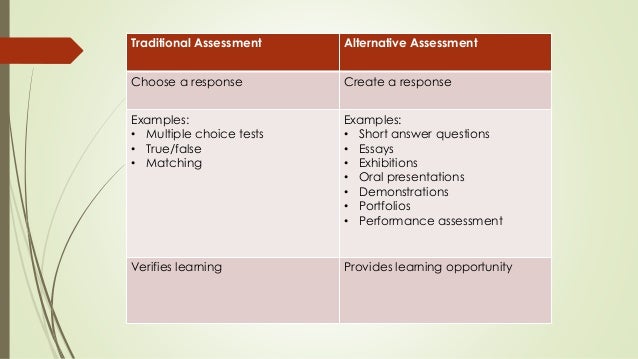
Fortunately, there are alternatives to standardized testing that can provide a more comprehensive and personalized assessment of students’ progress. In this guide, we will explore some of these alternatives and how they can benefit alternative schooling systems.
Portfolio Assessment
One option for alternative assessments is portfolio assessment. This approach involves collecting samples of students’ work over time to demonstrate their growth and development in various areas. Portfolios can include written assignments, projects, artwork, videos or any other materials that showcase what students have learned throughout their academic career.
The advantage of portfolio assessment is that it provides a more accurate representation of student achievement than traditional test scores because it captures both process as well as product-based evidence. For instance, instructors may be able to monitor how much effort each student puts into an assignment through drafts or revisions made before submitting final versions.
Moreover, portfolios allow educators greater flexibility in assessing student work since each portfolio is unique based on individual interests and strengths rather than just being one-size-fits-all like standard assessments.
Performance-Based Assessments
Another alternative form of evaluation used by many progressive schools today is performance-based assessments (PBA). PBA requires students to demonstrate mastery through hands-on activities such as presentations or experiments rather than just answering multiple-choice questions on paper exams like traditional methods do.
For example: Instead of asking you about Newton’s laws using equations or diagrams only; teachers could ask you to design and construct a model that demonstrates Newton’s laws in action. By doing this, students not only demonstrate their knowledge but also develop critical thinking and problem-solving skills.
Project-Based Learning
Project-based learning (PBL) is another alternative to standardized testing that has gained popularity in recent years. PBL involves students engaging in real-world projects that require them to apply what they have learned in meaningful ways.
For instance, instead of taking a multiple-choice test on the Civil Rights Movement, students could research influential figures like Martin Luther King Jr. or Rosa Parks and create an interactive exhibit showcasing their impact on society.
The benefits of project-based learning are numerous as it promotes creativity, collaboration, communication, and critical thinking skills amongst learners while still covering the curriculum content required by traditional tests.
Authentic Assessment
Authentic assessment is another way of measuring student achievement that emphasizes the application of knowledge to real-world problems or situations. This form of evaluation can take many forms such as simulations or role-playing activities where students act out scenarios related to daily life experiences.
By using authentic assessment methods, educators can gauge how well their students understand concepts beyond just memorization. For example: Instead of asking you about theories relating to migration patterns; your teacher would ask you to design a policy proposal addressing immigration issues affecting your community with realistic solutions based on actual data analysis.
Self-Assessment
Self-assessment allows learners themselves play an active role in the evaluation process by reflecting on their own performance over time rather than solely relying on external assessments from instructors. This approach gives room for self-reflection which helps foster metacognitive development – becoming aware of one’s strengths and weaknesses as well as personal goals.
One example is creating personalized rubrics or checklists with specific criteria for evaluating progress allowing pupils evaluate how much they’ve learned over time based on these criteria rather than just blindly focusing solely on final grades given by teachers at end-of-term evaluations alone!
Conclusion
As the world continues to recognize the limitations of traditional testing methods, alternative forms of assessment have emerged as viable alternatives. These alternatives, such as portfolio assessment, performance-based assessments, project-based learning, authentic assessment and self-assessment provide a more comprehensive and personalized way to evaluate student progress.
Alternative schooling systems can benefit from incorporating these approaches into their curriculum by promoting critical thinking skills and deepening students’ understanding of course content. By doing so; educators will be able to empower learners with the knowledge and skills needed for success in an ever-changing world while still covering all curriculum requirements necessary for achieving academic excellence!
 Alternative Amie
Leave a comment