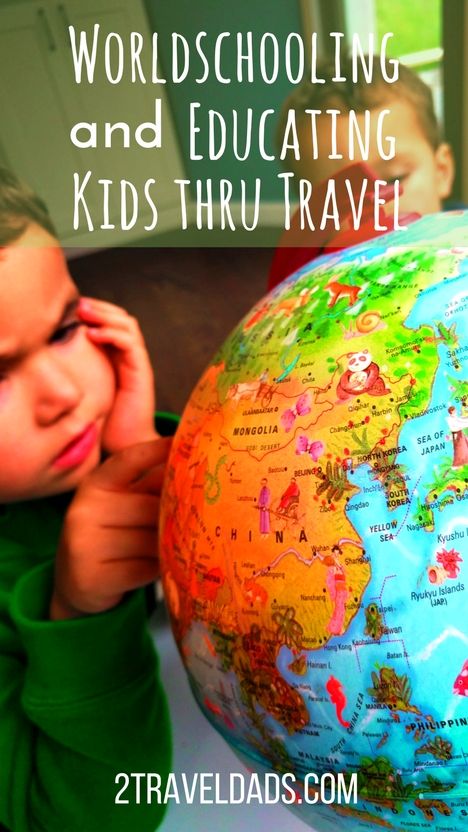
Worldschooling is a growing trend among families who want to combine travel and education. It involves taking children out of traditional school settings and exposing them to the world through travel, cultural immersion, and project-based learning. In this post, we will explore some subtopics related to Worldschooling.
1. Unschooling while Traveling
Unschooling is a type of homeschooling that emphasizes child-led learning rather than formal curriculum or structure. While traveling, unschoolers can take advantage of the many educational opportunities that arise naturally on the road. For example, visiting historical sites, museums, and natural wonders can provide hands-on learning experiences that are both fun and educational.
2. Learning through Cultural Immersion
Cultural immersion is an essential part of Worldschooling because it allows children to experience different cultures firsthand. By staying with local families or participating in cultural activities such as cooking classes or language lessons, kids can learn about different customs and traditions while gaining valuable insights into global perspectives.
3. Homeschooling on the Road
Homeschooling on the road requires careful planning and organization but can be a fantastic way to keep up with academic studies while traveling. Many online resources are available for homeschoolers who need access to curricula materials or lesson plans while away from home.
4. Worldschooling with a Budget
Travel expenses can add up quickly when you’re on the road for an extended period. Families who want to Worldschool on a budget may consider slow travel options like house-sitting or volunteering abroad in exchange for room and board.
5. Language Learning While Traveling
Learning a new language is one of the most popular reasons people choose to travel abroad with their children. It’s also an excellent opportunity for kids to develop their communication skills by interacting with native speakers in real-life situations.
6. Combining Travel and Online Learning
Online learning platforms like Khan Academy or Coursera offer countless courses for students of all ages and levels. Combining online learning with travel allows children to learn at their own pace while exploring new destinations.
7. Worldschooling for Families of Digital Nomads
Digital nomads are people who work remotely and can work from anywhere in the world as long as they have a stable internet connection. For families, this lifestyle offers the opportunity to combine work and travel seamlessly.
8. Road Schooling in an RV
Road schooling is another option for families who want to Worldschool while traveling by RV. With careful planning, resources like homeschool curricula or co-op groups can be incorporated into life on the road.
9. Socialization While Worldschooling
Many critics of homeschooling argue that it deprives children of socialization opportunities with peers outside the family unit. However, families who Worldschool often seek out opportunities to meet other families on the road through shared activities or group events.
10. Worldschooling with Special Needs Children
Worldschooling can be an excellent option for families with special needs children because it allows them to tailor their education plans around their specific needs and interests.
11. Travel-Based Project-Based Learning
Project-based learning involves hands-on projects that allow students to explore real-world problems and find solutions independently or collaboratively. When combined with travel, these projects take on added significance as kids learn about different cultures or ecosystems firsthand.
12. Worldschooling for High Schoolers
High school students may have more rigid academic requirements than younger children, but there are still many ways they can participate in Worldschooling experiences such as dual enrollment courses or study abroad programs.
13. Balancing Academics and Adventure
Finding a balance between academics and adventure is one of the biggest challenges facing World-schoolers today since every day provides new opportunities for learning experiences that cannot be found in traditional classrooms.
14.Learning Through Volunteering Abroad
Volunteering abroad gives kids unique insights into the lives of people in different parts of the world while teaching them valuable life skills like teamwork and problem-solving.
15. The Benefits of Worldschooling for College Admissions
Colleges today look for applicants who have diverse experiences and a wide range of interests that go beyond traditional academics. World-schoolers may have an advantage in this area because they have already experienced firsthand what it means to be part of a global community.
16. Worldschooling in Non-Traditional Destinations
World-schoolers are not limited to popular tourist destinations but can explore lesser-known regions where local cultures and traditions offer unique learning opportunities.
17. The Impact of Worldschooling on Family Dynamics
Traveling together as a family can bring both positive and negative effects on family dynamics, such as increased bonding or added stress from being around each other 24/7.
18. Incorporating Local Cuisine into Homeschool Lessons
Food is an important aspect of any culture, and incorporating local cuisine into homeschool lessons can be a fun way to learn about another country’s history or geography.
19. Teaching Entrepreneurship While Traveling
World-schoolers can take advantage of their travel experiences by teaching their children entrepreneurship skills through opportunities like selling handmade crafts or starting small businesses while abroad.
20. Using Technology to Enhance Worldschooling Experiences
Technology plays a significant role in modern education, making online resources, educational apps, virtual field trips, podcasts available at your fingertips – all enhancing the quality and experience when world schooling.
In conclusion, there are many ways families can participate in the exciting trend known as “world schooling.” Whether you’re traveling internationally or exploring your own backyard from an RV or house-sitting position; whether you’re working remotely as a digital nomad with kids attending online classes during long-term stays abroad – world schooling has something for everyone!
 Alternative Amie
Leave a comment