Rubrics: The Ultimate Guide to Better Understanding
When it comes to education, grading and assessment are two vital components. Teachers need to know how their students are performing so they can provide effective feedback and adjust instruction as needed. But how do they accurately measure student progress? Enter the rubric.
What is a Rubric?
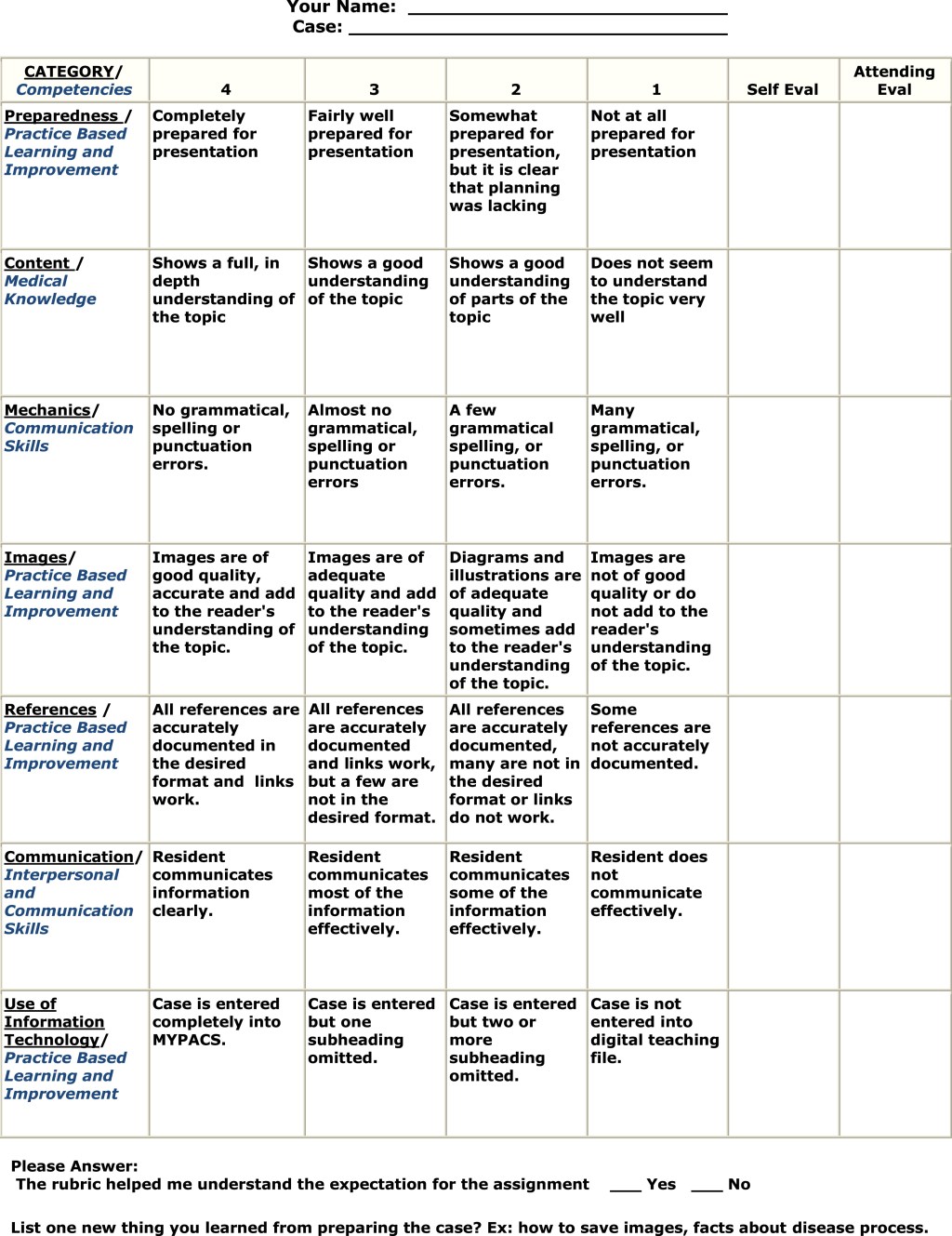
A rubric is essentially a scoring guide that outlines specific criteria for evaluating student work. It provides clear expectations for what a successful project or assignment should look like in terms of content, organization, quality, and creativity. Rubrics can be used for any type of assignment–essays, presentations, group projects–and can be customized to meet the specific needs of each classroom.
Why Use a Rubric?
There are several benefits to using rubrics in the classroom. First and foremost, they promote consistency in grading by providing objective criteria for evaluation. This helps ensure that all students are held to the same standards regardless of individual teacher biases or preferences.
Rubrics also help students understand what’s expected of them. By clearly outlining the criteria for success, rubrics give students a roadmap for how to approach an assignment and what skills they need to focus on developing.
Additionally, rubrics can help save time when grading assignments by making it easier to identify strengths and weaknesses in student work. They also facilitate more meaningful conversations between teachers and students about areas where improvement is needed.
Creating Effective Rubrics
To create effective rubrics that accurately assess student work while still being manageable for teachers, there are several best practices to keep in mind:
1. Start with learning objectives: Identify the key concepts or skills you want your students to master through this particular assignment.
2. Choose appropriate criteria: Select 3-5 specific elements that will help evaluate whether these learning objectives have been met (e.g., clarity of writing style).
3. Determine levels of achievement: Develop descriptions that clearly differentiate between excellent performance at one end, and poor performance at the other.
4. Be specific: Use precise and concrete language in your rubric descriptions to avoid confusion or ambiguity.
5. Keep it simple: Avoid overly complex rubrics that can be difficult for students (and teachers) to understand.
6. Revise as needed: Rubrics should be flexible enough to change if they are not accurately capturing student learning.
Conclusion
Rubrics are an essential tool for any teacher looking to assess student work fairly and objectively while also providing clear expectations for success. By following best practices for creating effective rubrics, educators can promote consistent grading, help students develop key skills, and facilitate meaningful conversations about areas of improvement.
 Alternative Amie
Leave a comment