Learning Through Play: The Power of Alternative Education
As parents and educators, we understand that children learn best when they are engaged and interested in what they are learning. This is where the power of alternative education comes into play. Alternative education allows for a more personalized approach to learning that focuses on the individual needs and interests of each child.
One key aspect of alternative education is learning through play. Play-based learning has been shown to be effective in helping children develop social skills, problem-solving abilities, creativity, and critical thinking skills.
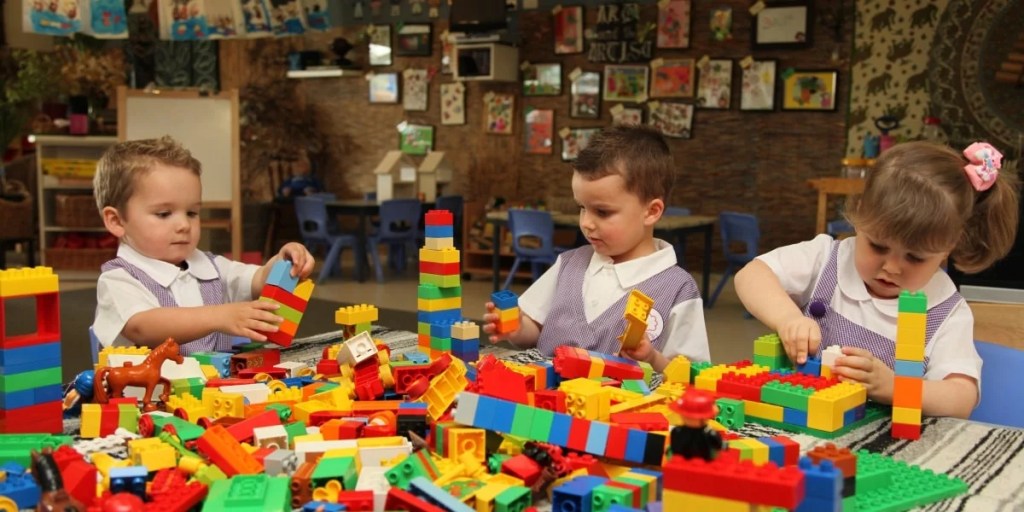
Play-based learning involves teaching academic concepts through hands-on activities that engage children’s natural curiosity and desire to explore. In this way, children learn by doing rather than just listening or reading about it. Play-based activities can include anything from building with blocks to exploring nature outside.
Incorporating games into traditional classroom subjects such as math, science or history can also make them more enjoyable for students while still achieving educational goals. For example, playing a board game like Monopoly can teach basic math skills such as counting money or adding and subtracting.
Furthermore, outdoor play is not only fun but also essential for healthy development in children. Outdoor environments provide opportunities for physical exercise which helps improve cognitive function and motor coordination while also stimulating creativity through exploration.
The Montessori method is one popular form of alternative education that incorporates play-based activities into their curriculum. The Montessori method emphasizes self-directed activity designed to promote natural development at the child’s own pace without grades or competitions between peers.
Another form of alternative education includes Reggio Emilia schools which focus on student-driven projects based on their interests while incorporating art as part of their curriculum. Students are encouraged to explore their ideas freely using various mediums like paint or clay resulting in unique projects reflecting their individuality.
In conclusion, alternative education provides an opportunity for more personalized approaches to teaching students effectively by utilizing techniques like play-based learning which promotes creative thinking skills alongside academic learning. While traditional education can provide a solid foundation for students, alternative education offers opportunities for enhanced development of individual abilities and strengths while encouraging creativity and critical thinking skills that will be invaluable throughout life.
 Alternative Amie
Leave a comment