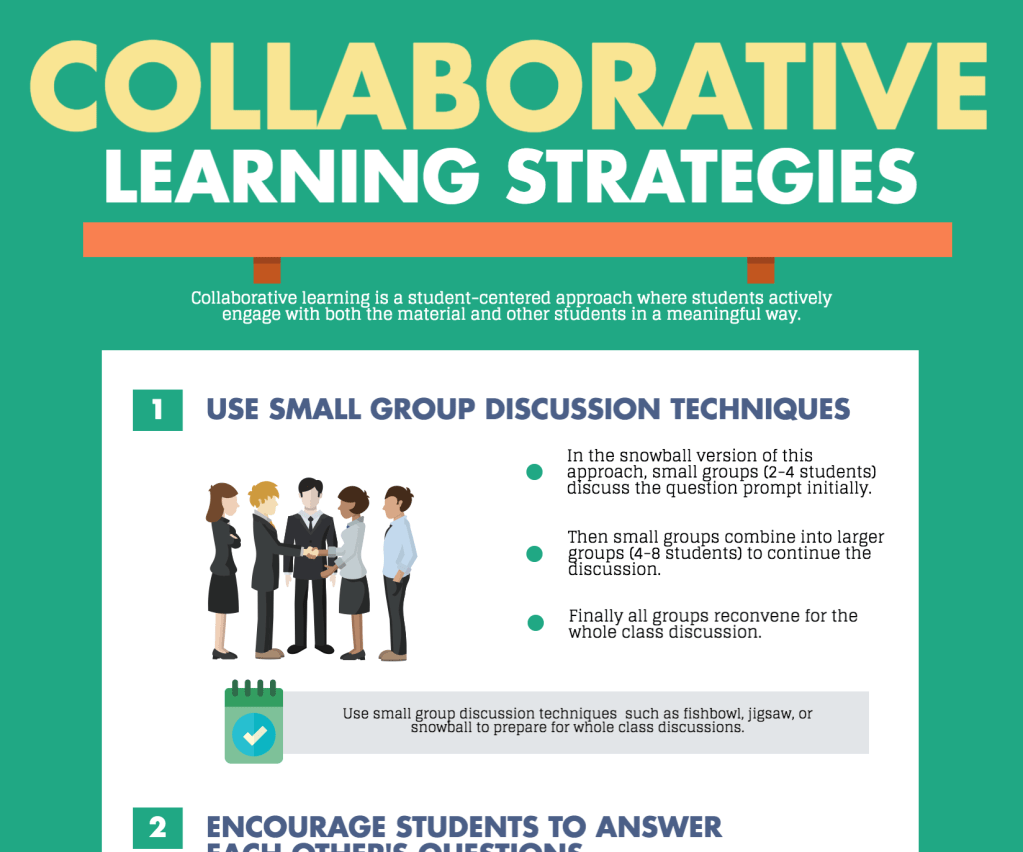
Cooperative learning is a teaching method that emphasizes teamwork and collaboration among students. In this approach, students work together in small groups to achieve common goals and learn from one another.
The benefits of cooperative learning are numerous. It helps foster positive relationships among students, improves communication skills, enhances critical thinking abilities, and encourages active participation in the classroom. Furthermore, it can be an effective way to differentiate instruction for diverse learners.
Here are some tips on how to implement cooperative learning strategies in your classroom:
1. Establish clear expectations: Before beginning any group activity, make sure everyone understands what is expected of them. This includes both academic and social expectations such as respecting others’ ideas and taking turns speaking.
2. Assign roles: Assigning roles within each group can help ensure that all members contribute equally to the project or task at hand. Some potential roles include timekeeper, note-taker, facilitator or encourager.
3. Mix up groups: Varying the composition of groups regularly can help build stronger relationships between classmates who may not typically interact with each other otherwise.
4. Set achievable goals: Break down large projects into smaller tasks so that students have clear objectives to complete throughout the process of their project.
5. Provide feedback: Offer constructive feedback after each collaborative activity so that students understand what they did well and where they could improve next time.
6. Monitor progress: Circulate around the room during group work sessions to monitor progress and offer support when needed – but avoid micromanaging! Letting students struggle through problems together can be an important part of their growth process.
Some specific cooperative learning methods you might consider implementing include:
1) Jigsaw Method – The jigsaw technique involves dividing material into different parts for individualized study by small teams followed by reassembling those parts for a final presentation or discussion.
2) Think Pair Share – Students are given a question or prompt which they think about independently before sharing their thoughts with a partner. The pairs then reconvene as a larger group to discuss their findings.
3) Round Robin – In this method, each student in a group takes turns contributing an idea or answer before the next student adds on. This can be helpful for practicing active listening and collaboration between different perspectives.
4) Numbered Heads Together – Students are divided into small groups and assigned numbers within those groups. One question is posed to the class, and students work together to come up with an answer for that question. Once they have arrived at a consensus, they share their answer with the rest of the class.
Cooperative learning provides numerous benefits for students, including improved communication skills, critical thinking abilities and active participation in classroom activities. By incorporating strategies such as clear expectations, assigning roles within groups, varying composition of teams regularly, providing feedback after each activity, monitoring progress during sessions; teachers can help foster stronger relationships among classmates while promoting academic growth.
In summary: Cooperative Learning is an instructional strategy that emphasizes teamwork and collaboration among students to achieve common goals. It has many benefits such as fostering positive relationships among students, improving communication skills and encouraging active participation in classroom activities.In order to implement cooperative learning strategies effectively you should establish clear expectations beforehand; assign roles so all members contribute equally; mix up groups regularly which will build stronger relationships between different classmates who may not typically interact otherwise; set achievable goals by breaking down large projects into smaller tasks thereby giving them clear objectives throughout the process of project work etcetera. Finally offering constructive feedback after each collaborative activity helps reinforce what worked well or where improvements could be made next time around!
 Alternative Amie
Leave a comment