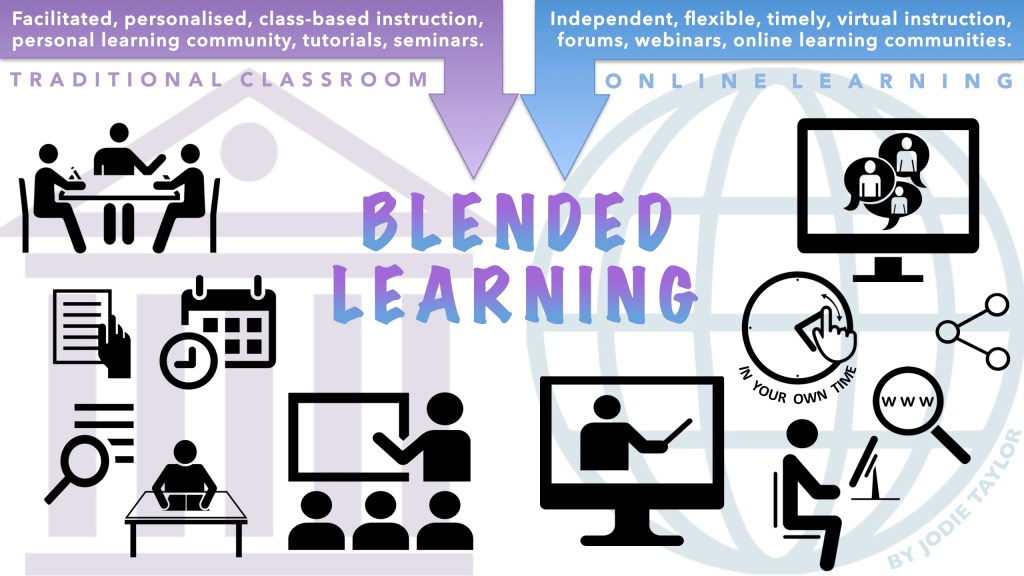
Blended Learning: The Future of Alternative Education
In recent years, blended learning has gained significant popularity in the field of alternative education. Blended learning combines traditional face-to-face instruction with online or digital resources to create a personalized and flexible learning experience for students.
As a writer and journalist who has covered various topics related to alternative schooling and education, I have seen firsthand how blended learning is transforming the way we approach education. In this memoir-style post, I will share my experiences with blended learning, its benefits, challenges, and why it’s the future of alternative education.
My Journey with Blended Learning
I first encountered blended learning when I was writing an article about innovative approaches to teaching in alternative schools. At that time, some schools were experimenting with using online tools and resources to supplement their traditional curriculums.
One school that stood out was using a platform called Edmentum Courseware that allowed students to access course materials from anywhere at any time. This meant that students could learn at their own pace while still receiving support from teachers during class.
When I visited the school, I saw how much more engaged students were with their coursework compared to those in traditional classrooms. They were excited about the opportunity to work independently on projects and assignments while still having access to teacher feedback whenever they needed it.
This experience sparked my curiosity about blended learning as an effective tool for engaging learners who may not thrive in conventional classroom settings.
Benefits of Blended Learning
Blended learning offers numerous benefits for both teachers and students alike:
1. Flexibility – With blended learning environments, students can customize their schedules according to their needs since they have access to course materials 24/7. Teachers also have more flexibility in designing lesson plans tailored towards each student’s unique needs instead of following strict curriculum guidelines set by institutions.
2. Personalization – Students can engage with course material through interactive multimedia elements such as videos or simulations which enhances retention rate and facilitate deeper learning experiences. Teachers can also personalize their instruction by using data analytics to track student progress and adapt lessons accordingly.
3. Increased Engagement – Blended learning environments offer a variety of learning modalities that cater to different types of learners. Students who may not thrive in traditional classroom settings can benefit from the flexibility, personalization, and variety offered by blended learning.
4. Improved Student Outcomes – Studies have shown that students who participate in blended learning environments demonstrate higher achievement levels than those in traditional classrooms.
Challenges with Blended Learning
While blended learning has many benefits, it is not without its challenges:
1. Access to technology – Not all students have access to reliable internet connectivity or devices necessary for online coursework which creates an equity gap between students who can afford tech resources vs those who cannot.
2. Teacher Training – Teachers require training on how to effectively use digital tools and resources as part of their instructional strategies which requires additional time and resources from institutions investing in this approach.
3. Assessment methods – Measuring student progress using traditional assessment methods such as standardized tests may not be sufficient since blended learning environments focus more on personalized instruction rather than standardized curriculum guidelines.
The Future of Alternative Education
Blended learning is increasingly becoming the future of alternative education due to the various benefits it offers both educators and learners alike. It provides an opportunity for teachers to personalize instruction based on each student’s unique needs while enabling learners to engage with course material through interactive multimedia elements that enhance retention rates and facilitate deeper understanding.
Moreover, at a time when schools are facing budget cuts and shrinking enrollments due to COVID-19 pandemic, blended learning offers cost-effective solutions that enable institutions to provide high-quality education regardless of physical location or financial constraints faced by families living far away from urban centers where most educational institutions are located..
Conclusion
As someone who has dedicated my career writing about alternative schooling approaches, I am confident that blended learning represents the future of alternative education. With its flexibility, personalization, and increased engagement rates for learners of all abilities, blended learning environments offer a promising solution to help bridge the equity gap in education by offering personalized instruction regardless of location or socioeconomic status.
While there are challenges associated with implementing blended learning approaches, it is clear that this innovative approach has the potential to transform how we educate future generations. It’s time that we start investing more resources into developing and scaling up these models so that every student can benefit from this transformative educational approach.
 Alternative Amie
Leave a comment