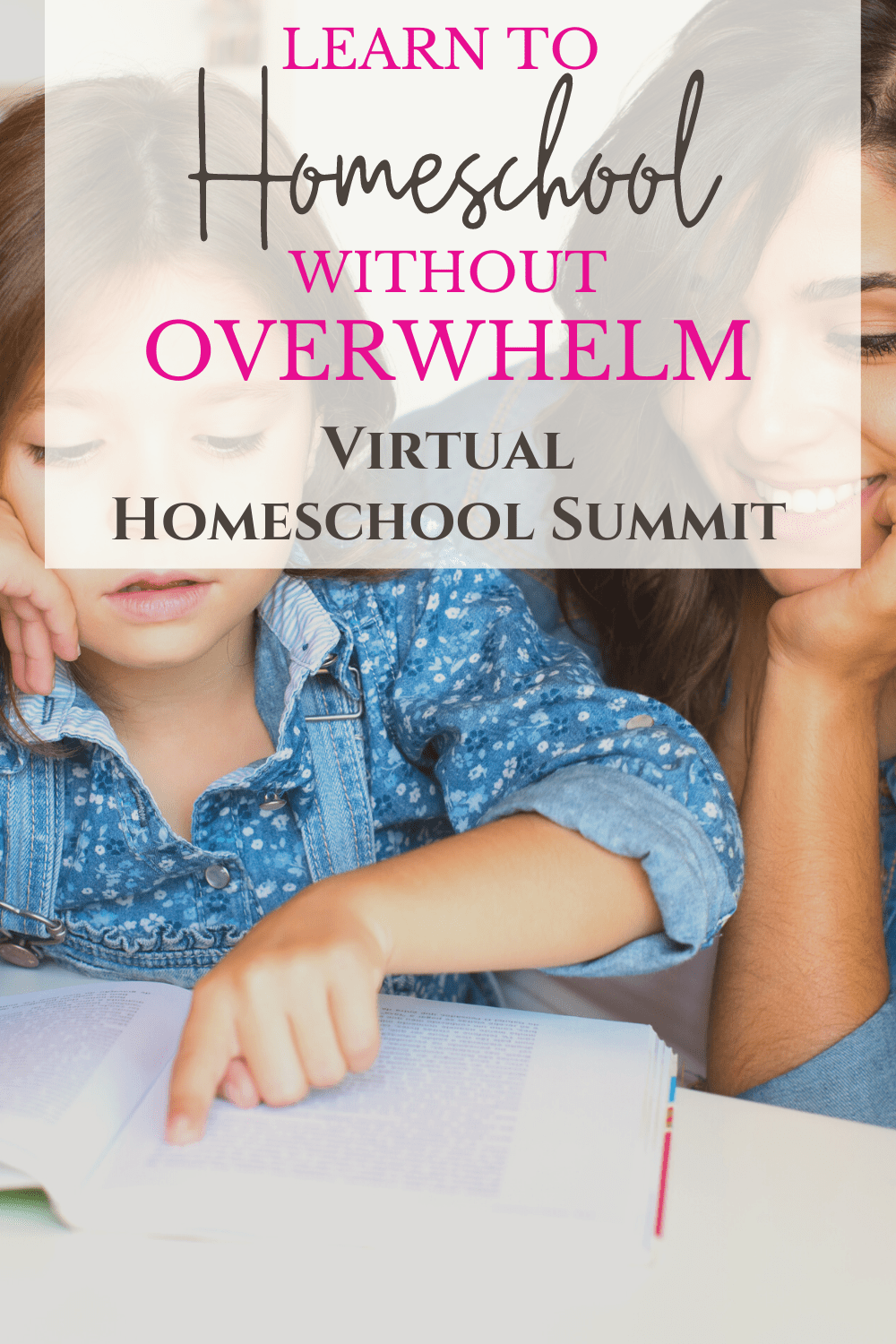
Alternative Schooling and Education: A Comprehensive Guide
Education is a vital aspect of human life, as it shapes individuals into productive members of society. However, traditional schooling systems are often criticized for their rigidity and inability to cater to the needs of all students. As such, alternative schooling and education options have become increasingly popular in recent years.
In this comprehensive guide, we will explore the various types of alternative schooling and education options available to students today.
Homeschooling
Homeschooling involves parents taking on the responsibility of educating their children at home instead of sending them to a traditional school. This option allows for more flexibility in terms of scheduling, course content, and teaching methods.
One benefit of homeschooling is that parents can tailor their child’s education to meet their unique learning style and interests. Homeschooled students also typically have more one-on-one attention from their teachers (in this case, their parents) which can lead to better academic performance.
However, there are some potential drawbacks to homeschooling as well. For example, homeschooled students may miss out on socialization opportunities with peers outside the home. Additionally, not all parents may be equipped with the knowledge or resources needed to provide a comprehensive education for their child.
Unschooling
Unschooling takes homeschooling one step further by allowing the student complete control over what they learn and when they learn it. Instead of following a set curriculum or lesson plan determined by an adult teacher or parent figure, unschooled children are free to pursue whatever interests them at any given time.
Proponents argue that unschooling promotes creativity, critical thinking skills, self-motivation and independence in learners because they determine what they want/need/like/hate/can’t understand yet etc., without external pressures or constraints imposed upon them by adults who may not fully understand how each individual learns best due either personality type differences between people themselves but also environmental factors such as the way the child’s brain processes information.
However, critics argue that unschooling can lead to knowledge gaps and a lack of structure in education. Additionally, it may be difficult for students who choose this path to gain acceptance into traditional higher education institutions or job markets without a standard diploma or degree.
Charter Schools
Charter schools are publicly funded schools that operate independently from local school districts. They often have more flexibility in terms of curriculum, teacher hiring/firing decisions, and budget management than traditional public schools.
One benefit of attending a charter school is access to specialized programs or curriculums that may not be available at traditional public schools. Additionally, some charter schools have smaller class sizes and more individualized attention from teachers.
However, there are also potential downsides to charter schools. For example, they may not serve all students equally due to varying admission requirements or selective enrollment practices. Additionally, some critics argue that charter schools divert resources away from traditional public schools and exacerbate existing inequalities in education.
Montessori Schools
Montessori schooling is based on the educational philosophy developed by Maria Montessori in Italy over 100 years ago. The approach emphasizes hands-on learning experiences and self-directed discovery rather than rote memorization and standardized testing.
In Montessori classrooms, children work with specially designed materials that encourage exploration and independence. Teachers act as facilitators rather than lecturers, guiding students through activities but allowing them to learn at their own pace.
Benefits of Montessori schooling include an emphasis on creativity and critical thinking skills development for every student regardless of age level; increased autonomy within the classroom setting which fosters personal responsibility towards oneself as well as others around us (including environment); improved social skills since children work collaboratively on projects throughout day rather than independently completing homework assignments after school hours alone; greater sense community among learners because everyone learns together though each person is unique so differences celebrated instead of shunned.
However, Montessori schooling may not be suitable for all students. Some children may require more structure and guidance than is provided in a Montessori environment, while others thrive under the freedom and independence offered by the approach.
Virtual Schools
Virtual schools are online institutions that offer education to students from kindergarten through high school. These institutions often provide a flexible schedule that allows students to complete coursework at their own pace.
Benefits of virtual schooling include greater flexibility for both students and parents regarding scheduling; access to specialized courses or curriculums that may not be available in traditional public schools; lower costs compared with private schooling options without sacrificing quality instruction due advances technology resources teachers have direct online contact learners throughout day/night hours wherever they are located worldwide.
However, there are also potential drawbacks to virtual schools. For example, some critics argue that virtual schooling lacks the socialization opportunities found in traditional classroom settings. Additionally, it can be difficult for some students to stay motivated when completing coursework on their own without regular face-to-face interactions with teachers or peers.
Conclusion
Alternative schooling and education options offer a range of benefits and drawbacks depending on individual needs and circumstances. Homeschooling provides flexibility but requires significant parental involvement; unschooling offers complete autonomy but lacks structure; charter schools provide specialized programs but may exacerbate inequalities in education; Montessori schools emphasize hands-on learning experiences but may not suit all learners’ needs; Virtual Schools offer accessible education opportunities but lack socialization opportunities found within traditional classroom settings.
Ultimately, choosing an alternative school or educational program requires careful consideration of one’s unique situation, goals, interests as well as available resources such as time commitment required financial cost involved etc., so do your research before making any decisions!
 Alternative Amie
Leave a comment