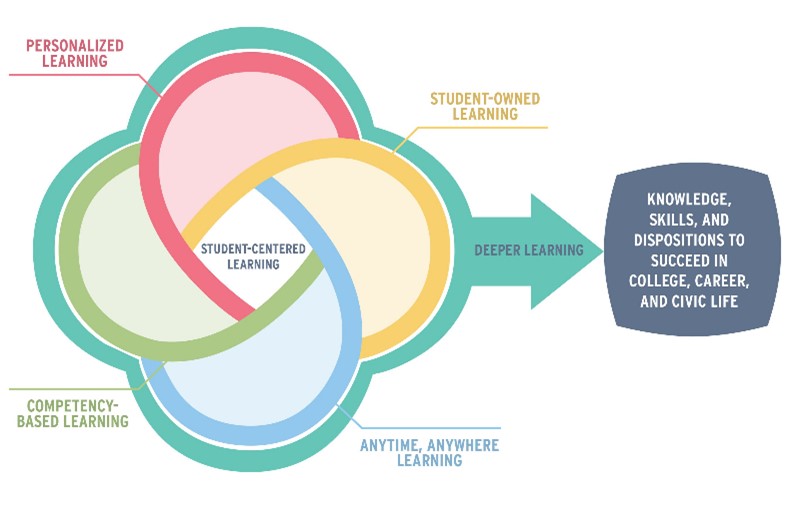
Competency-based education (CBE) is a growing trend in alternative schooling and education. It is based on the idea that students should be able to receive credit for what they know, not just how long they sit in a classroom. CBE is an approach that measures student learning by assessing their mastery of specific skills and knowledge rather than relying solely on traditional grading methods.
The primary objective of CBE is to prepare students for the workforce or higher education by providing them with practical skills that align with industry standards. This approach provides students with more personalized learning experiences, allowing them to focus on areas where they need additional support while also challenging them to push beyond their current skill set.
One of the significant benefits of CBE is its flexibility. Students can learn at their own pace, which means that those who grasp material quickly can move ahead while others can take extra time to master difficult concepts without falling behind. Additionally, some institutions allow students to earn credits through work experience or prior knowledge assessments, which helps accelerate the learning process and saves money on tuition fees.
Another benefit of CBE is that it focuses on real-world scenarios rather than theoretical concepts alone. For instance, instead of simply reading about marketing strategies in a textbook, students may be required to create a marketing plan for an actual business as part of their coursework. This hands-on approach gives learners valuable experience working through challenges similar to what they will encounter when entering the workforce.
CBE has gained popularity because it allows educators and institutions to measure progress objectively while giving learners control over their educational journey’s direction and pace. The assessment process involves creating clear expectations for each course or subject area so that instructors know precisely what each student must achieve before moving forward.
While there are no universal guidelines for implementing competency-based education programs, many schools have developed models tailored specifically toward their unique teaching styles and objectives. Some institutions use hybrid approaches combining online resources with traditional classroom instruction; others provide entirely online courses with video lectures, interactive assignments, and virtual simulations.
In conclusion, competency-based education is a promising alternative to traditional schooling and education. This approach provides learners with a personalized educational experience that emphasizes practical skills aligned with industry standards. CBE gives students more control over their learning journey by allowing them to learn at their own pace while also challenging them to push beyond their current skill set. With its flexibility and focus on real-world scenarios, CBE prepares students for success in the workforce or higher education by giving them valuable experience working through challenges similar to those they will encounter when entering the professional world.
 Alternative Amie
Leave a comment