Environmental Education: A Necessity for Alternative Schooling and Education
In recent years, there has been a growing concern about the state of our planet. Climate change, pollution, deforestation, and other environmental issues have become pressing global problems that require immediate attention. In light of this situation, environmental education has emerged as an essential component of alternative schooling and education.
Environmental education is a learning process that aims to develop awareness and understanding of the natural world and human impact on it. It covers a wide range of topics such as ecology, sustainability, biodiversity conservation, climate change mitigation, waste management, energy efficiency, water conservation among others. The goal is to equip individuals with knowledge and skills necessary to address environmental challenges in their communities.
Alternative schooling and education refers to non-traditional educational approaches that provide students with more flexible learning options beyond conventional classroom settings. These include homeschooling programs, online schools or courses, Montessori schools among others. Environmental education can be integrated into these programs in various ways.
One approach is through project-based learning where students work on real-world projects related to environmental issues in their community or globally. This approach allows students to apply the concepts they learn in class while also developing problem-solving skills critical for addressing complex environmental problems. For instance, students can work on recycling initiatives within their school or community that reduce waste generation or create awareness campaigns aimed at promoting sustainable practices among community members.
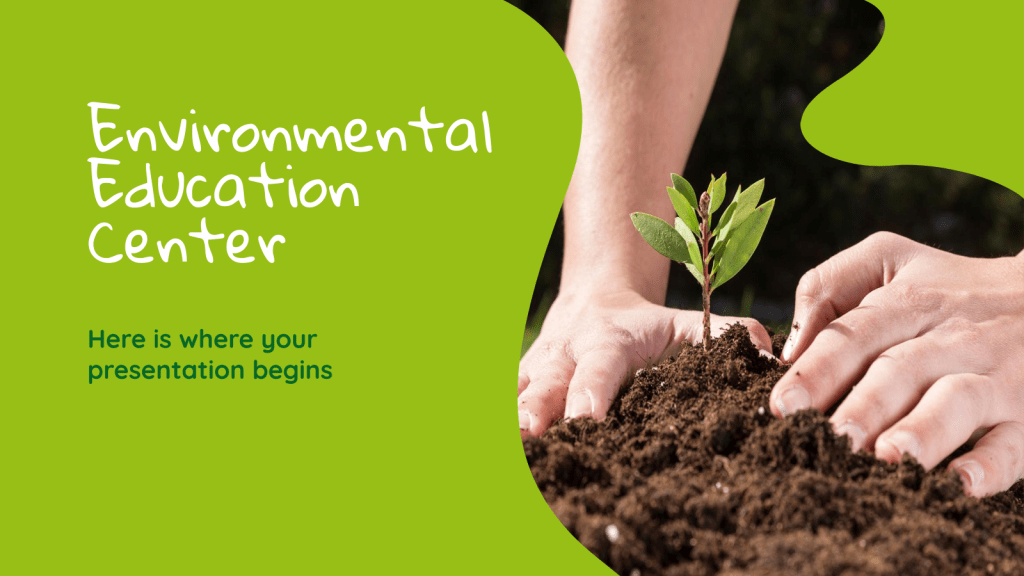
Another approach is through experiential learning where students engage in hands-on activities such as tree planting exercises or field trips to local parks or nature reserves where they can learn about different ecosystems first-hand from experts such as park rangers or conservationists. This approach enables students to appreciate nature’s beauty while also gaining insight into how fragile these ecosystems are when not conserved properly.
Integrating environmental education into alternative schooling and education programs has numerous benefits for both learners and society at large:
1) Develops critical thinking skills: Environmental education requires learners to evaluate complex environmental issues, consider different viewpoints and come up with practical solutions that address these issues. This process sharpens critical thinking skills that are essential for success in various fields.
2) Promotes active citizenship: Through environmental education, students learn about their roles as responsible citizens in promoting sustainable practices within their communities. They can use this knowledge to take action against environmental injustices or advocate for policy changes aimed at protecting the environment.
3) Fosters creativity and innovation: Environmental problems require innovative solutions that go beyond conventional approaches. By integrating environmental education into alternative schooling and education programs, learners develop a creative mindset that enables them to design new technologies or business models focused on sustainability.
4) Provides career opportunities: As more organizations embrace sustainable practices as part of their corporate social responsibility agenda, there is a growing demand for professionals with expertise in environmental management, conservation biology, renewable energy among others. By incorporating environmental education into alternative schooling and education programs, learners can prepare themselves for such careers.
5) Improves health outcomes: Environmental degradation has negative health impacts on people exposed to pollution or living in degraded ecosystems. By educating learners about the link between environment and health outcomes, they can make informed decisions about personal lifestyle choices such as diet or transportation options that promote better health outcomes.
Despite its benefits, integrating environmental education into alternative schooling and educational programs faces some challenges:
1) Limited resources: Alternative schools may have limited financial resources or access to experts who can provide experiential learning opportunities related to the environment.
2) Lack of standardized curriculum: Unlike traditional classrooms where there is a standardized curriculum across board requiring teachers only to follow guidelines provided by regulatory bodies; alternative schooling programs are often bespoke meaning it could be challenging establishing a standard curriculum which addresses all aspects of EE required across boards
3) Resistance from stakeholders – Parents/guardians may not see the importance of learning about climate change when compared with other subjects like mathematics or English language.
To overcome these challenges, alternative schools and educational programs can collaborate with local environmental organizations or government agencies to provide resources such as funding, expertise, or learning materials that support environmental education initiatives. They can also develop a standardized curriculum that addresses the core concepts of environmental education while still remaining true to their unique teaching approaches.
In conclusion, integrating environmental education into alternative schooling and educational programs is critical for equipping learners with knowledge and skills necessary to address pressing global issues related to climate change and other environmental challenges. Though there are some challenges associated with incorporating EE in non-traditional classrooms, it is imperative that educators work towards overcoming them because our planet’s future depends on it.
 Alternative Amie
Leave a comment