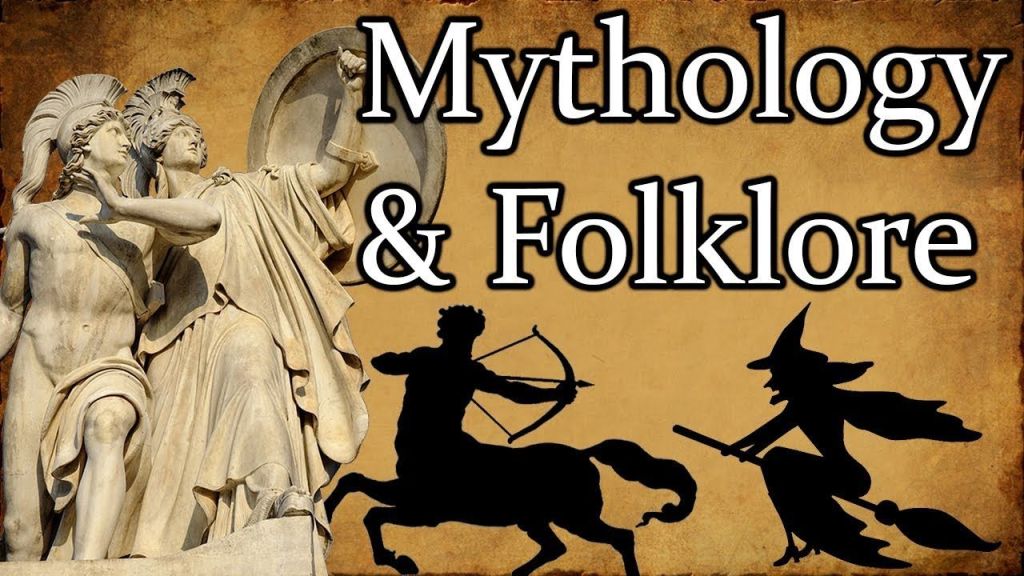
Mythology and Folklore Studies: A Guide for Alternative Learners
Mythology and folklore studies are fascinating disciplines that offer a window into the beliefs, values, and customs of different cultures. For alternative learners who are not bound by traditional academic structures, mythology and folklore studies can be an excellent way to explore the world’s diversity and deepen their understanding of humanity’s shared heritage.
What is Mythology?
Mythology refers to a collection of stories or myths that explain how the world came to be, why things are as they are, or how people should behave. Myths often feature gods, goddesses, demigods, heroes, monsters, and other supernatural beings. The term “myth” does not necessarily imply falsehood but may instead denote symbolic or allegorical meaning.
Some popular mythologies include Greek mythology (featuring Zeus, Athena, Apollo), Norse mythology (with Odin, Thor), Egyptian mythology (with Ra and Isis) among many others.
What is Folklore?
Folklore refers to traditional tales that reflect the beliefs and customs of a particular community. These tales can include legends (stories about historical figures or events), fairy tales (stories about magical beings such as fairies or witches), folktales (fictional stories passed down through generations). They often serve as entertainment but also provide moral teachings.
Some famous examples of folklore include Cinderella from Europe; Anansi from Africa; Panchatantra from India; Grimm’s Fairy Tales from Germany; 1001 Arabian Nights from Middle East among others.
Why Study Mythology And Folklore?
Studying mythology and folklore can open up new avenues for learning about history in engaging ways. It offers students an opportunity to explore cultural differences while still recognizing common human experiences. Through studying these subjects one can learn more than facts – it helps develop critical thinking skills by analyzing stories in context with social issues like class struggle & gender inequality which have been present throughout the ages.
How to Study Mythology and Folklore?
For alternative learners, there are several ways to study mythology and folklore. Reading books by experts in these fields is one way. However, podcasts, audiobooks, documentaries, and movies can also be an excellent source of learning material.
Some good books include The Illustrated Encyclopedia of Greek Mythology by Arthur Cotterell; The Book of Yokai: Mysterious Creatures of Japanese Folklore by Michael Dylan Foster; Anansi Boys by Neil Gaiman among others.
Audiobook lovers might want to explore Mythos or Heroes from Stephen Fry which gives listeners a fun-filled journey through Greek mythology while exploring its impact on modern society.
Conclusion
Mythology and folklore studies offer an exciting opportunity for alternative learners to dive into fascinating stories that have shaped our worldviews over centuries past. These two subjects provide a unique perspective on human culture and history that can enrich anyone’s education as well as cultivate critical thinking skills while broadening their knowledge about different cultures worldwide.
 Alternative Amie
Leave a comment