Arts Education: The Importance of Creativity in Alternative Schooling
Alternative schooling is a unique approach to education that emphasizes personalized learning, self-discovery, and creativity. With alternative schools becoming increasingly popular, it’s important to understand the role that arts education plays in this form of education.
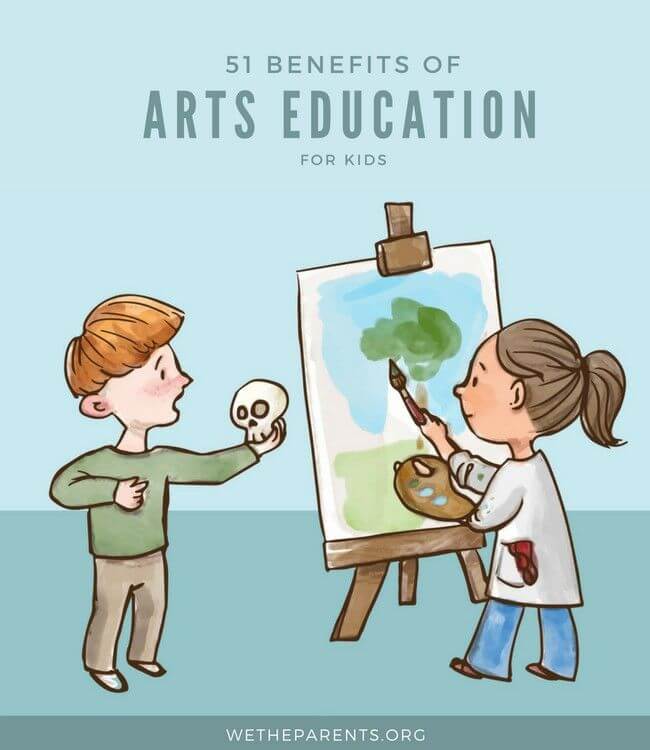
Arts education encompasses a wide range of disciplines including music, theatre, dance, visual art, and more. It’s an essential component of alternative schooling as it fosters creativity and critical thinking skills that are vital for success in today’s rapidly changing world.
Here are some reasons why arts education is so important for students attending alternative schools:
1. Encourages Creative Thinking
One of the primary goals of alternative schooling is to encourage creative thinking among students. Arts education helps achieve this goal by providing an outlet for self-expression and encouraging experimentation with different forms of art.
Through artistic expression, students can explore their individuality while also developing critical-thinking skills such as problem-solving and decision-making. This type of thinking encourages lifelong learning as well as adaptability which will serve them well both academically and professionally.
2. Enhances Cognitive Development
Research has shown that arts education can enhance cognitive development by improving memory retention, attention span, spatial awareness amongst other cognitive abilities. These skills are critical not only for academic success but also for everyday life outside school.
Moreover, arts education has been shown to be effective in promoting interdisciplinary learning – where information from various subjects is connected creating more meaningful educational experiences than traditional teaching methods provide.
3. Cultivates Emotional Intelligence
Emotional intelligence (EI) refers to the capacity to recognize one’s emotions along with those around us accurately; we can express ourselves properly or navigate difficult social situations effectively through empathy or compassion towards others’ feelings.
Artistic expression provides an avenue through which children can develop emotional intelligence skills like empathy when they create something based on how they feel or what they see around them allowing them to better understand others and their emotions.
4. Develops Social Skills
Arts education encourages collaboration, interaction, and communication among students in alternative schools. When working on a creative project together, each student can contribute their unique perspective, ideas or skills towards the final product culminating in a sense of accomplishment that promotes teamwork.
These collaborative experiences help develop social skills such as empathy, active listening and problem-solving abilities while also fostering an appreciation for diversity amongst students from different backgrounds.
5. Boosts Self-Confidence
Artistic expression provides an avenue for children to explore their creativity without fear of judgment or criticism; it promotes self-esteem by allowing them to take risks with their art projects and experiment with new forms of expression.
This newfound confidence gained through arts education carries over into other aspects of life outside school – helping students become more confident learners who are not afraid to question norms or challenge themselves creatively.
In conclusion, Arts education is vital for alternative schooling because it fosters creativity, enhances cognitive development, cultivates emotional intelligence skills like empathy and compassion towards others’ feelings while developing social skills such as teamwork and active listening abilities. It boosts self-confidence by providing an outlet where children can express themselves freely without fear of criticism or judgment leading them down paths they may never have explored otherwise. Alternative schooling must embrace the importance of arts education if they want to prepare students adequately for success in today’s rapidly changing world by creating meaningful educational experiences that will serve them well academically and professionally regardless of what fields they choose to pursue later on in life.
 Alternative Amie
Leave a comment