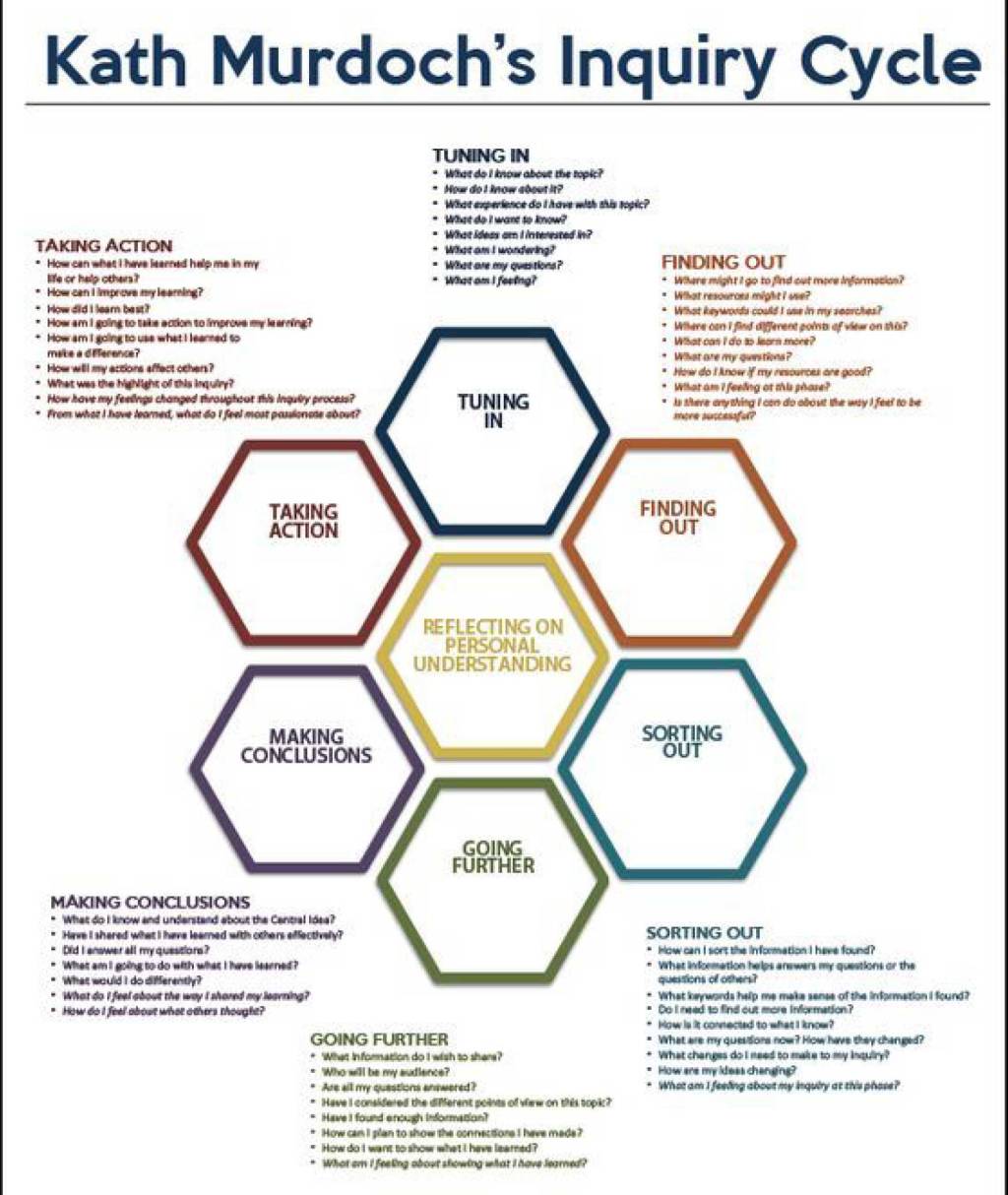
Inquiry-based learning is a teaching and learning approach that focuses on the student’s curiosity. It encourages students to ask questions, explore topics, and find answers through research and experimentation. This method of education is gaining popularity in alternative schooling and education systems as more educators recognize its effectiveness in developing critical thinking skills and fostering lifelong learning.
To better understand inquiry-based learning, we invited several educators with experience implementing this approach to participate in a panel discussion. The following are their insights into this innovative method of teaching.
Panelist 1: “Inquiry-based learning creates an environment where students take charge of their own education. Instead of feeding them information, we encourage them to seek out answers themselves.”
Panelist 2: “It also teaches students how to think critically by asking questions that challenge their assumptions about a topic. This process helps develop problem-solving skills that can be applied outside the classroom.”
Panelist 3: “One significant benefit I have observed from using inquiry-based learning is that it helps students retain information better because they learn at their own pace and through methods that work best for them.”
This type of student-centered approach requires teachers who act as facilitators rather than experts. They support the learners’ exploration by providing guidance, encouragement, resources, feedback, and scaffolding when needed.
One significant advantage of inquiry-based learning is its flexibility in adapting curriculum content according to the needs and interests of each learner while meeting academic standards. Teachers can provide opportunities for individual or group projects that connect with real-world problems or issues relevant to student lives.
Another benefit is its potential for creating an inclusive classroom environment where all learners feel valued regardless of their gender identity, race/ethnicity, socio-economic status or religion.
However, implementing inquiry-based learning effectively requires careful planning on the teacher’s part. Educators need to create clear objectives for each lesson while allowing enough room for exploration within those parameters.
Teachers must also assess students’ understanding regularly to ensure that they are on track and provide guidance when needed. This assessment can take many forms, including formative assessments such as peer reviews, self-assessments or summative assessments such as tests.
In conclusion, inquiry-based learning is a powerful approach for alternative schooling and education systems. It fosters critical thinking skills, lifelong learning habits and provides opportunities for students to explore their interests while gaining academic expertise. While implementing this approach requires careful planning and support from teachers, the benefits it offers make it worth considering for any educator looking for innovative teaching methods.
 Alternative Amie
Leave a comment