Neurodiversity is a term used to describe the natural variation in human brains and nervous systems. It includes individuals with a wide range of cognitive abilities, learning styles, and sensory processing differences. Neurodivergent people are often gifted in unique ways that differ from typical learners.
Giftedness is not limited to those who perform well academically or have high IQ scores. Twice exceptional (2e) learners are neurodivergent individuals who exhibit exceptional talents alongside disabilities such as ADHD, dyslexia, or autism spectrum disorder (ASD). These students require specialized support to reach their full potential.
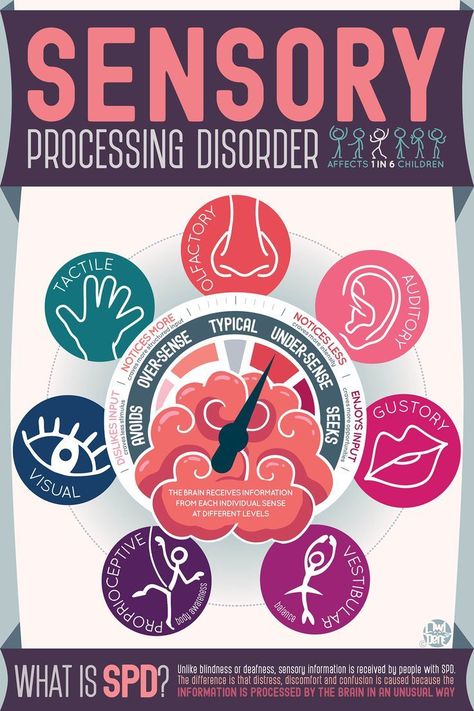
Sensory processing differences can also affect learning. Some students may be oversensitive to light, sound, touch, or taste while others may be under-responsive. These differences can impact a person’s ability to focus on tasks and engage in social interactions.
Executive functioning challenges can make it difficult for some individuals to organize their thoughts and plan ahead effectively. Nonverbal learning disabilities (NVLD) affect spatial reasoning skills and nonverbal communication but do not typically impact language abilities.
Autism spectrum disorder affects how people perceive the world around them and interact socially with others. Gender identity can also play a role in how autism presents itself differently across genders.
Neurodivergent parenting recognizes that parents themselves may be neurodivergent individuals facing unique challenges when raising children who share similar traits. Understanding your own neurotype as a parent is important when trying to best support your child.
Learning styles and preferences vary greatly among different types of learners. Some prefer visual aids while others prefer hands-on activities or auditory instruction. Social communication difficulties often arise for those with ASD making it challenging for them to understand social cues like body language or tone of voice which negatively impacts their social interactions with peers.
ADHD in the classroom can present issues such as distractibility, impulsivity, hyperactivity which then translate into difficulty completing tasks efficiently. Dyslexia is a learning disability that affects reading, writing, and spelling abilities which can be supported with the right instruction.
Anxiety often accompanies neurodivergent individuals due to heightened sensitivity to environmental factors or feeling overwhelmed in new situations. Assistive technology such as text-to-speech software or note-taking apps can help learners better manage their anxiety.
Emotional regulation strategies are crucial for neurodivergent learners who may struggle with emotional outbursts or hypersensitivity. Mindfulness practices such as deep breathing exercises, meditation, or yoga can help students learn how to better regulate their emotions.
Trauma-informed education recognizes that many neurodiverse students have experienced trauma in their lives and require specialized support from educators who understand the impact of trauma on learning. Differentiated instruction is also necessary for diverse learners since they have varied needs requiring individualized approaches tailored to each student’s strengths and challenges.
Universal Design for Learning (UDL) principles advocate for designing lessons that are accessible and engaging for all learners regardless of cognitive ability or learning style. Alternative assessments are also important so that every student has an opportunity to demonstrate what they have learned in ways that work best for them individually.
In conclusion, embracing neurodiversity means recognizing the unique talents and abilities of all individuals regardless of any differences they may exhibit compared to typical learners. By providing targeted support through differentiated instruction methods, assistive technology tools, mindfulness practices, trauma-informed education approaches we can ensure that everyone has an equal chance at success both inside and outside the classroom setting.
 Alternative Amie
Leave a comment